
Skiing with great friends and sightseeing and wine tasting and, importantly, avoiding crowds of tourists, in northern Italy.
Milano1
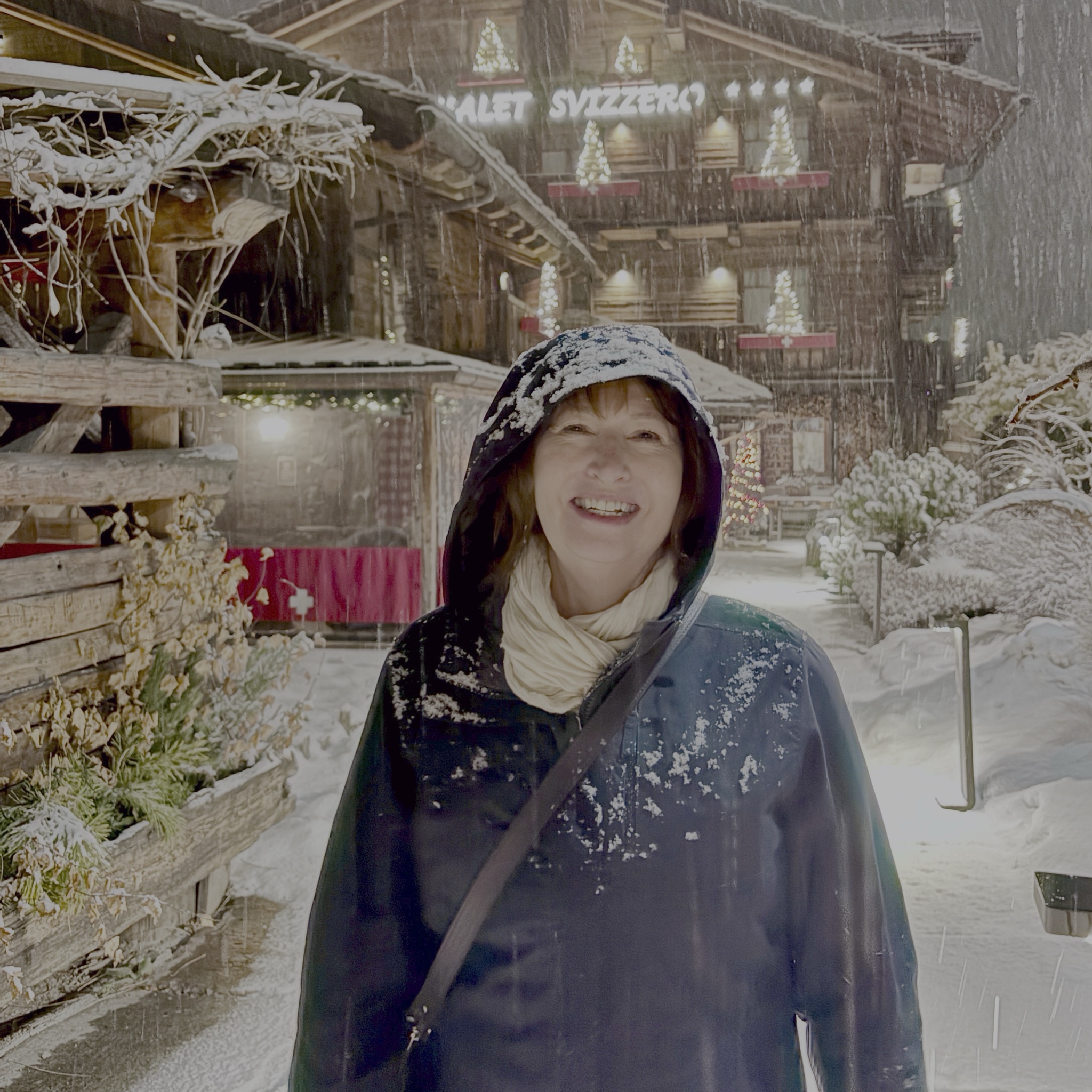
Courmayeur2




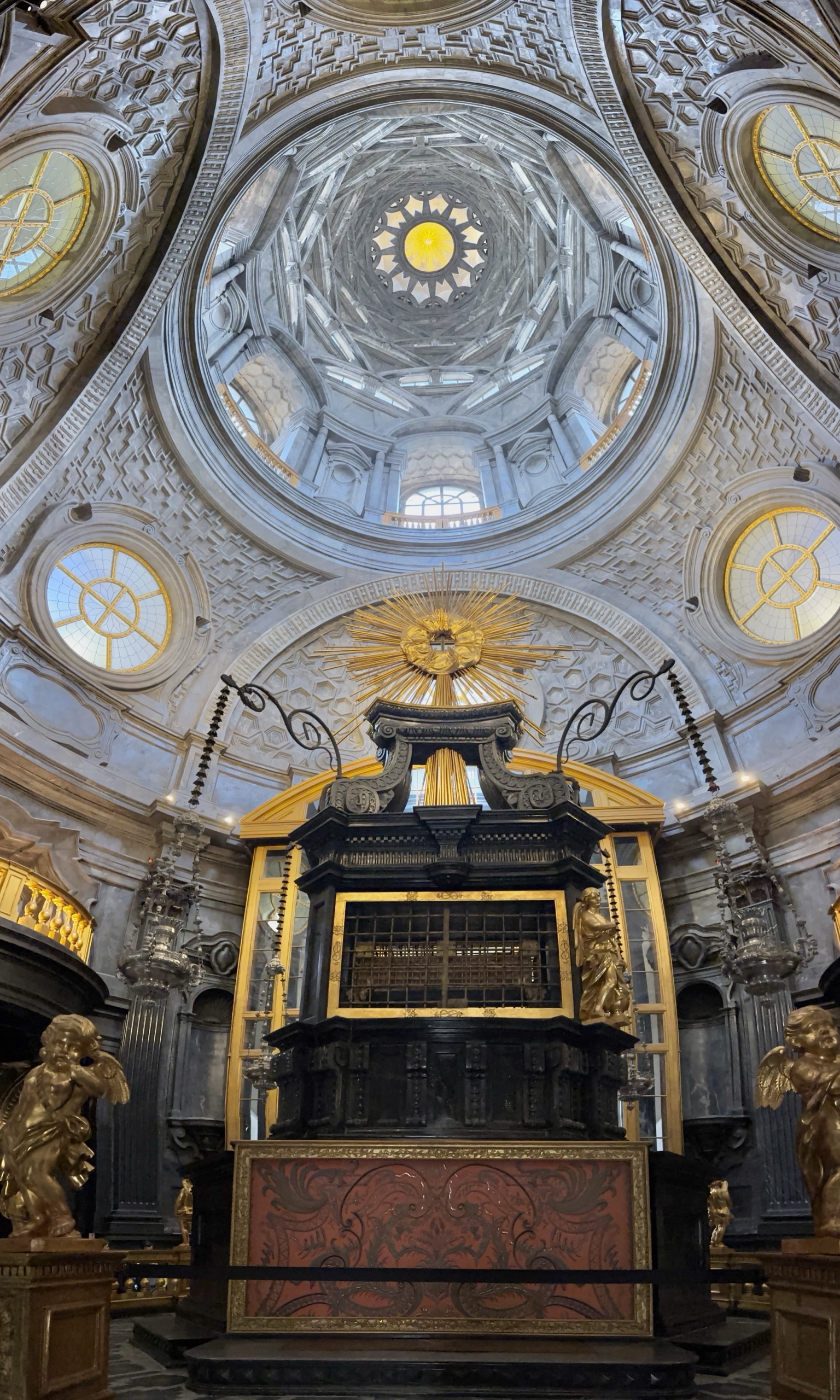
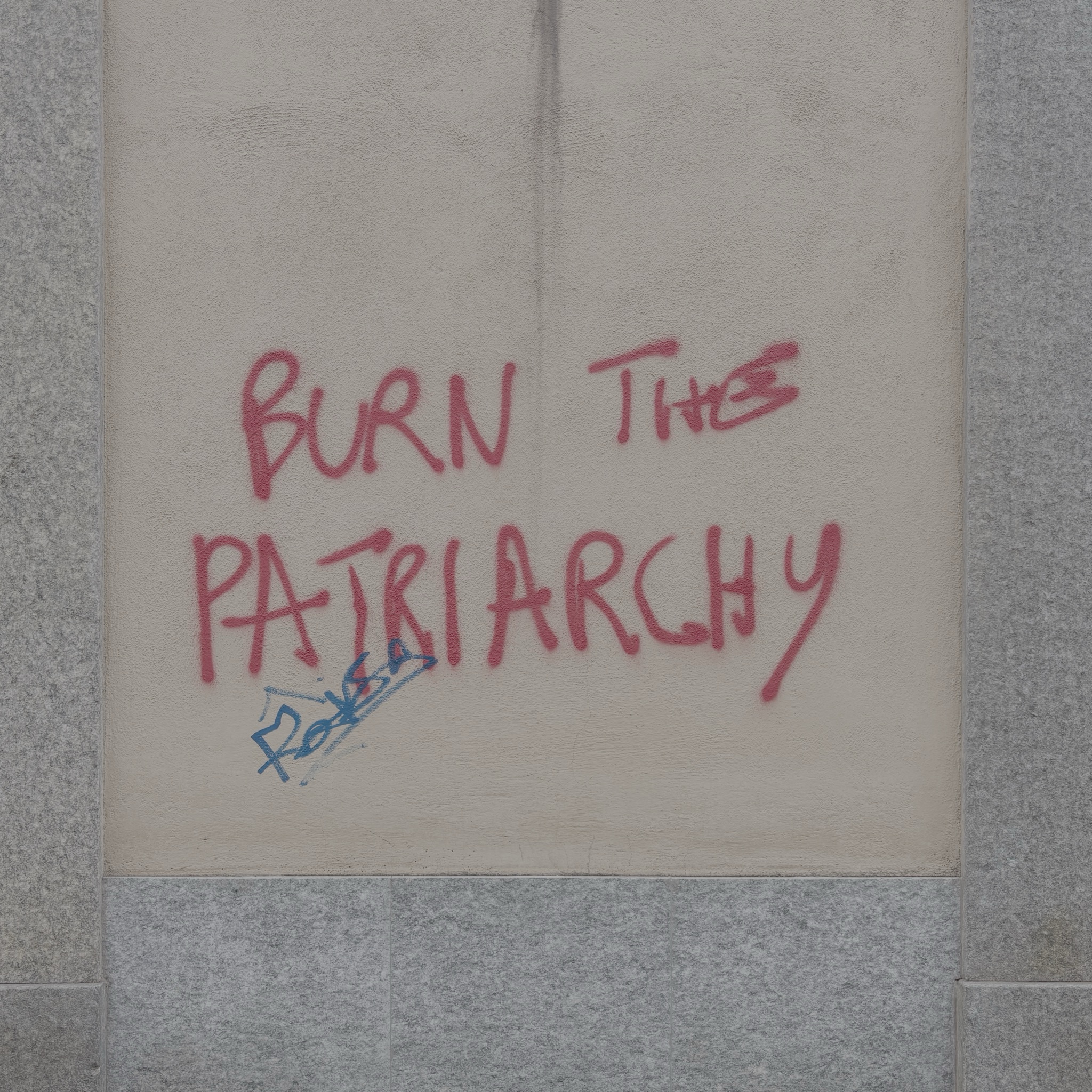
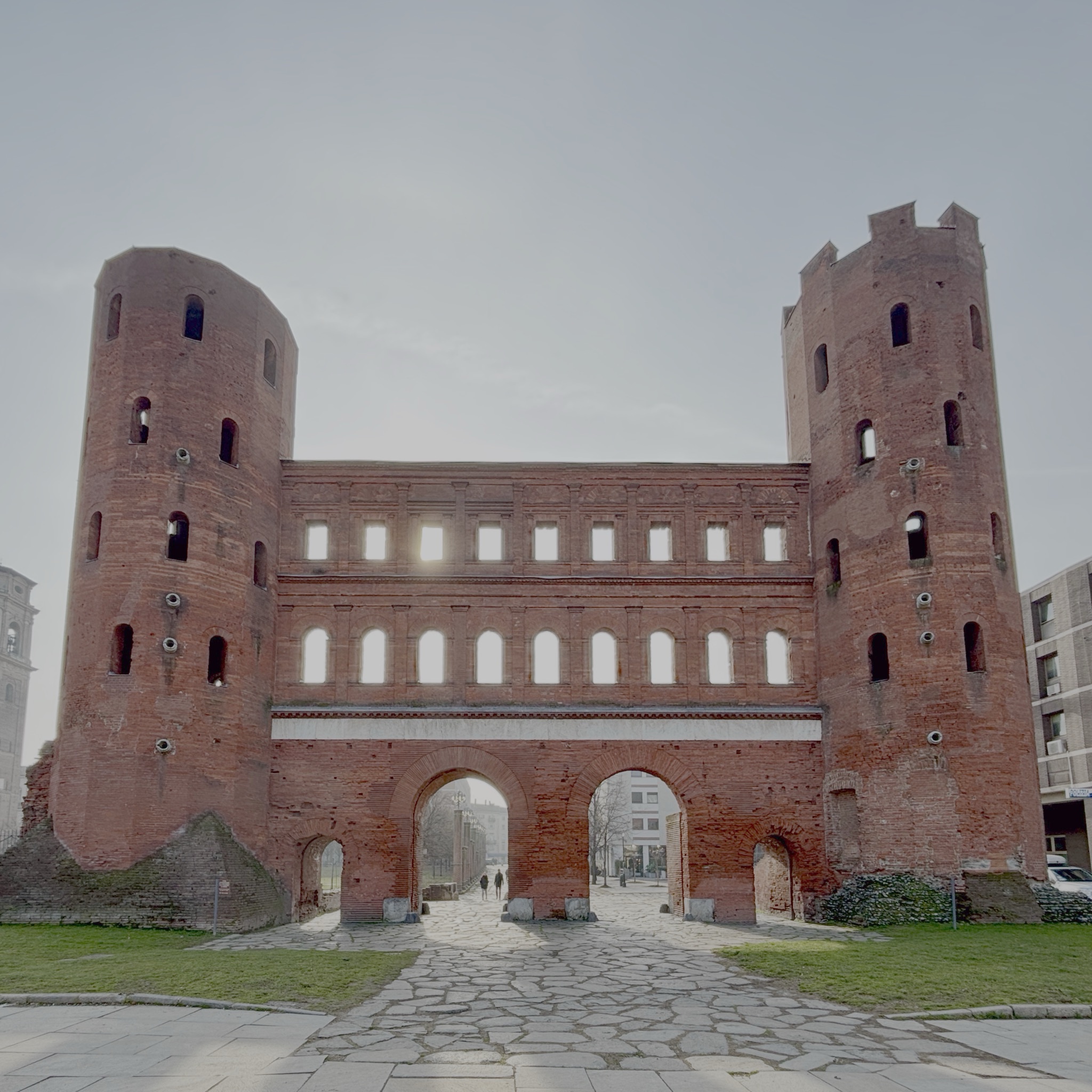
Turin3
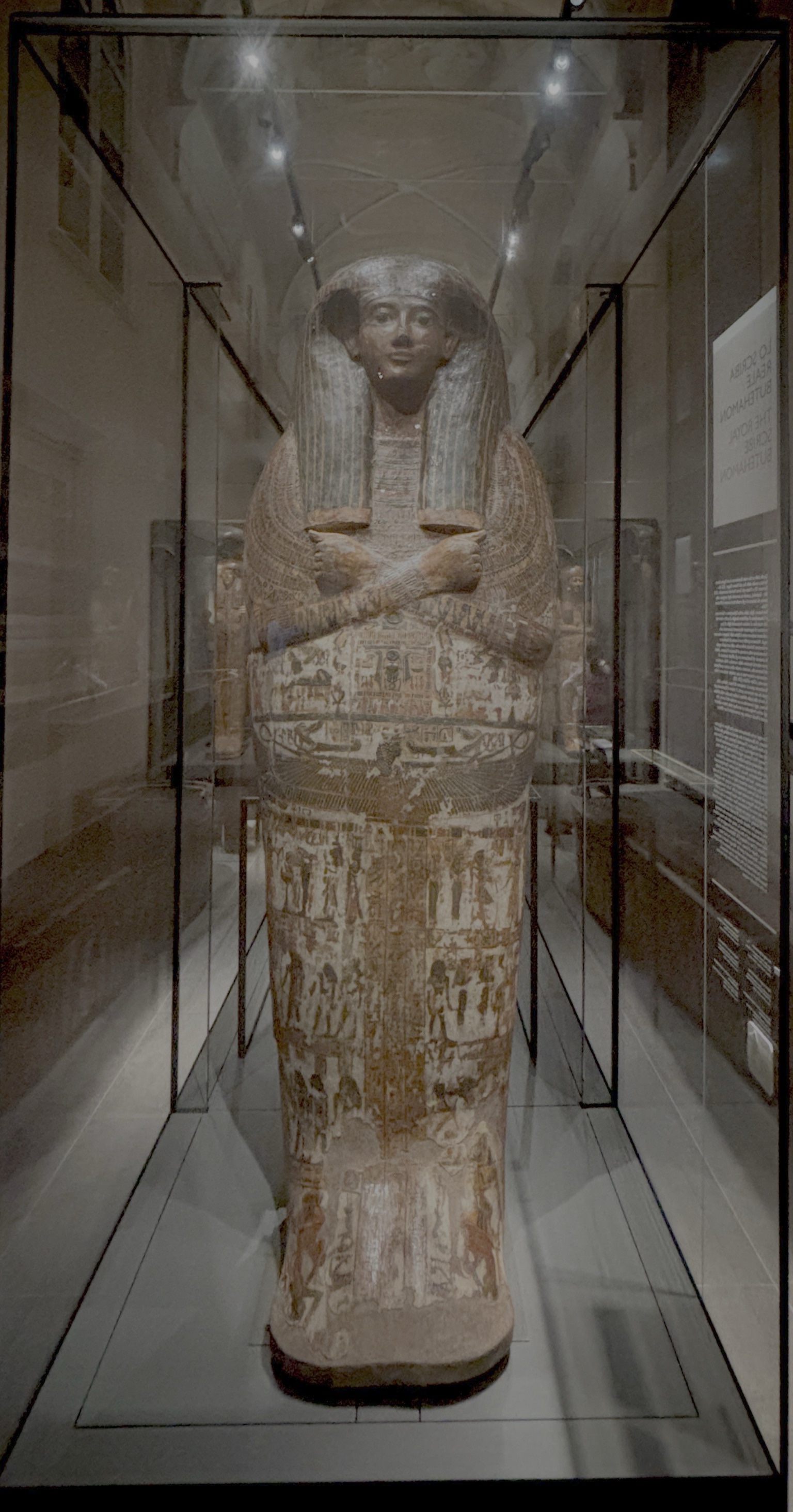
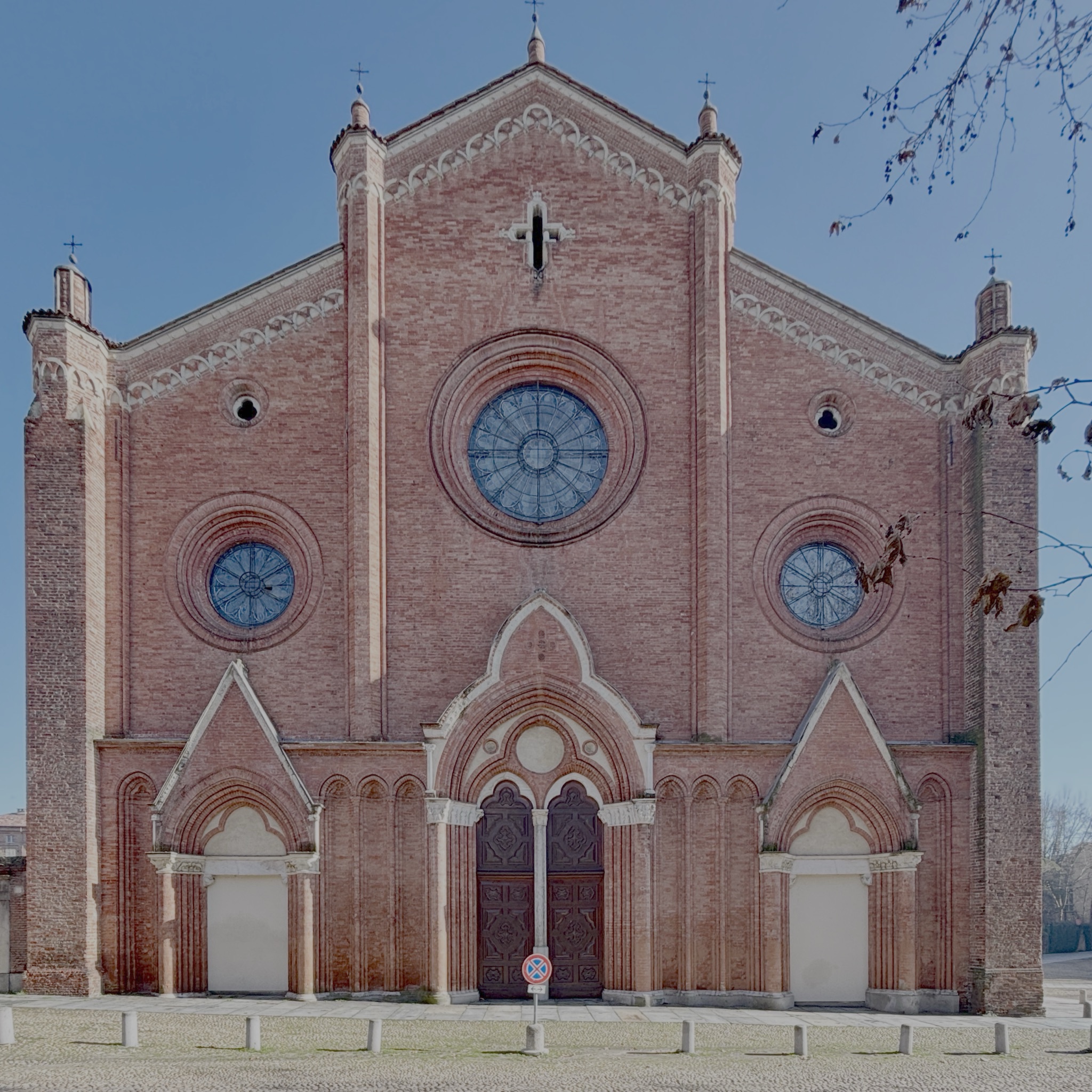
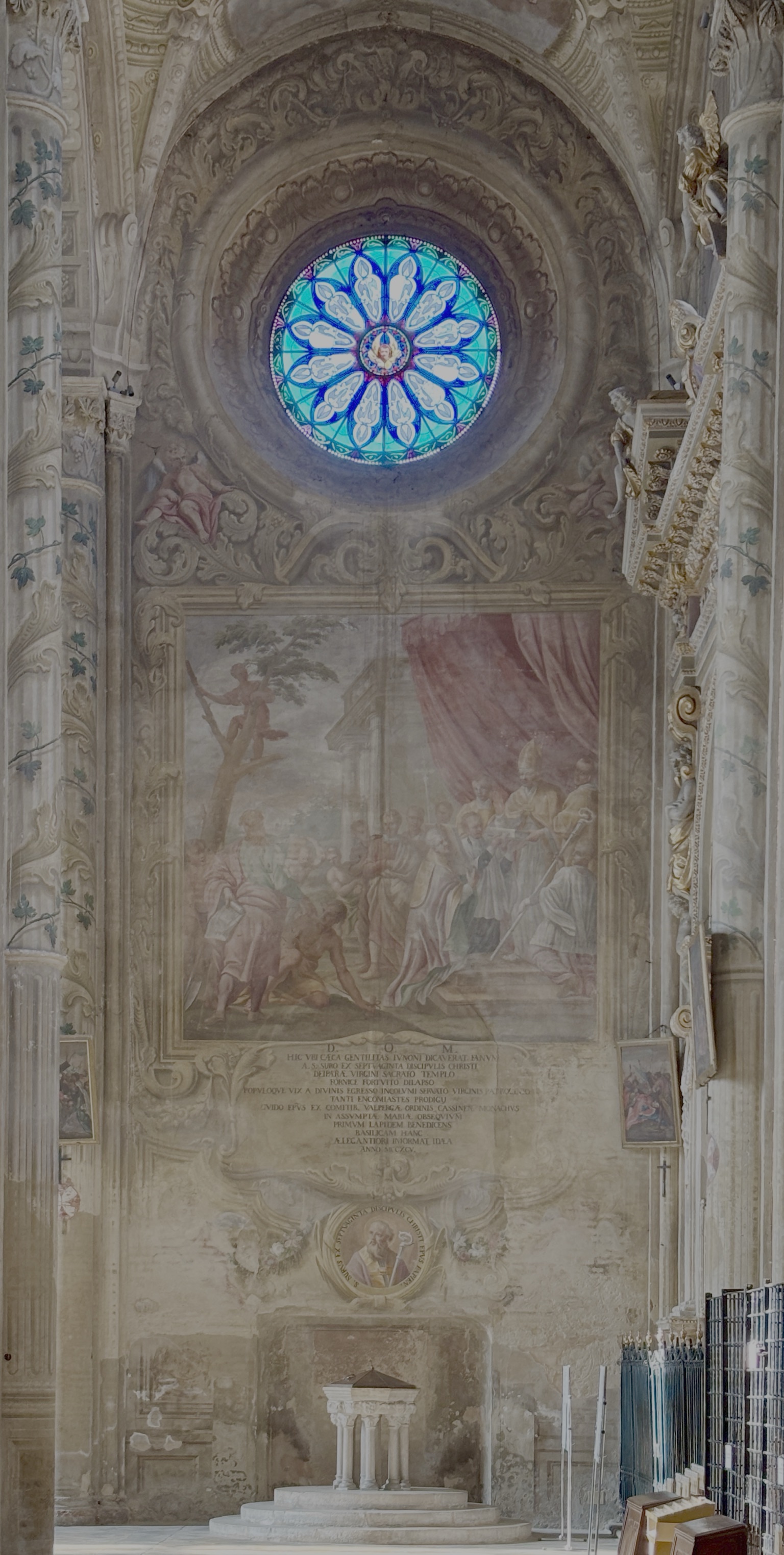
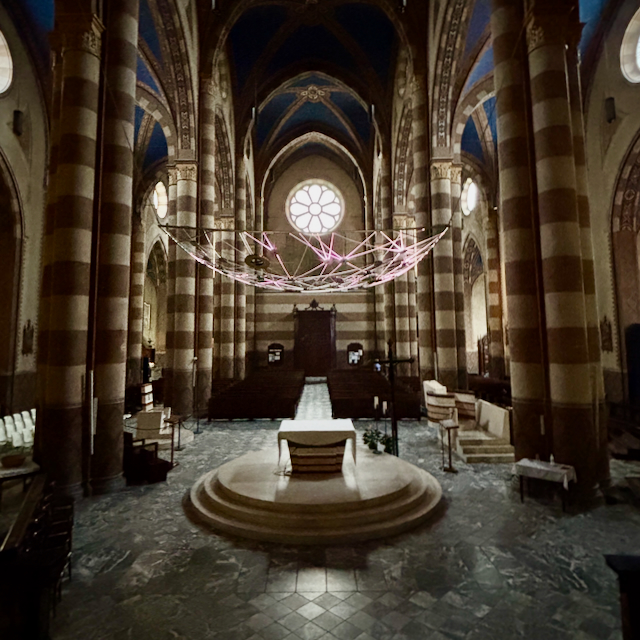
Piemonte4


Pop Quiz
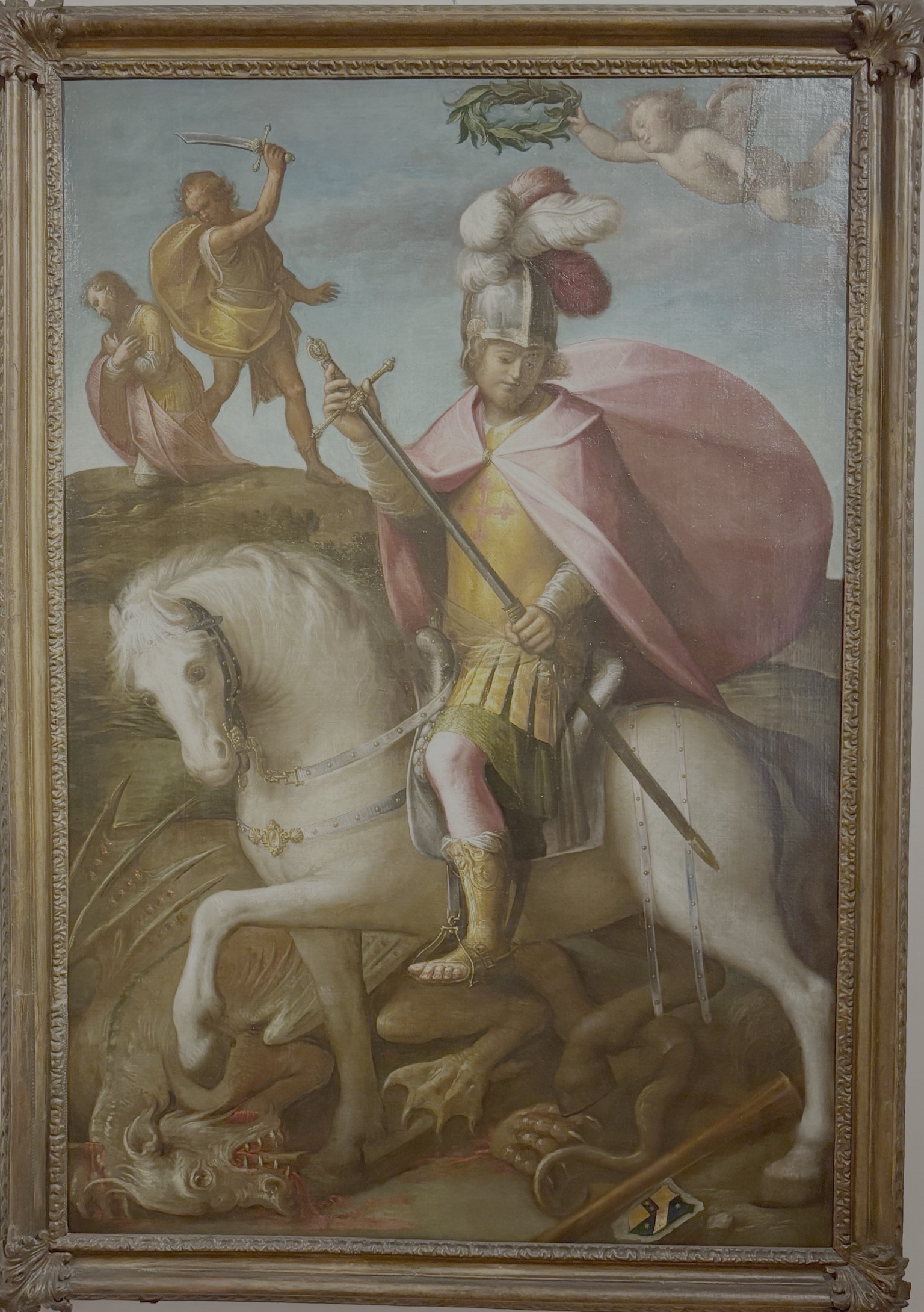
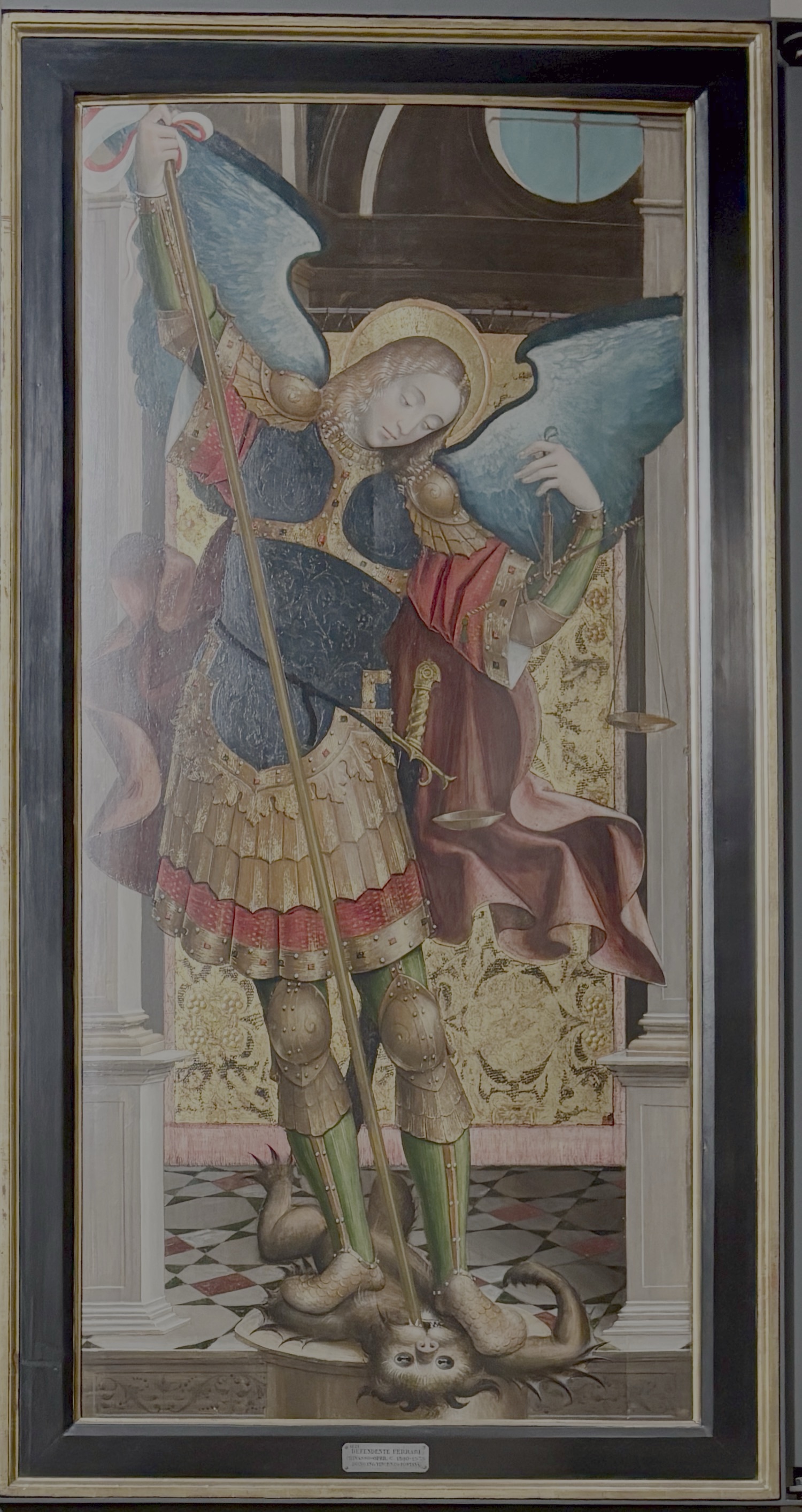
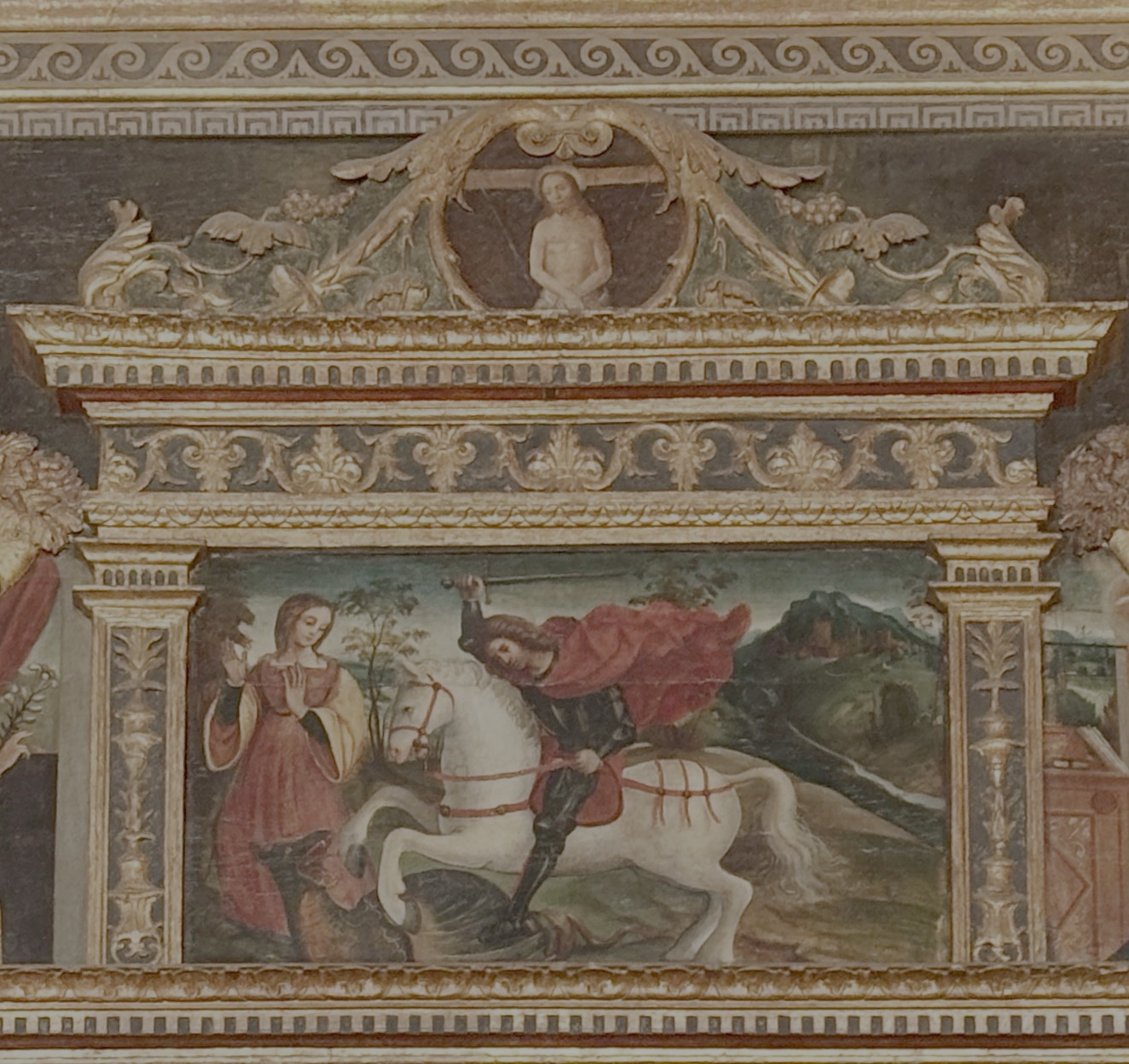
The pictures below are depictions5 of St. George, patron saint of England6 and slayer of dragons, and the Archangel Michael, warrior of God who casts Satan out of Heaven. Do you know which is which? [Click on the pictures to see the answers.]
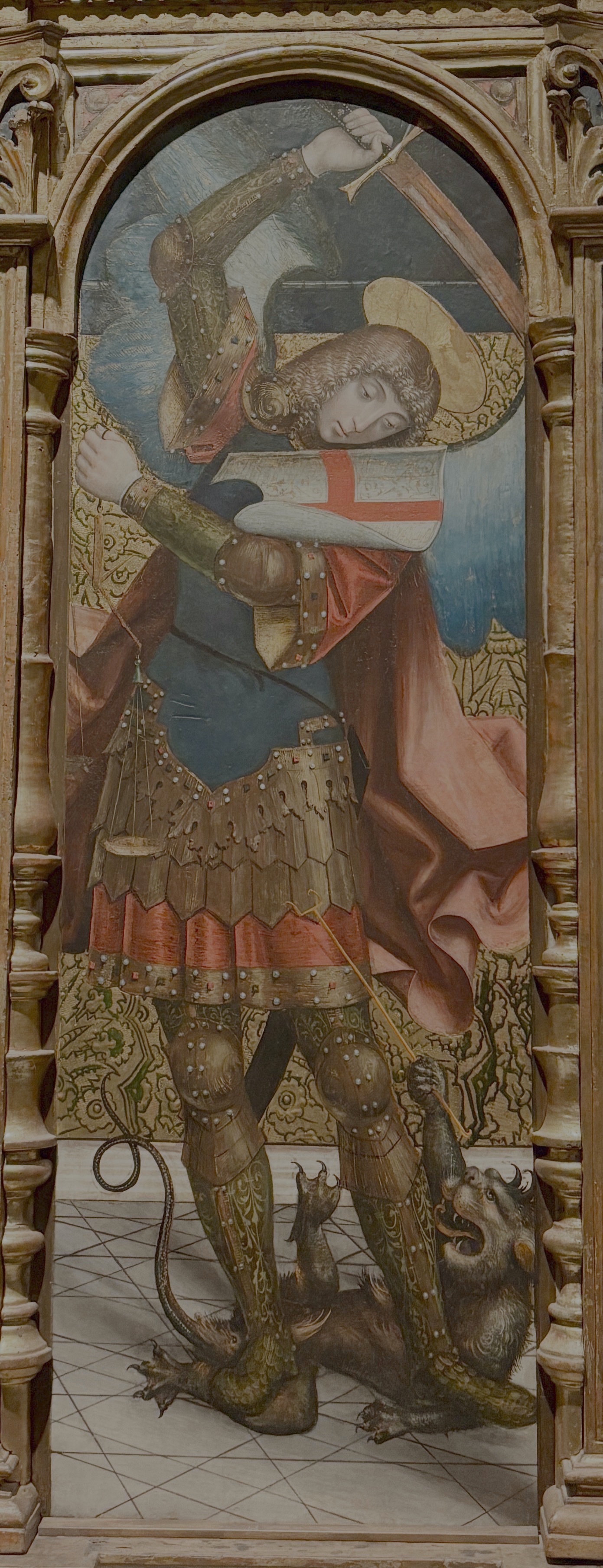
- We purposely scheduled our trip so that we were leaving Milano just as the Olympics were starting. Crowds are not our thing, at all. ↩︎
- Very much enjoyed the skiing. Courmayeur is not huge, but has lots of options for different types of skiing. We spent one day at La Thuile which was even better. ↩︎
- No, we didn’t see the “shroud” as it is only displayed on special occasions. I was somewhat surprised when our guide told us that it is still an open question whether it could actually be the burial shroud of JC. I thought that had been debunked decades ago. ↩︎
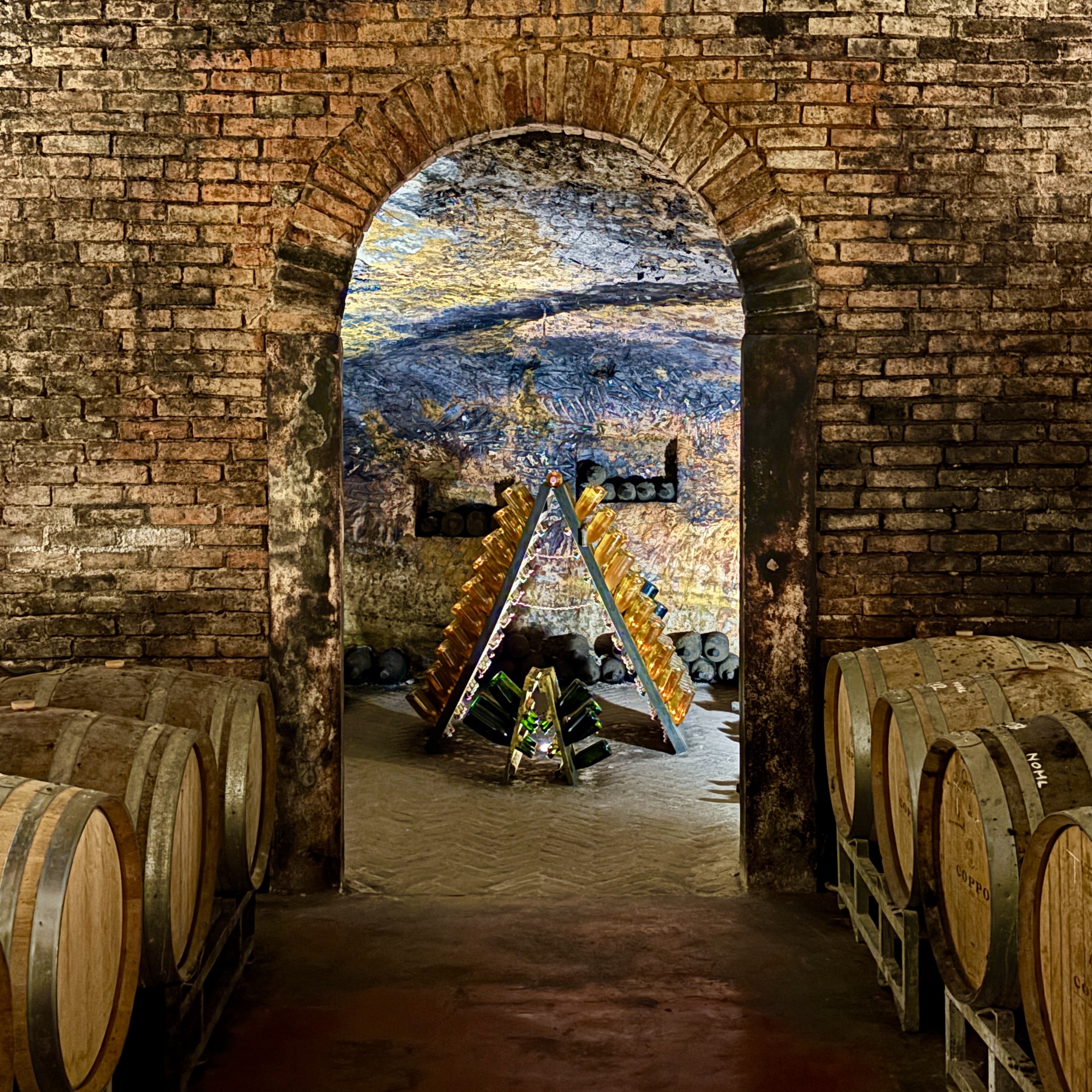
- We stayed in Alba, which has the greatest concentration of very good and affordable restaurants of any small town we have visited. ↩︎
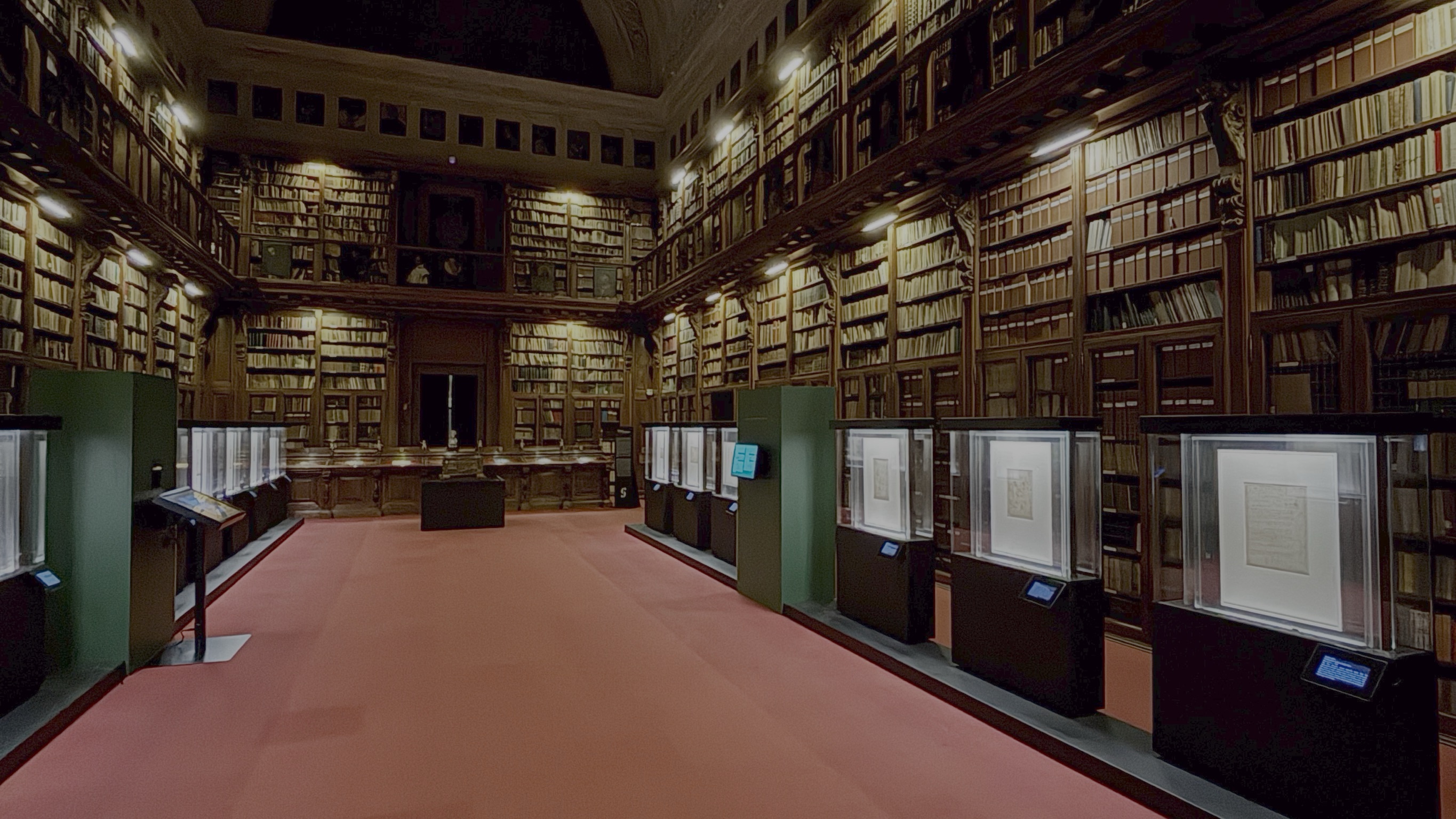
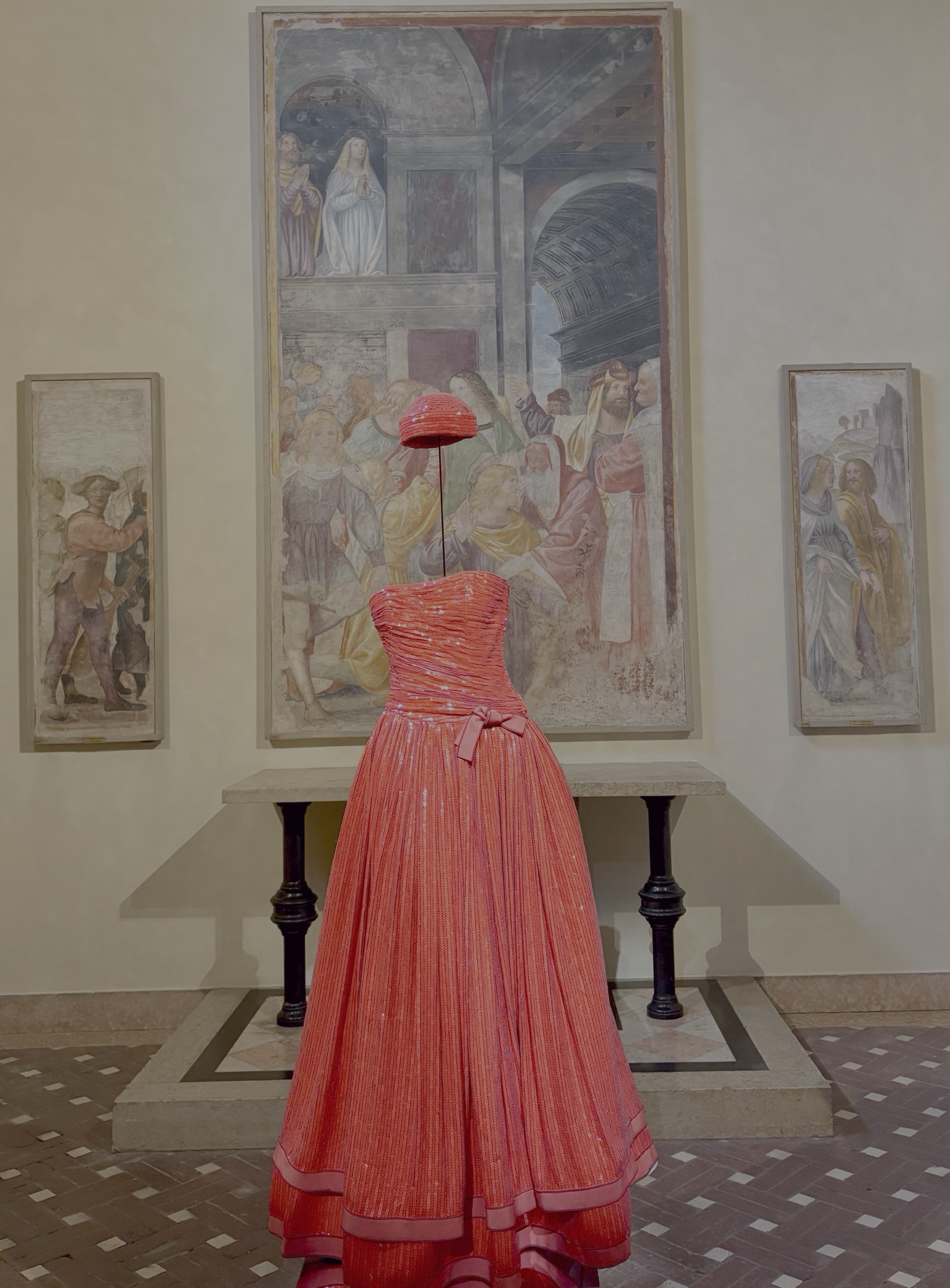
- I can honestly say that there was no-one with me in the galleries when I took these pictures. I mentioned previously that people taking pictures in busy galleries is incredibly annoying. Being alone with the art is one of the benefits of off-off-season tourism. ↩︎
- Everyone wants a piece of George. He is also the patron for Georgia, the country not the US state; Catalonia, Aragon, Barcelona and various other Spanish towns, Portugal, and their colony Brazil; Bulgaria; Moscow; Bosnia; Kosovo; Montenegro; and Serbia. For most of my life, I never doubted that George’s dragon slaying adventures took place on English soil, or at least that the myths were an invention of the Brits. That changed about a decade ago when we visited Croatia and came across a large statue of George and his dragon in an Istrian church. I was very confused: why did the Croats erect a statue of an English saint? Of course it turns out that he wasn’t English at all. He was an actual person, likely of Syrian and/or Cappadocian descent, and a member of the Praetorian guard for Roman emperor Diocletian. The facts of his life are uncertain and the history of his veneration as a saint is long and complex (dating back to the early 5th century). HIs association with and popularity in England likely happened as a result of crusaders bringing his stories back from the holy land, although he was certainly known in England before that time. ↩︎

Really enjoyed February’s update.
Thank you Wendy.