
This is the 4th and last post on our visit to Colombia. Here are the others: 1st, 2nd and 3rd.
Only one thing comes to most people’s minds when you say Medellín: Pablo Emilio Escobar Gaviria. This causes much grief to most Colombians. First – he has been dead for more than 30 years, and they don’t want to glorify him or perpetuate his horrific legacy. Second, the city of Medellín has lots going for it: in the past years it has won prizes like the Urban Land Institute’s “most innovative city in the world” award, and others.
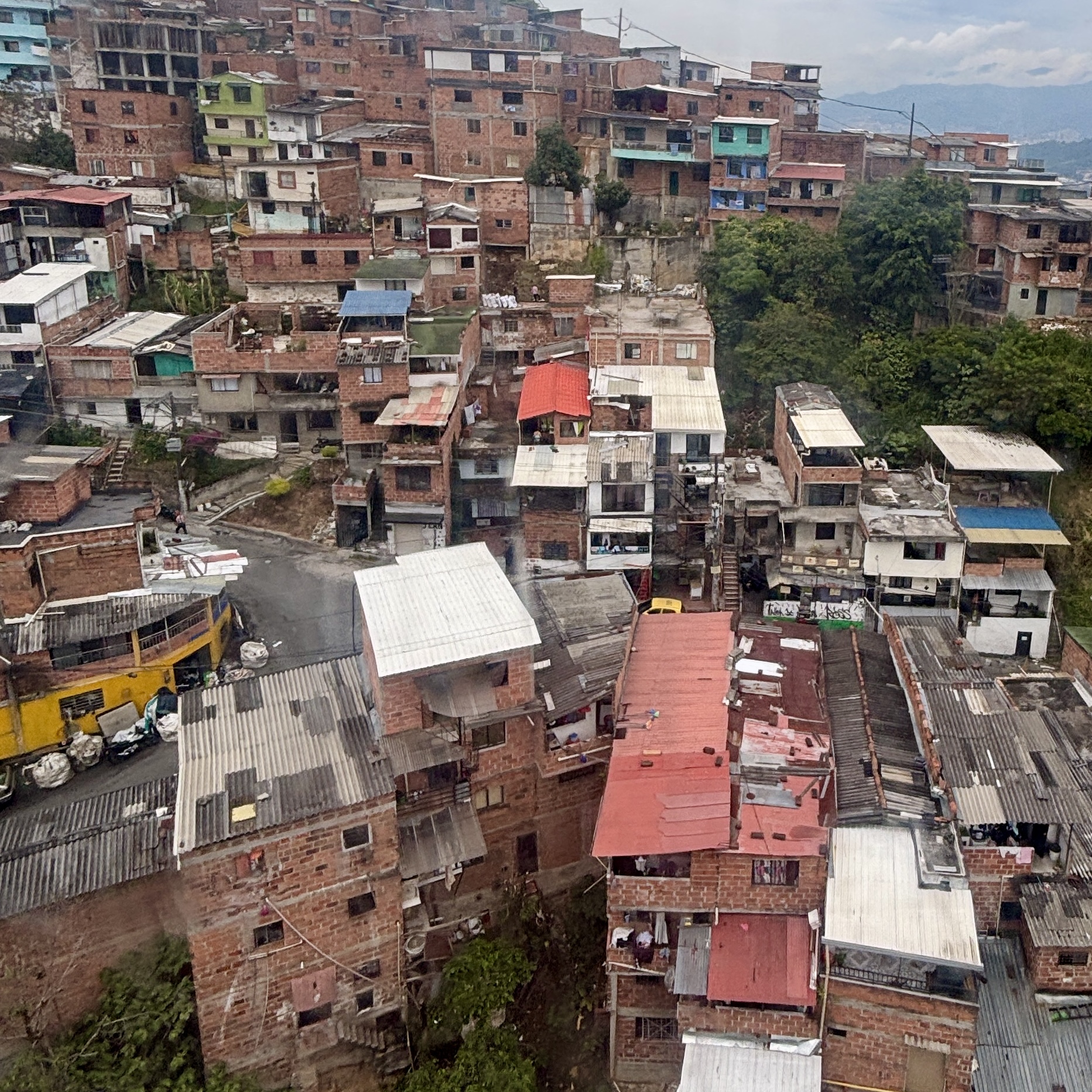
Our guide in Medellín was Lina, and she introduced us to Davide, a community organizer in the Santo Domingo neighbourhood. It’s one of the areas that was settled by refugees from the FARC and paramllitary violence in the late 20th century. Per Wikipedia, it was once one of the most dangerous of Medellín’s barrios, and in the early 2000’s, no-one was allowed on the street after 5pm.
It is very different now. A cable car connects it to the transit system, allowing residents to get to and from their jobs with ease. It is still quite poor, but just feels like a busy neighbourhood in any big city. As we walked through the neighbourhood, there were a few people looking for money, but that happens near our home in Toronto too, We never felt unsafe during our visit.
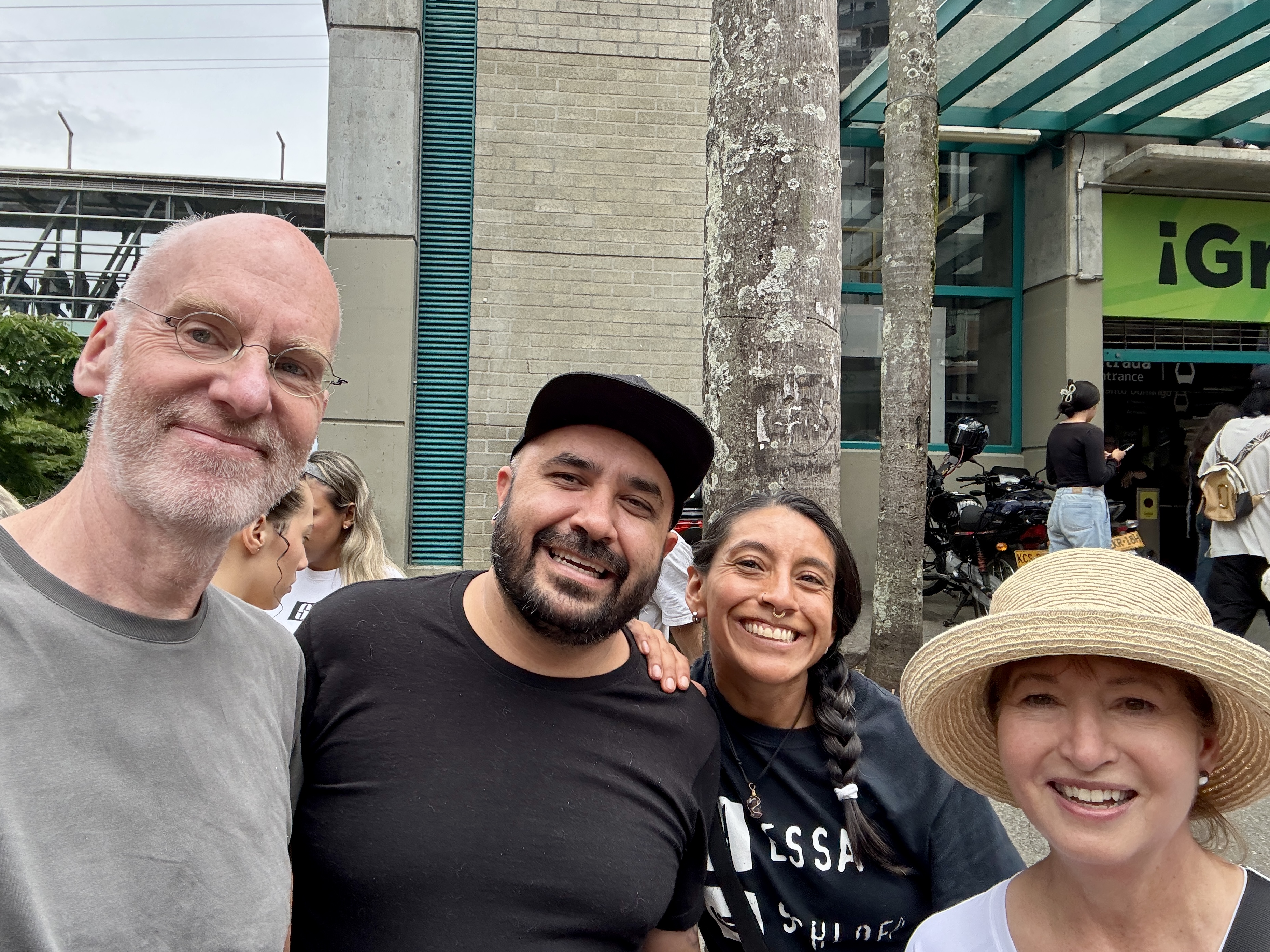
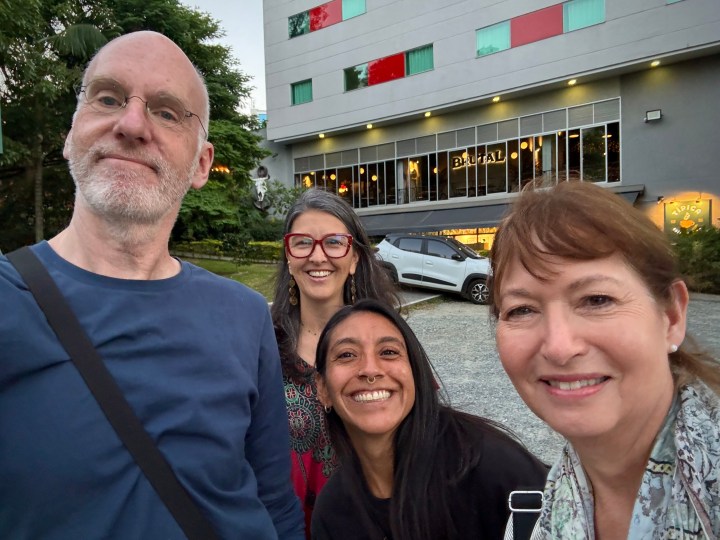
Later, Lina took us to the Casa de Memoria, which attempts to come to grips with the country’s tragic history from the period they call La Violencia, beginning in 1948, up to the peace arrangement with FARC in 2016. The next day, she introduced us to Cathalina Sanchez, who previously worked as the director of the Casa, and now works as a consultant on projects aimed to improve trust and memory in Colombian communities. She was very patient with us, and really helped us develop a deeper understanding of Colombia’s brutal history.
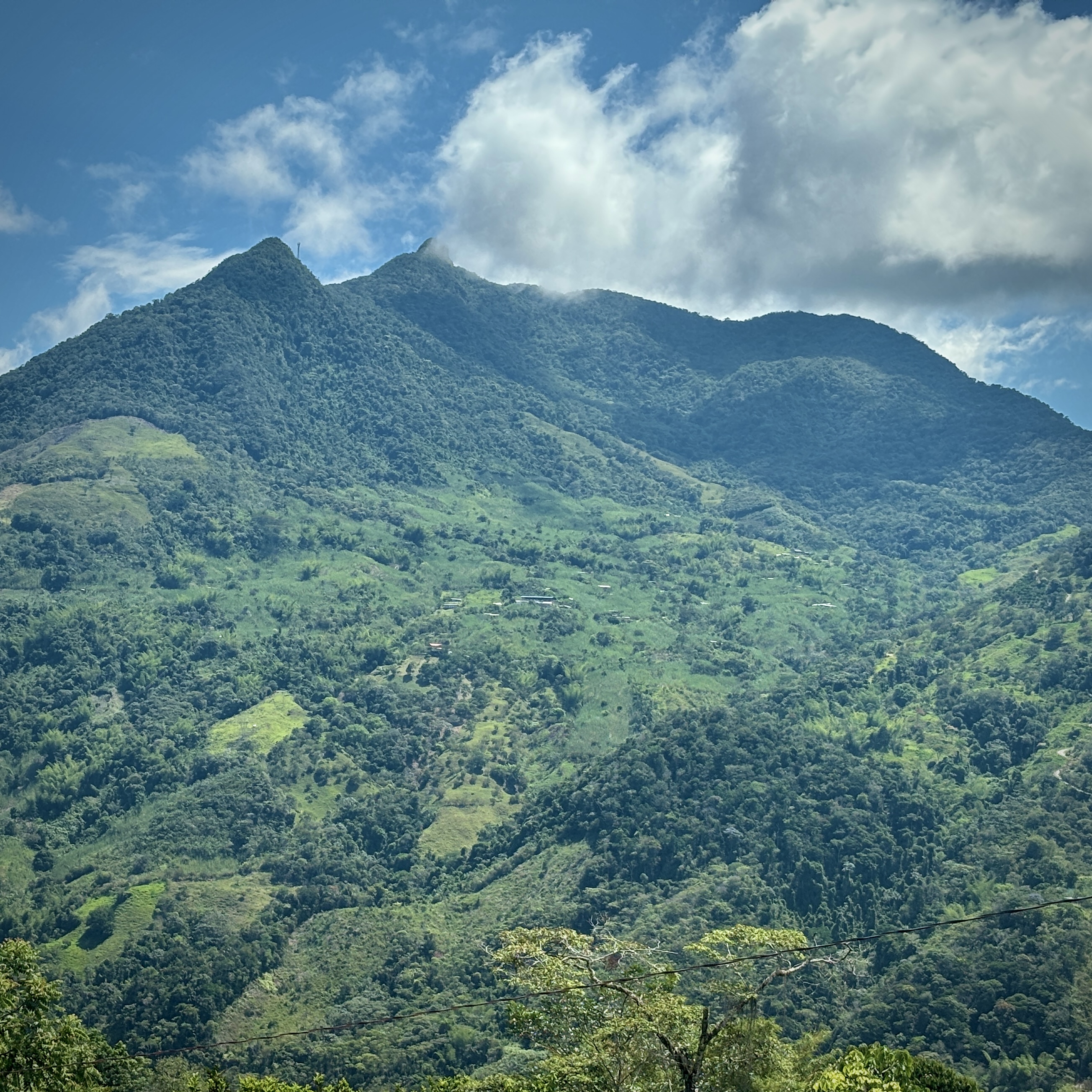
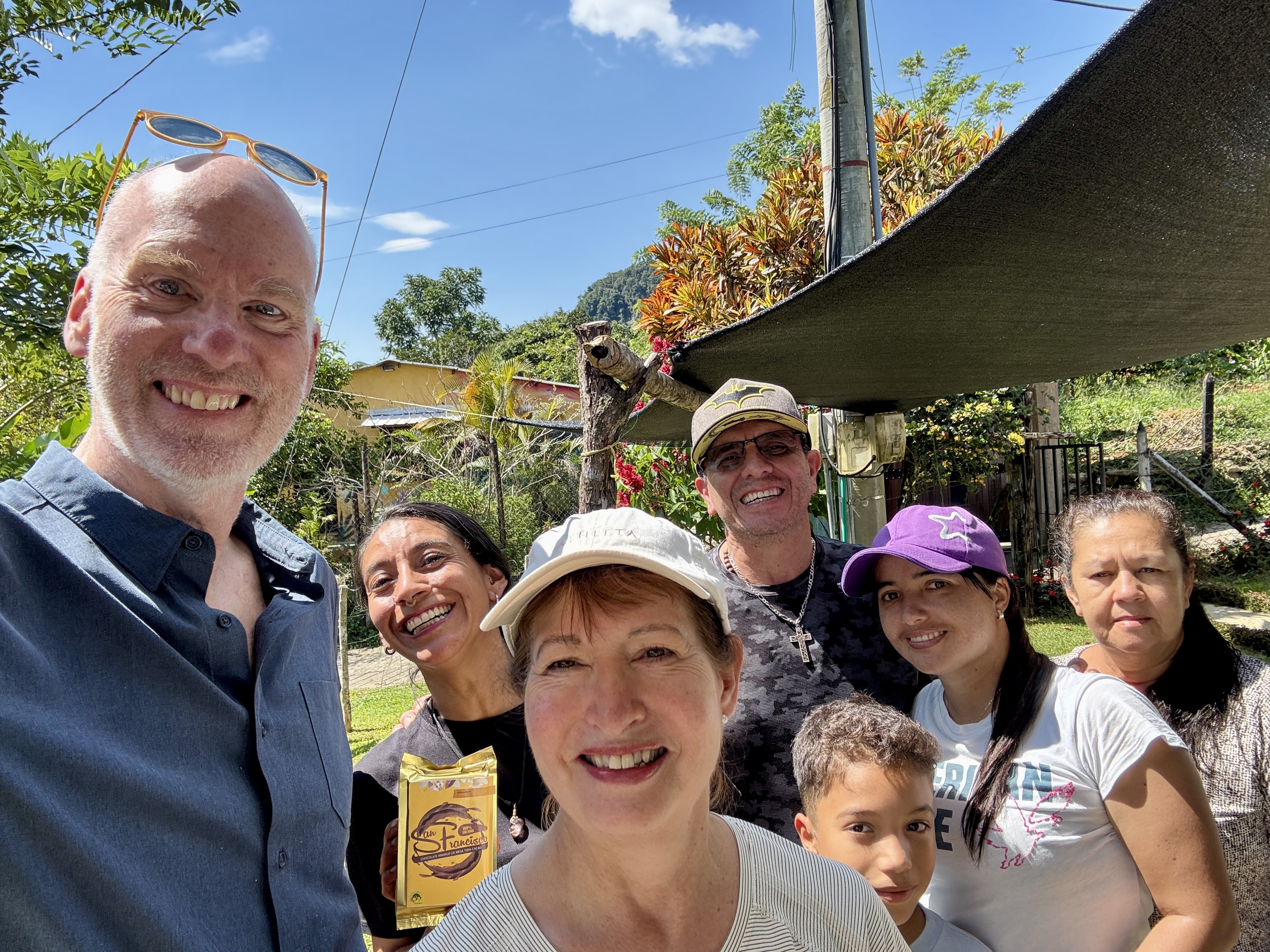
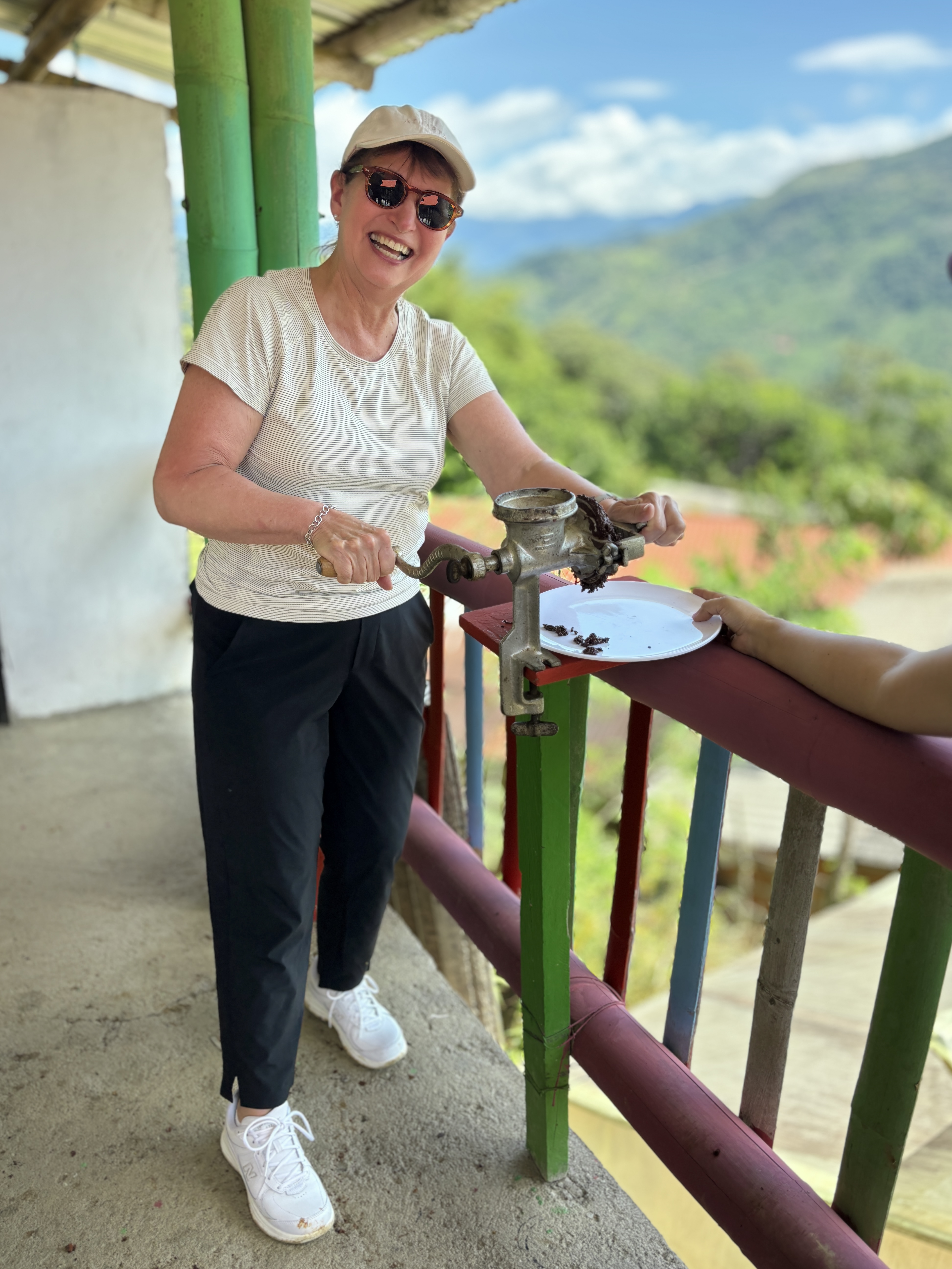
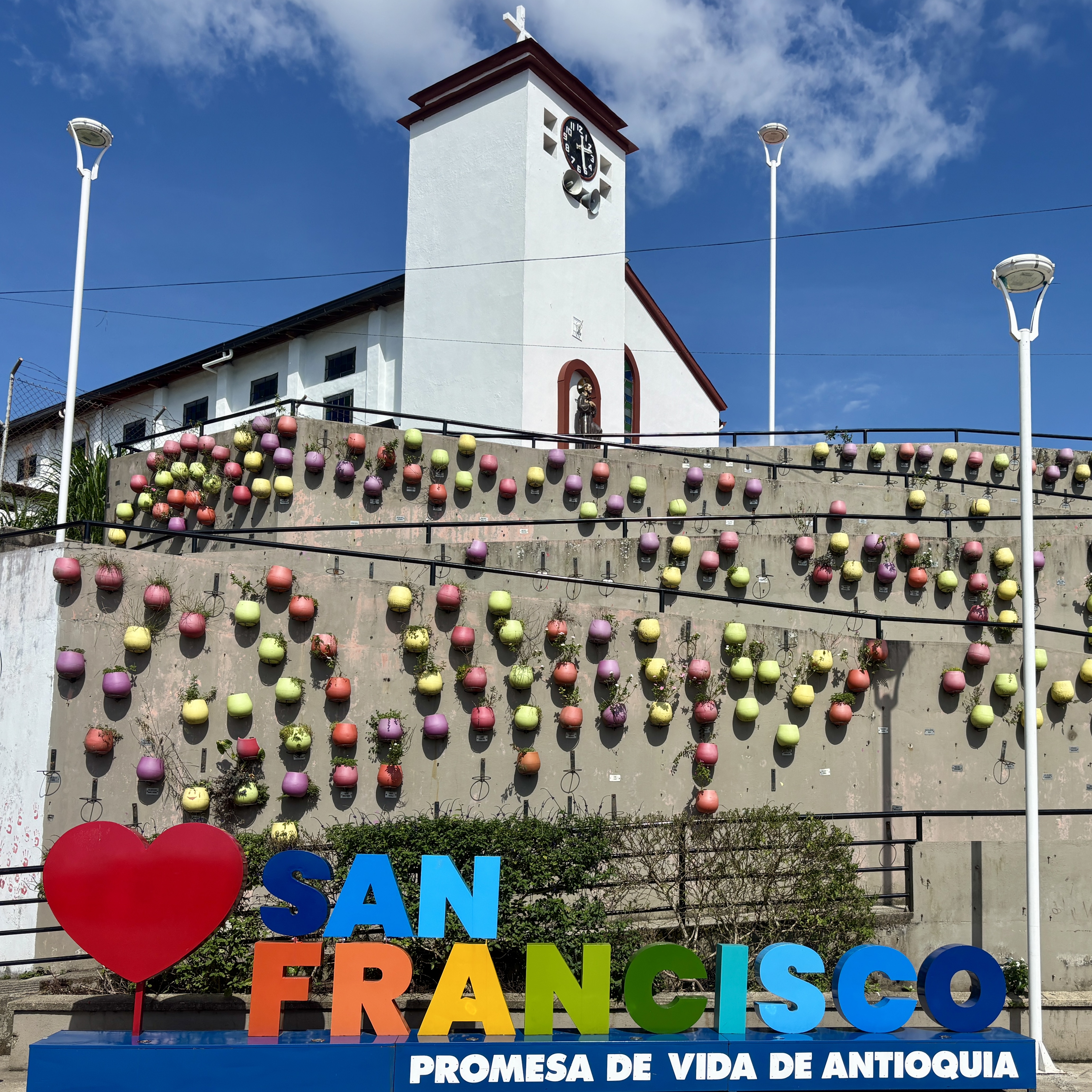
The next day, we saw a different aspect of the legacy. We visited Marguerite on her cacao farm near the town of San Fransisco, which, along with the surrounding countryside, had once been subject to regular bombings and terrorization by FARC. The guerrillas forced farmers to grow coca, which they processed into cocaine.
After the peace agreement, the government was able to remove the coca crops and, a few years ago, they gave Marguerite a small plot of land as reparations for her displacement. NGOs provided training and supplies to get the cacao farm up and running. It seems to be working out for her as there are now about 17 people living on the property and working in the area.
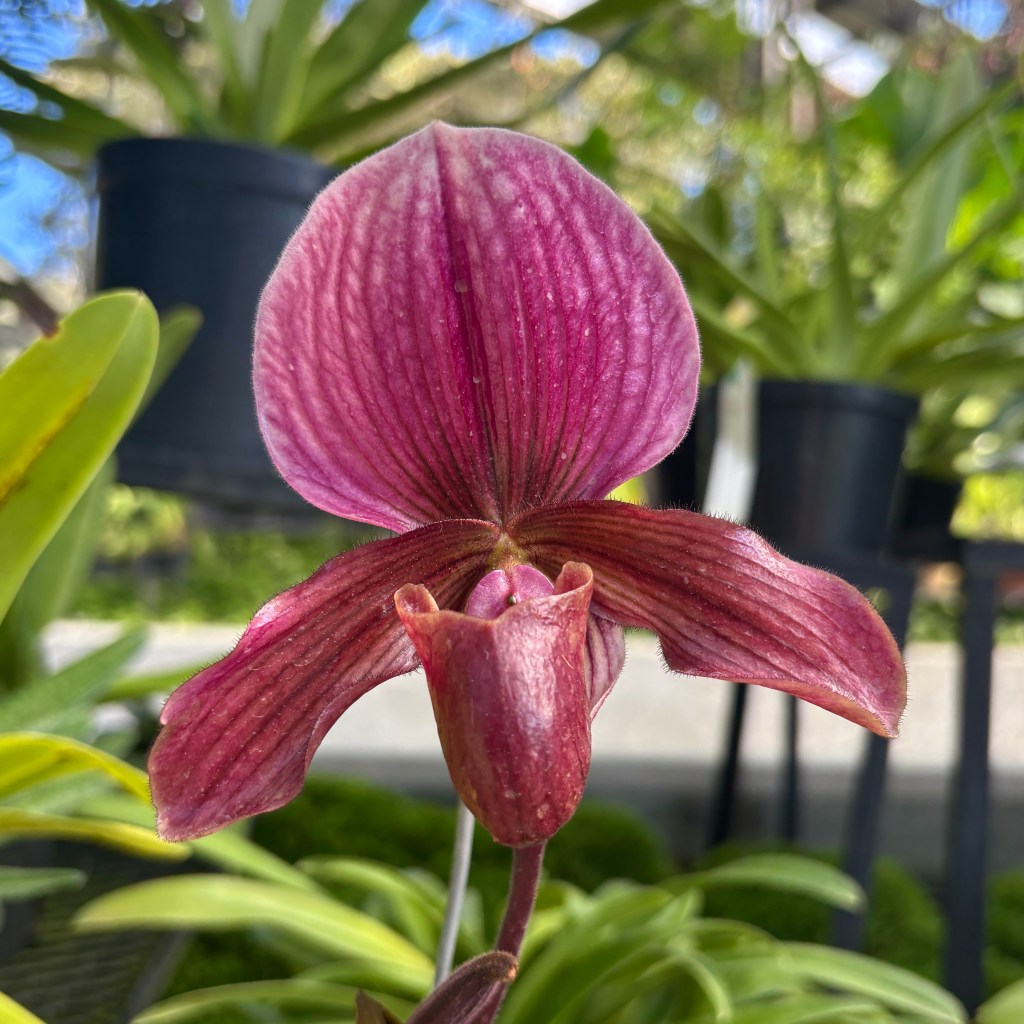
We also visited an orchid farm, and after that we came home. Here are some orchids.


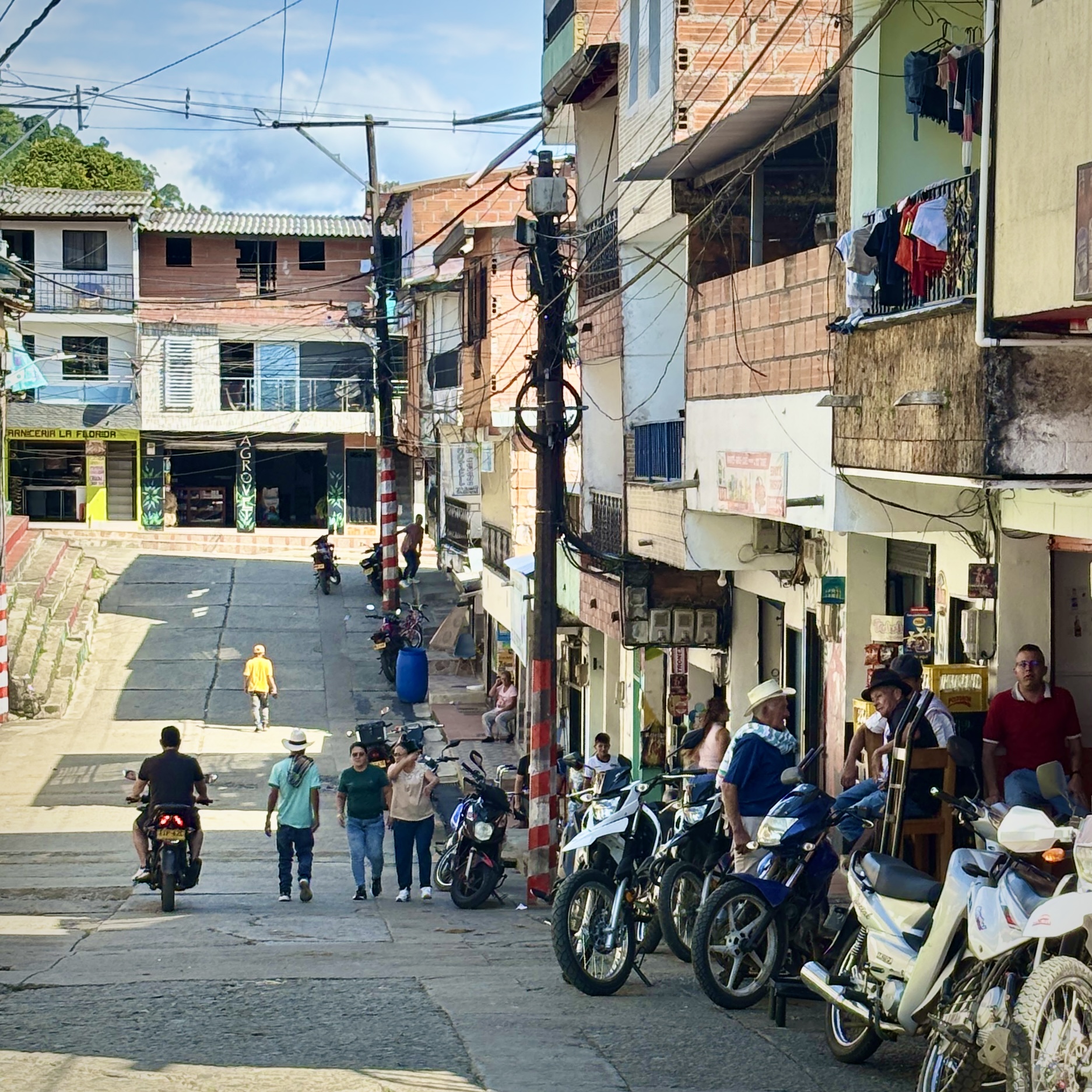
One more thing. I added a couple of tilt-shift pictures to my growing collection.


Nice to get a fresh perspective Stuart! ________________________________
Compliments on the pics – really like tilt-shift method – and of course our friend here… !
Riz
[cid:f266b05b-5374-4b4a-a825-8ac605218009]