This month: 1) a medieval art quiz 2) a ruinous diversion, and 3) just some nice Greek music.
George Michael
We’ve done this before, but here a a bunch of new pics, taken on recent gallery/church/museum visits1.
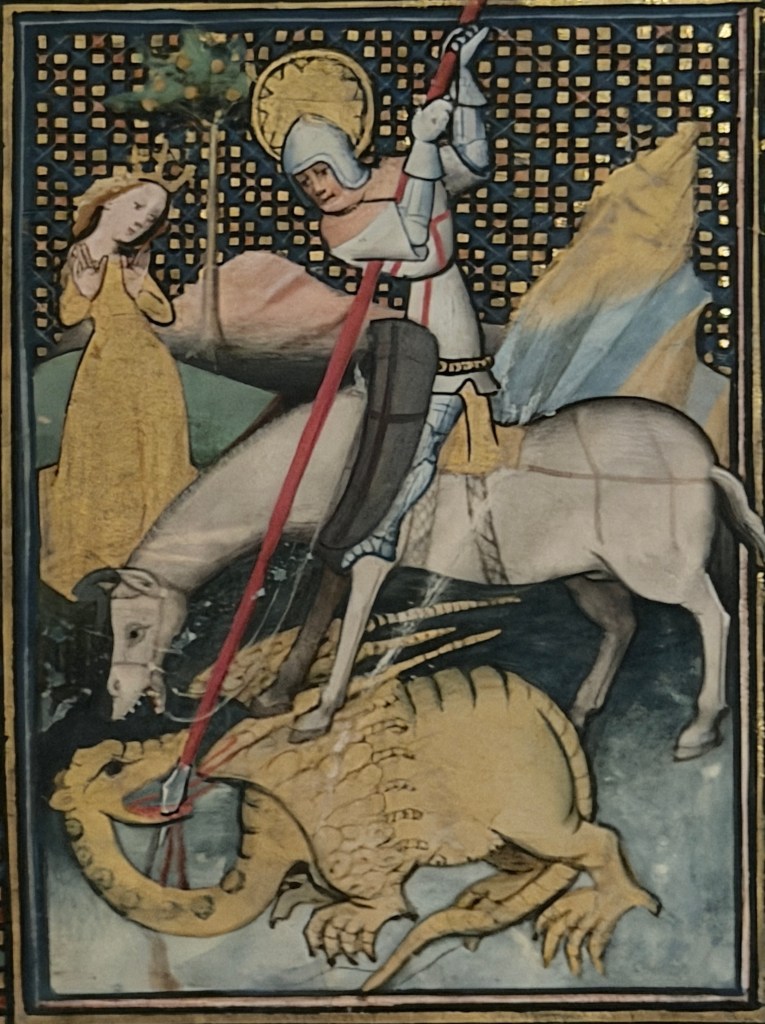
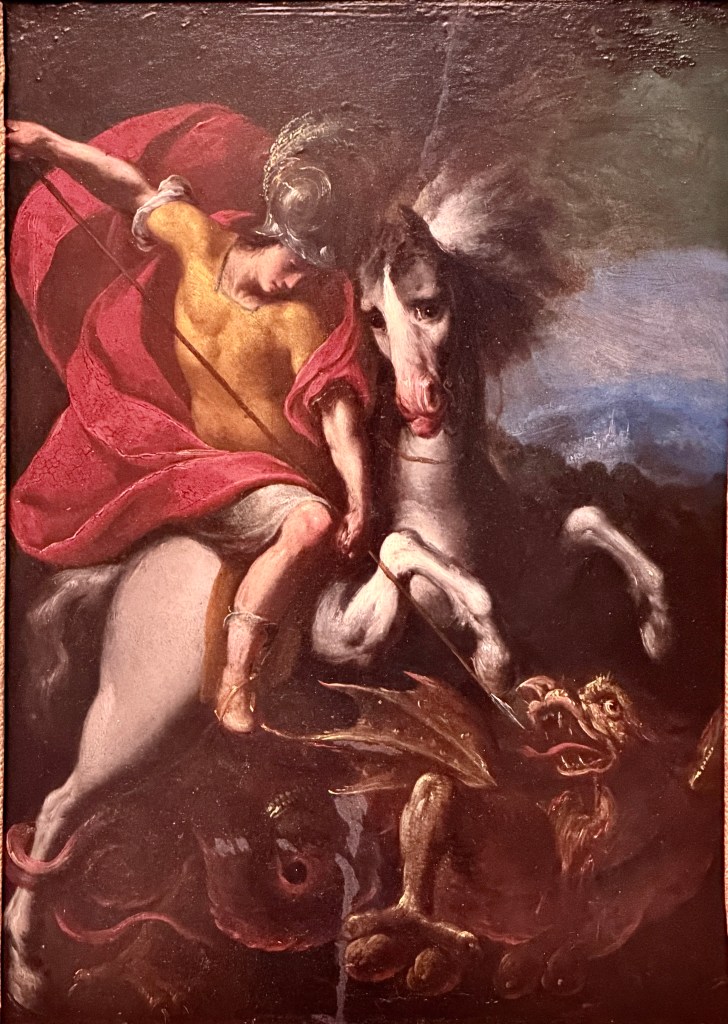
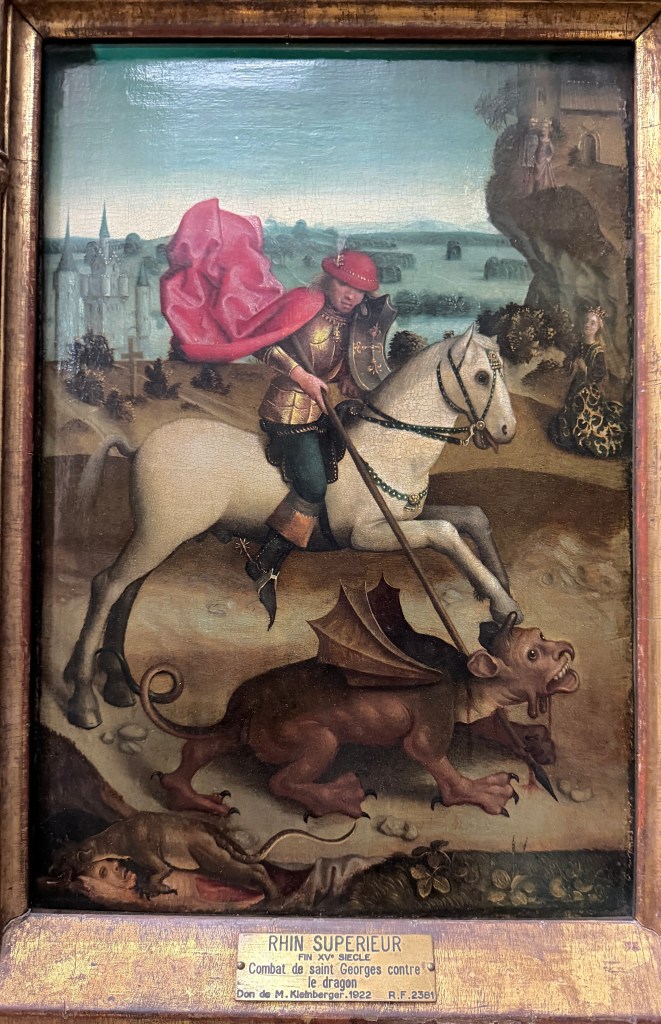
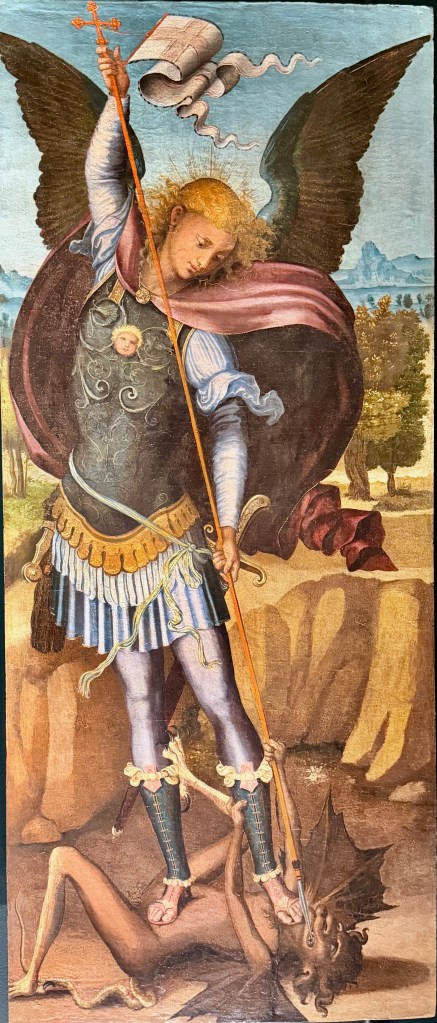
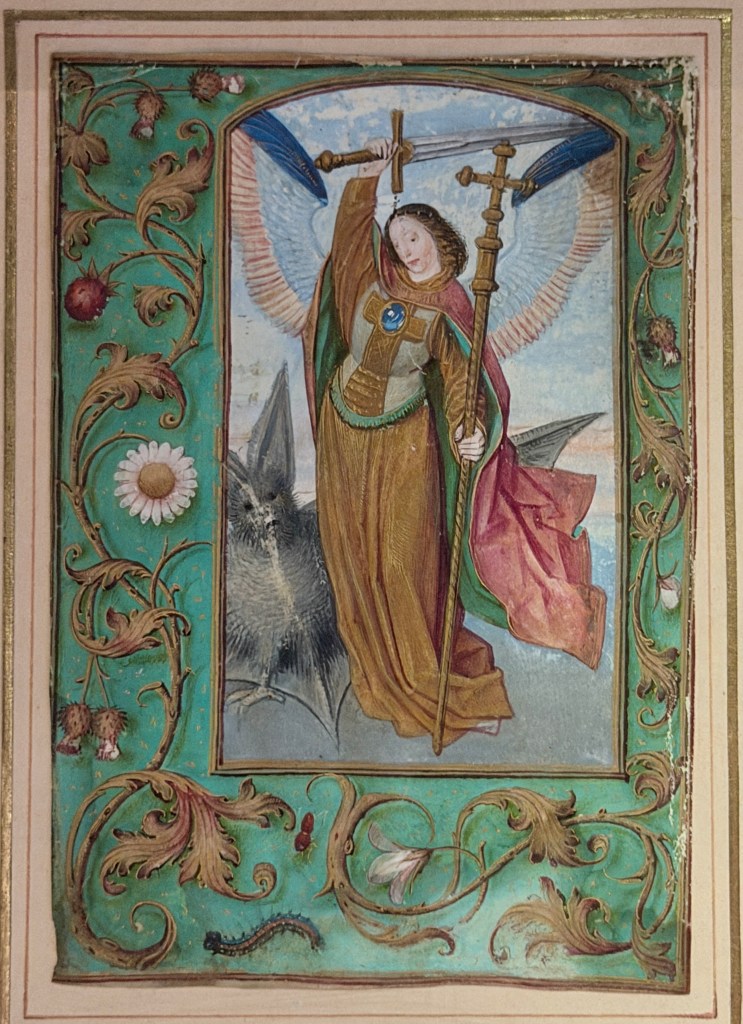
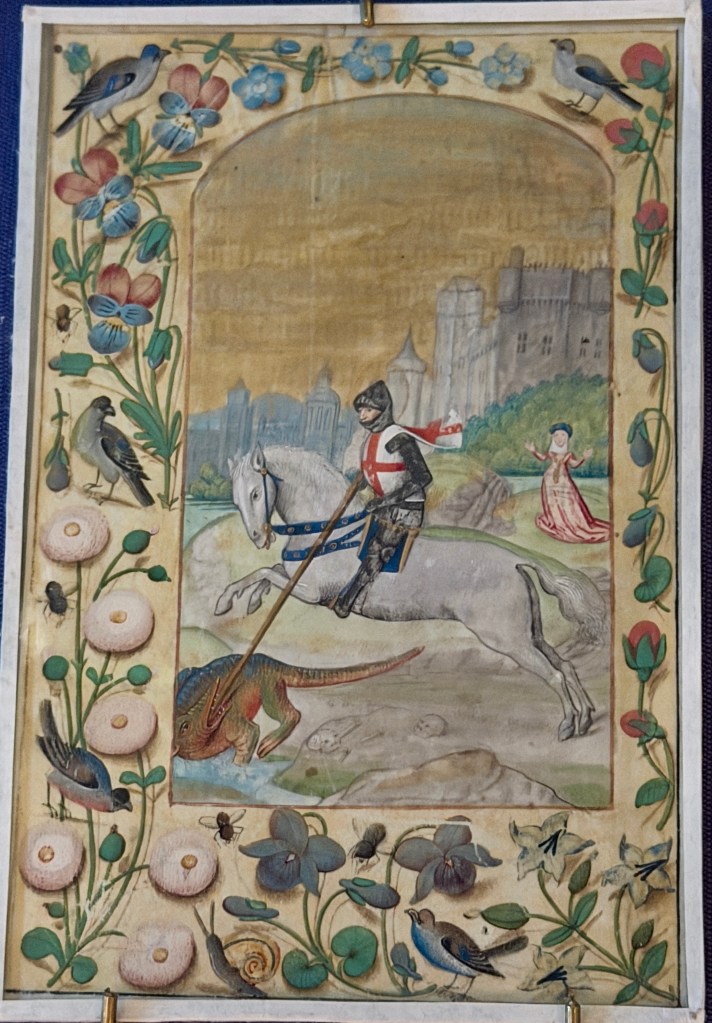
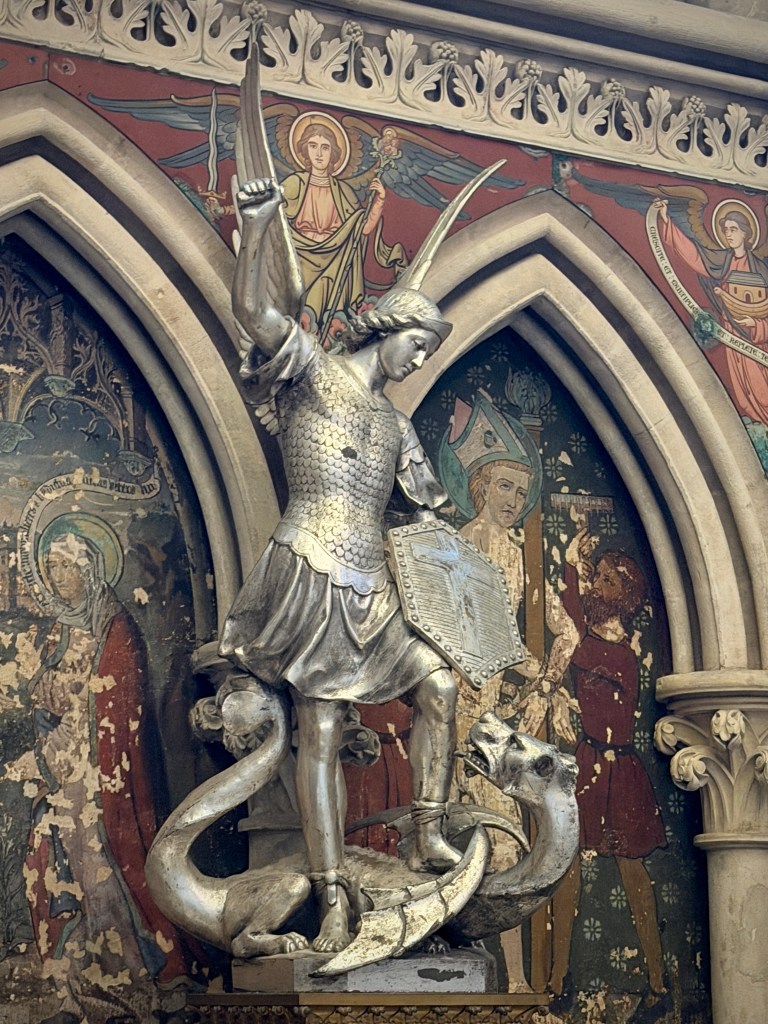
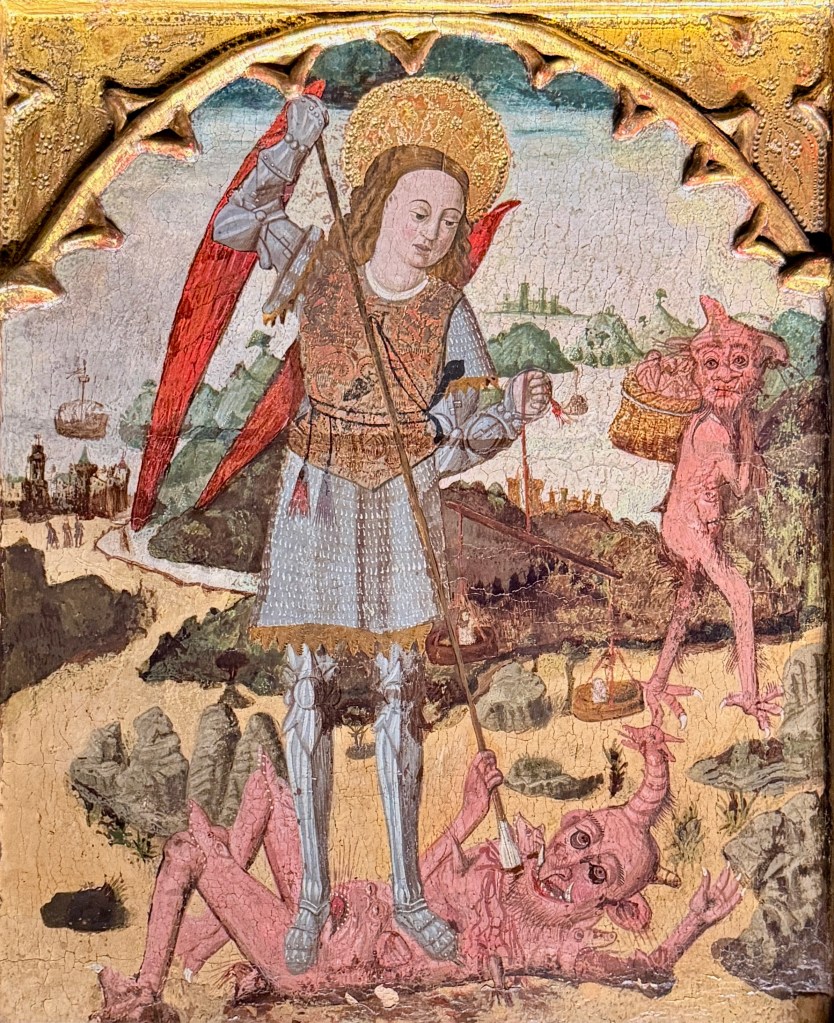
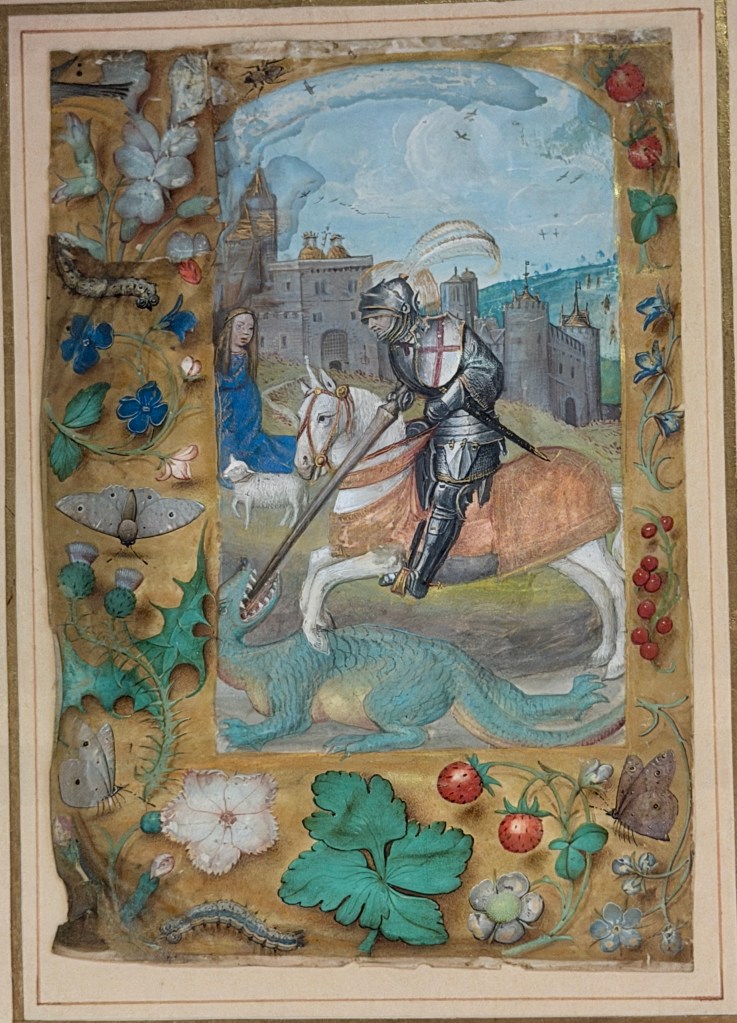
Which of these depict St. George, patron saint of many things, and which show Archangel Michael, warrior for god? Answers are at the end of the post (but it’s not really that hard).
Death, desolation, ruin, and decay2
Look at these two paintings…


The first is one of several depicting Saint Sebastian by Andrea Mantegna in the 1400s. The other is the Adoration of the Magi by Sandro Botticelli, painted in the same period. Obviously, both are important Christian events, and both are shown as occurring in the ruins of monumental buildings. As with most Renaissance paintings, things are never what they seem.
In this case, setting the scenes among the ruins indicates that Christianity, the new religion, is on the rise, and the old Greco-Roman world, and paganism, are in decline3. Neat.
Centuries later, in the 1600s and 1700s (roughly), ruined buildings appear again, but this time with a different slant. Look at these:


First is Landscape with the Arch of Titus by Giovanni Paolo Pannini and on the right is Southern Landscape by Jan Dirksz Both. In these paintings, known as Capriccios, the ruins are part of the landscape. They provide contrast to the idyllic pastoral elements of the landscape, and evoke a long forgotten, but grandiose past time. A symbol of a “paradise lost”, perhaps.
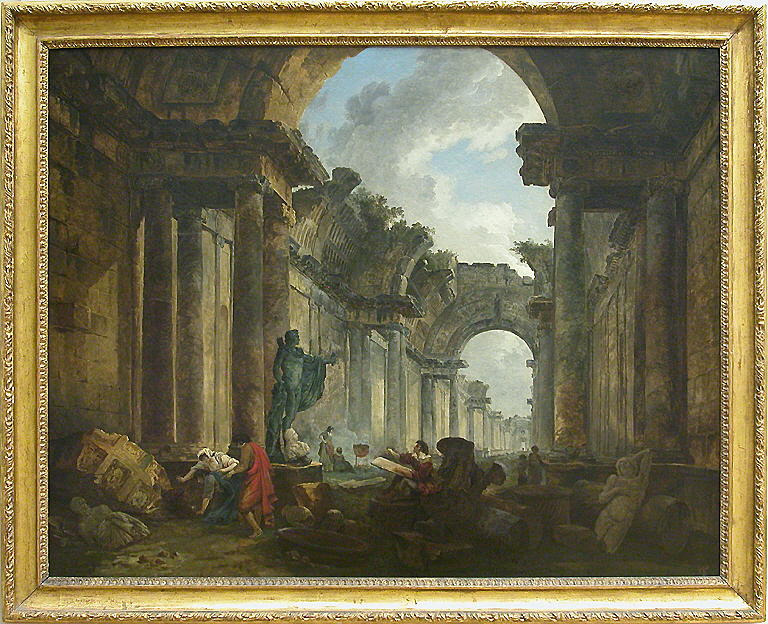
At the end of the 18 century, French painter Hubert Robert took the idea of ruin symbology to its logical conclusion and created my favourite ruin painting. He imagined the Grande Galerie of the Musée de Louvre is it might be in the future, in a state of decay. Rather than using ruins to comment on the past, he used them to comment on the transience of the things we value here in the present.
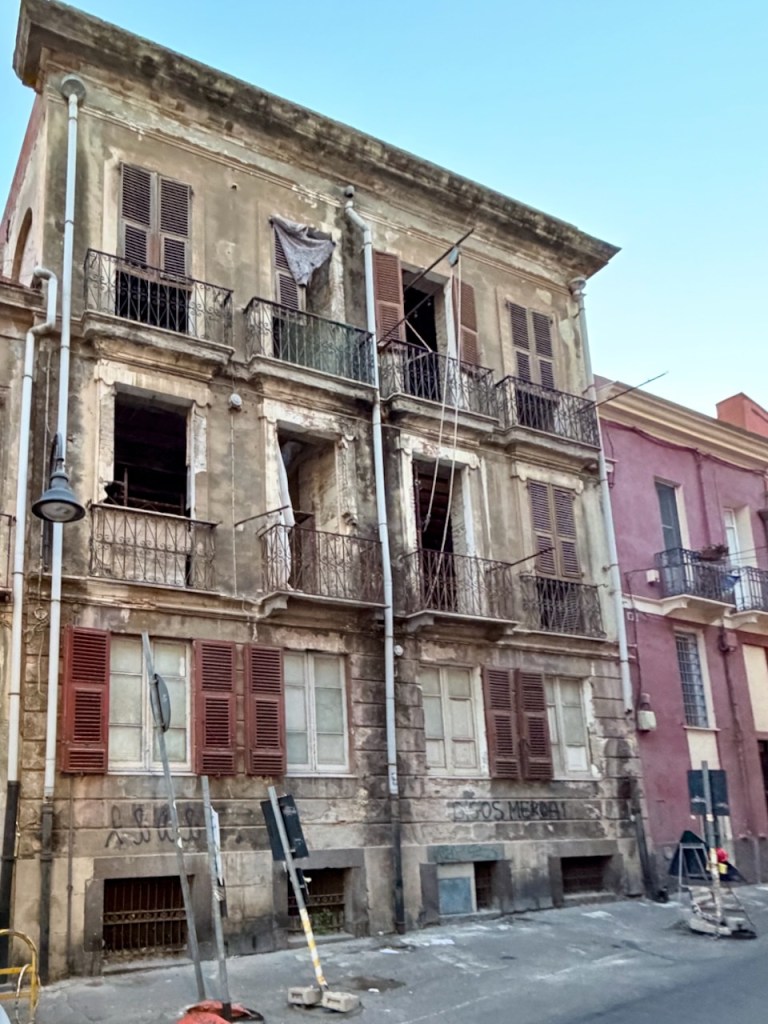
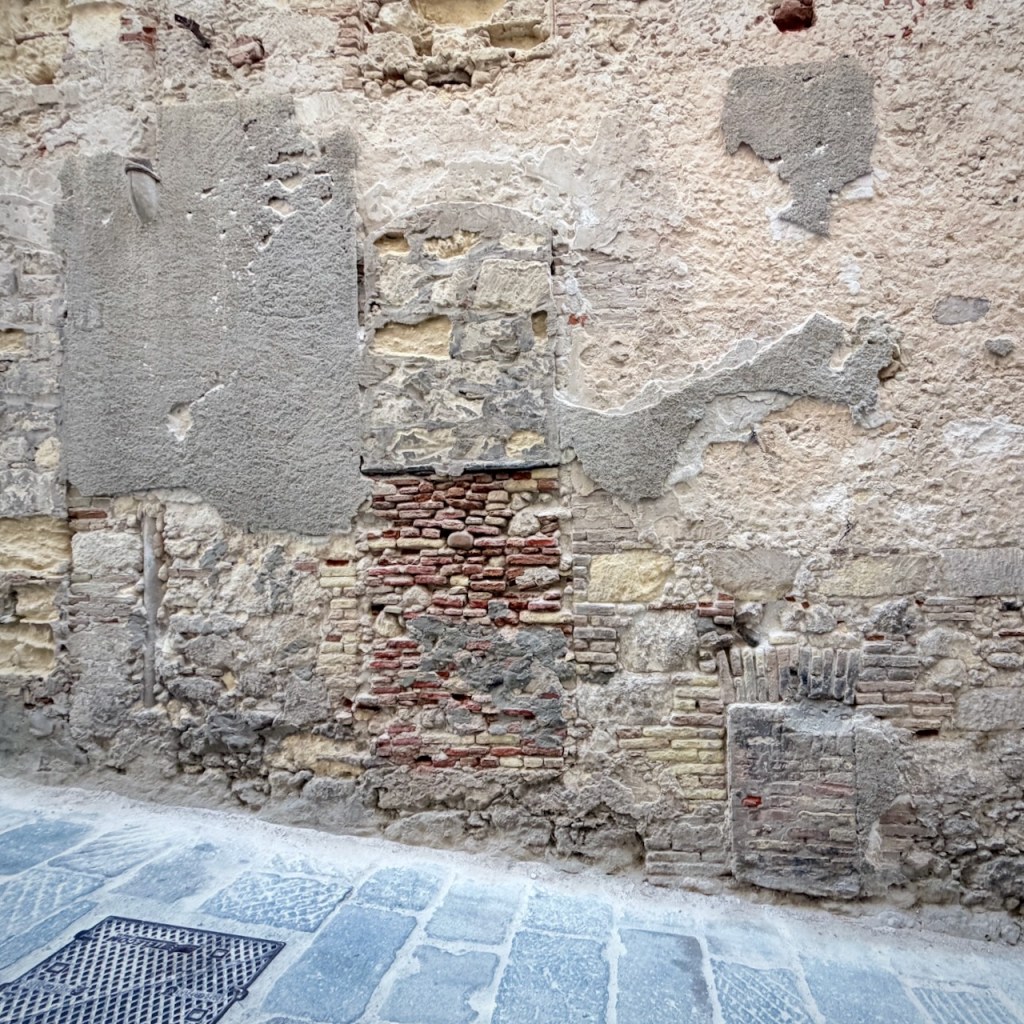
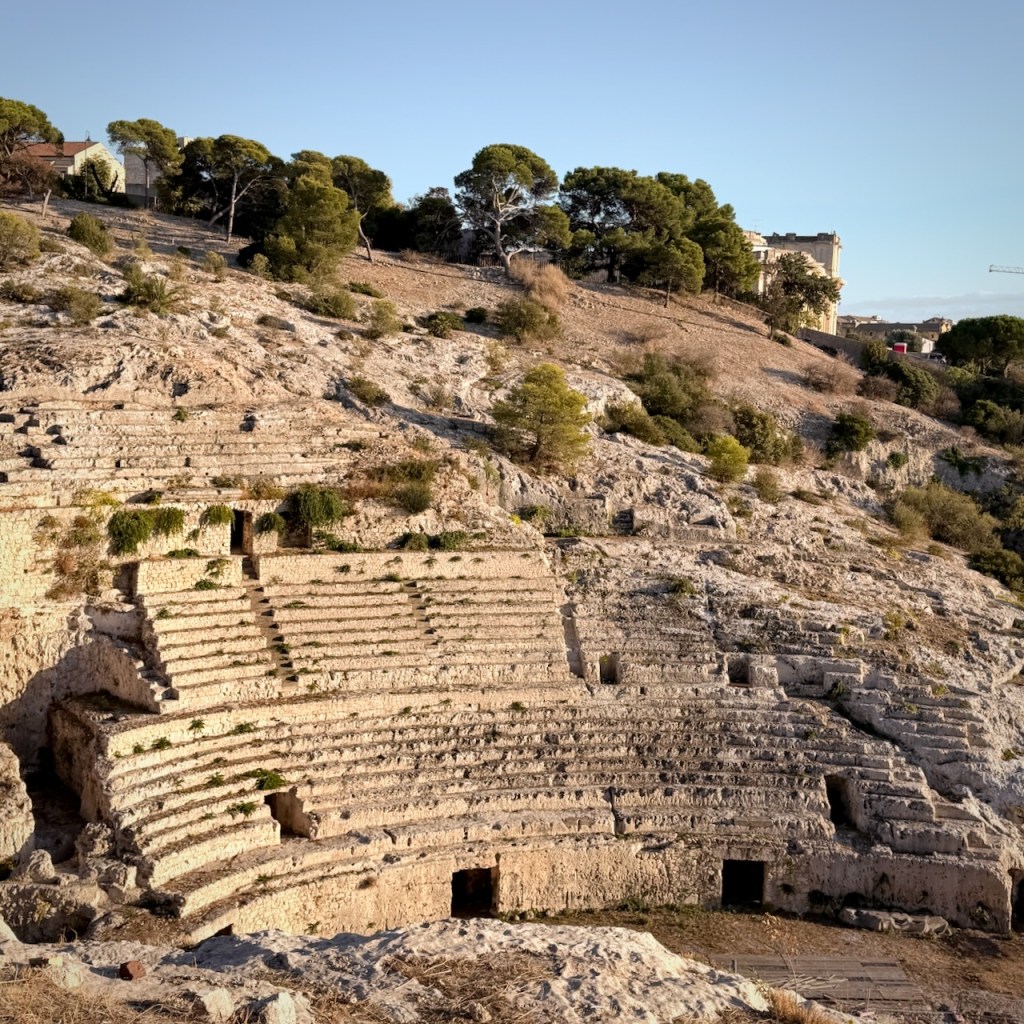
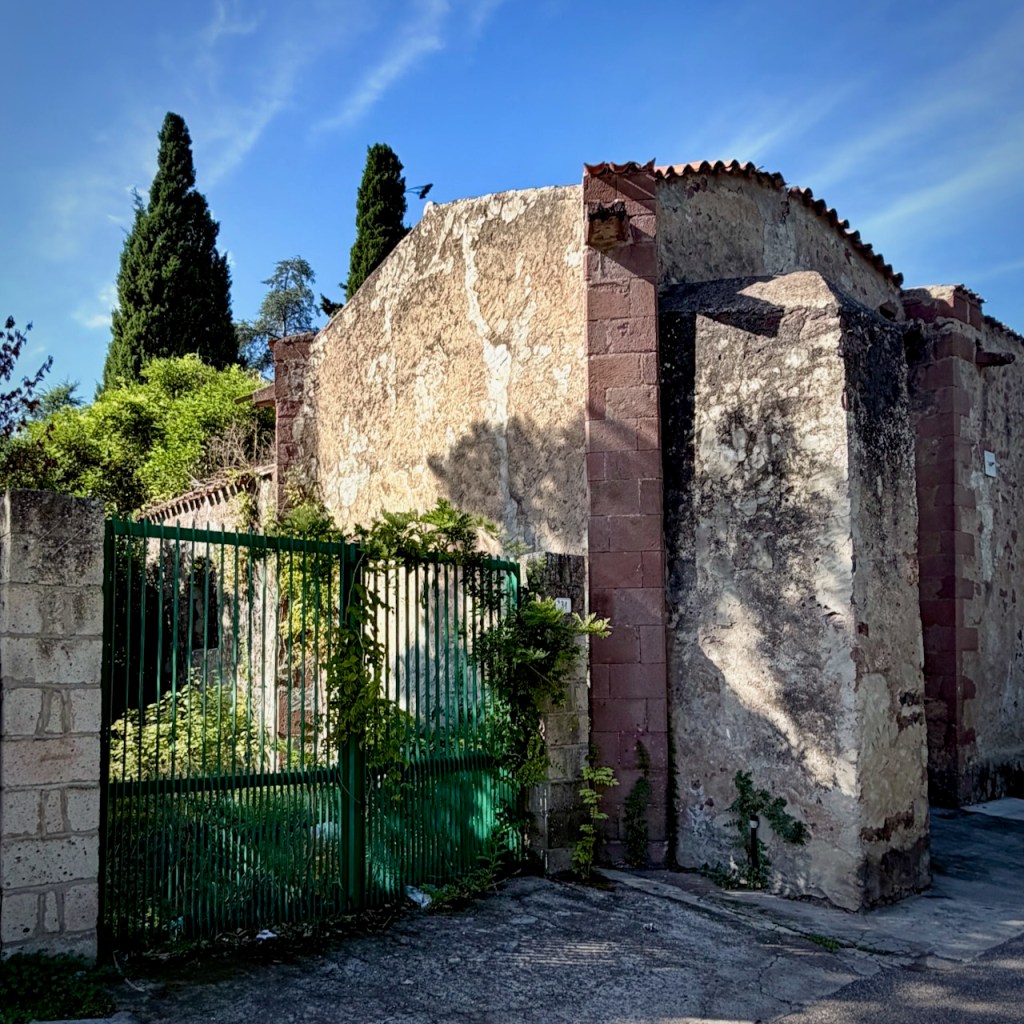
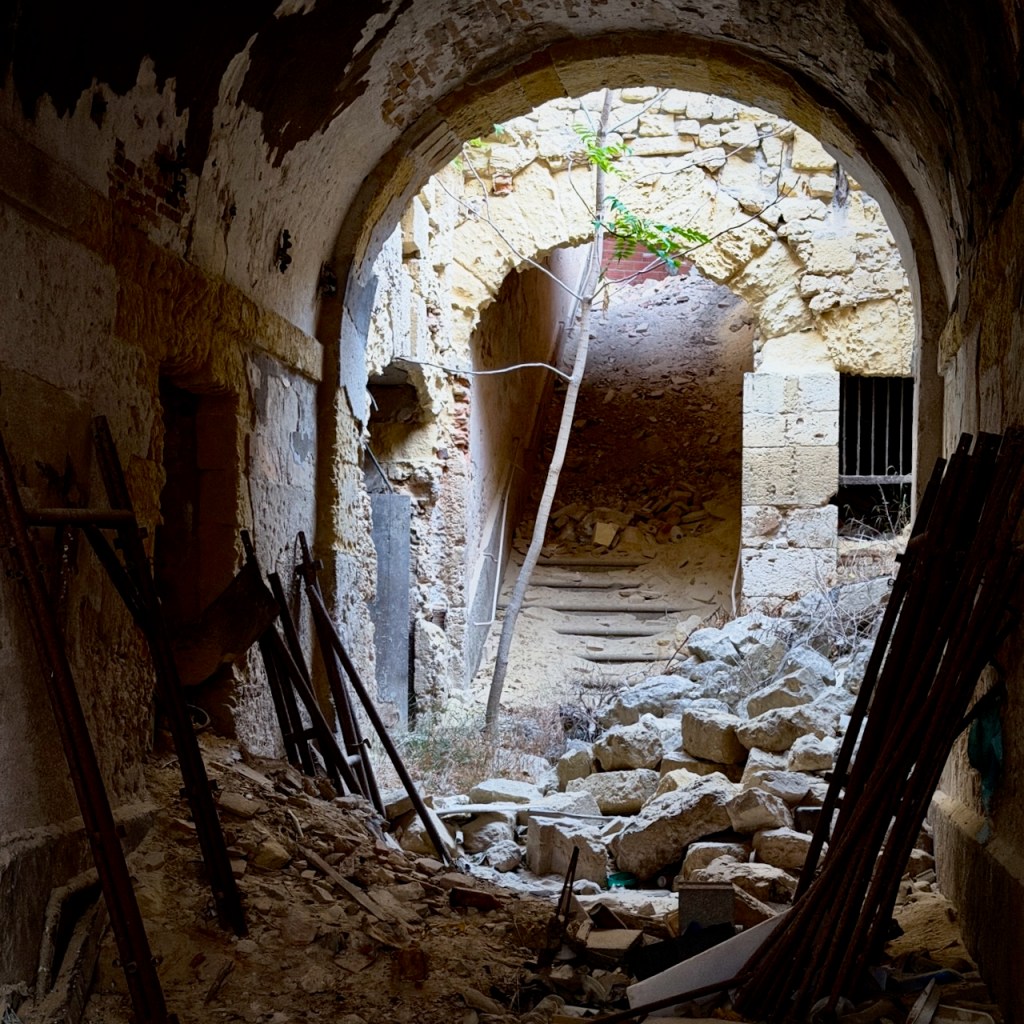
And finally, here are some of my own pictures, taken recently, which stimulated this little side-quest down the rabbit hole of ruin paintings.
Eleni Karaindrou
If you are looking for something new to listen to, you might enjoy the music of Eleni Karaindrou. She is a Greek composer, mostly of film scores and mostly for those of director Theo Angelopoulos, until his death in 2012. Time magazine called her “Greece’s most eloquent living composer”.
I’ve been listening to “Concert in Athens“, a 2013 recording of live performances of her music, and find much to like. The track “Nostalgia Song” is particularly lovely.
That’s it. See you next month.
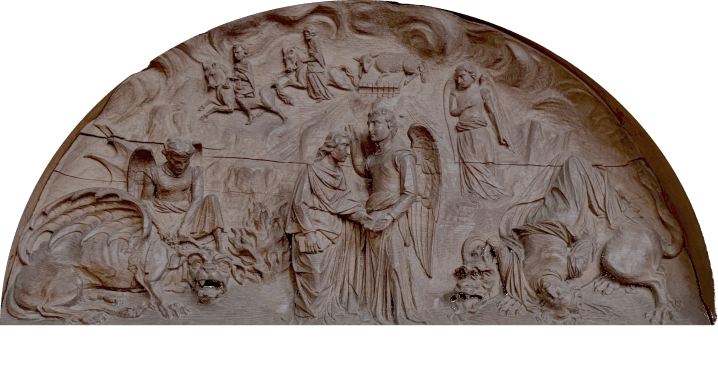
PS: the header image this month is a bonus Archangel Michael, taken at the Musée d’Art et d’Histoire Baron Gerard, in Bayeux.
PPS: Quiz Answers
| Saint Georges. Maitre de Cuilebert de Mets Flandre occidentale – vers 1430- 1440 Feuiller d’un Ivre d’heures inv. Musée Marmottan, Paris | Saint Georges combattant le dragon MELCHIORRE GHERARDINI MiLAN, 1607 – MILAN, 1668 Musée des Beaux Arts, Rouen | Combat de saint Georges contre le dragon Peintre anonyme Actif dans la Région du Rhin supérieur (Allemagne actuelle), vers 1480-1500 Musée de Louvre, Paris |
| Archangel Michael Possibly: Michele Cavaro Pinacoteca Nazionale di Cagliari | Saint Michel Maitre du Livre de Prières de 1500 Bruges – vers 1490-1500. Dix-huit feuillets provenant d’un livre d’heures Musée Marmottan, Paris | Saint Georges Maitre du Premier ivre de prères de Maximilien I Gand – vers 1480-1490 Feuillet d’un livre d’heures Musée Marmottan, Paris |
| Archangel Michael Cathédrale Notre-Dame, Bayeux | Archangel Michael Pinacoteca Nazionale di Cagliari | Saint Georges et le dragon Maitre du Livre de Prières de 1500 Bruges – vers 1490-1500. Dix-huit feuillets provenant d’un livre d’heures Musée Marmottan, Paris |
- No other gallery patrons had their views impeded when these pictures were taken. I am fastidious about that. It drives my nuts when people take pictures in (even modestly) busy galleries. It is even worse when they pose in front of the display, blocking other’s view, while their incompetent friend takes an almost certainly mediocre picture of them. ↩︎
- Richard III. Act 4 Scene 4 ↩︎
- It’s actually a lot more complex than this. The ruins may also illustrate the transience of the physical world, to contrast the permanence of the spiritual. There are other possibilities. See, for example: Sandro Botticelli and Ruin on the “Waste Effects” blog. ↩︎
