Sardinia is the second largest island in the Mediterranean, but is kind-of off-the-radar for North Americans. So I wanted to go there.
I asked chatGPT for an itinerary that avoids the main tourist areas, but includes interesting cultural and artistic sites. It took several rounds of interaction to arrive at the final route and I think it succeeded, but mostly because we visited in the edge season, not because chatGPT is so smart.
We started in Olbia because, for some reason, there was a cheap flight there. Then we picked up a rental car and drove to Dorgali, a small hillside town, then across the island to Bosa, a somewhat larger spot on the island’s west coast, and finally to Cagliari, a substantial southern Mediterranean town where we could catch a flight to our next destination.
Olbia
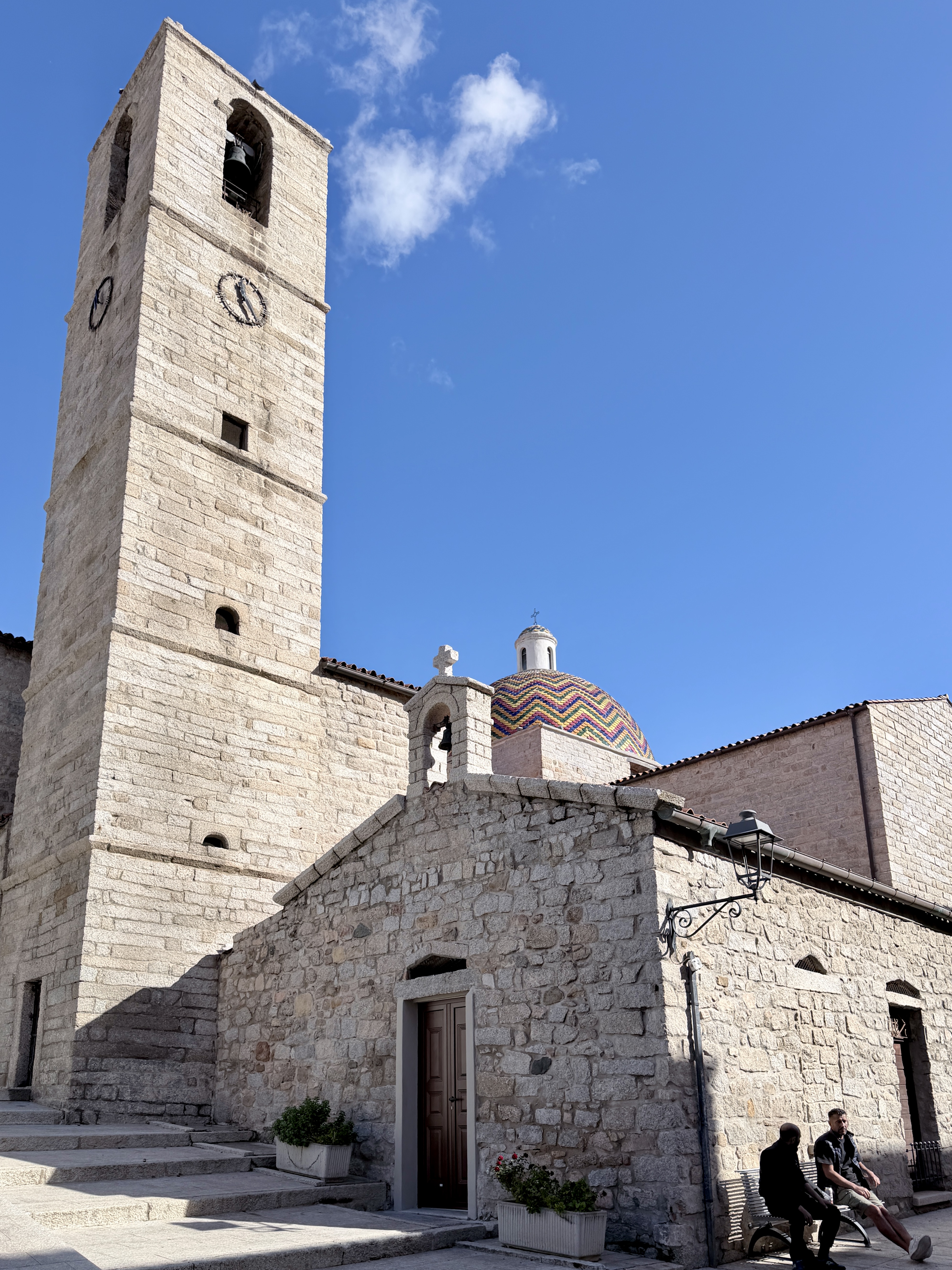
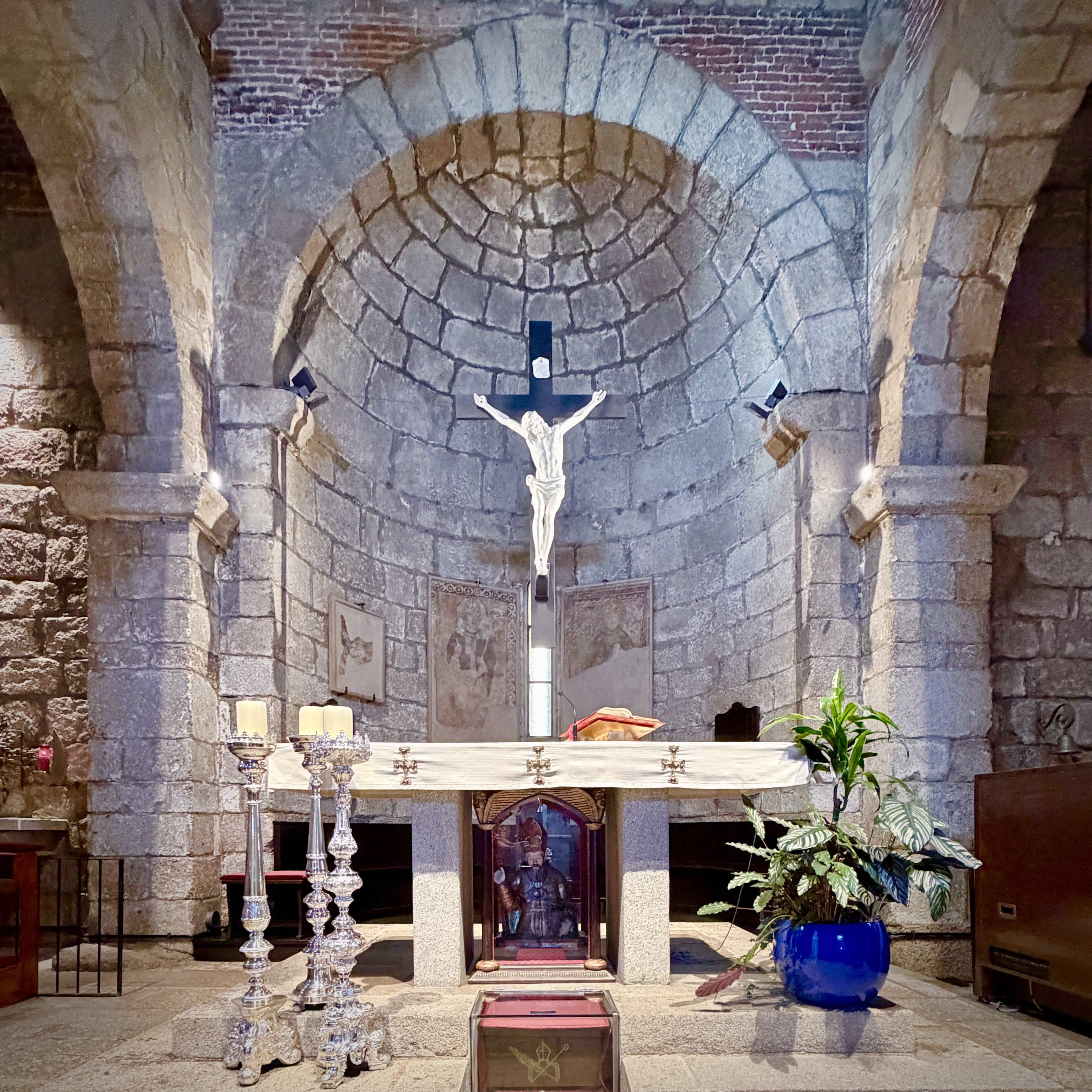
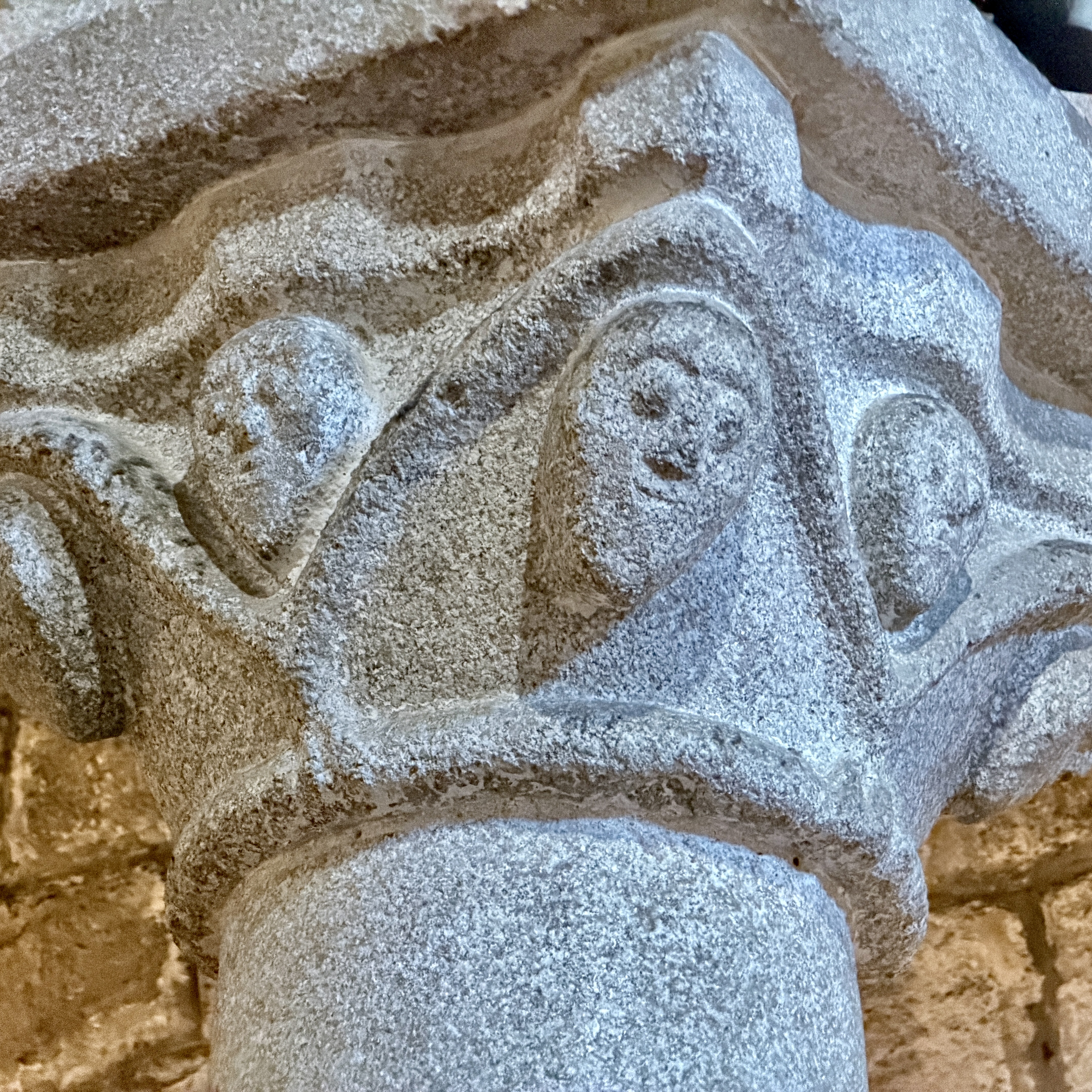
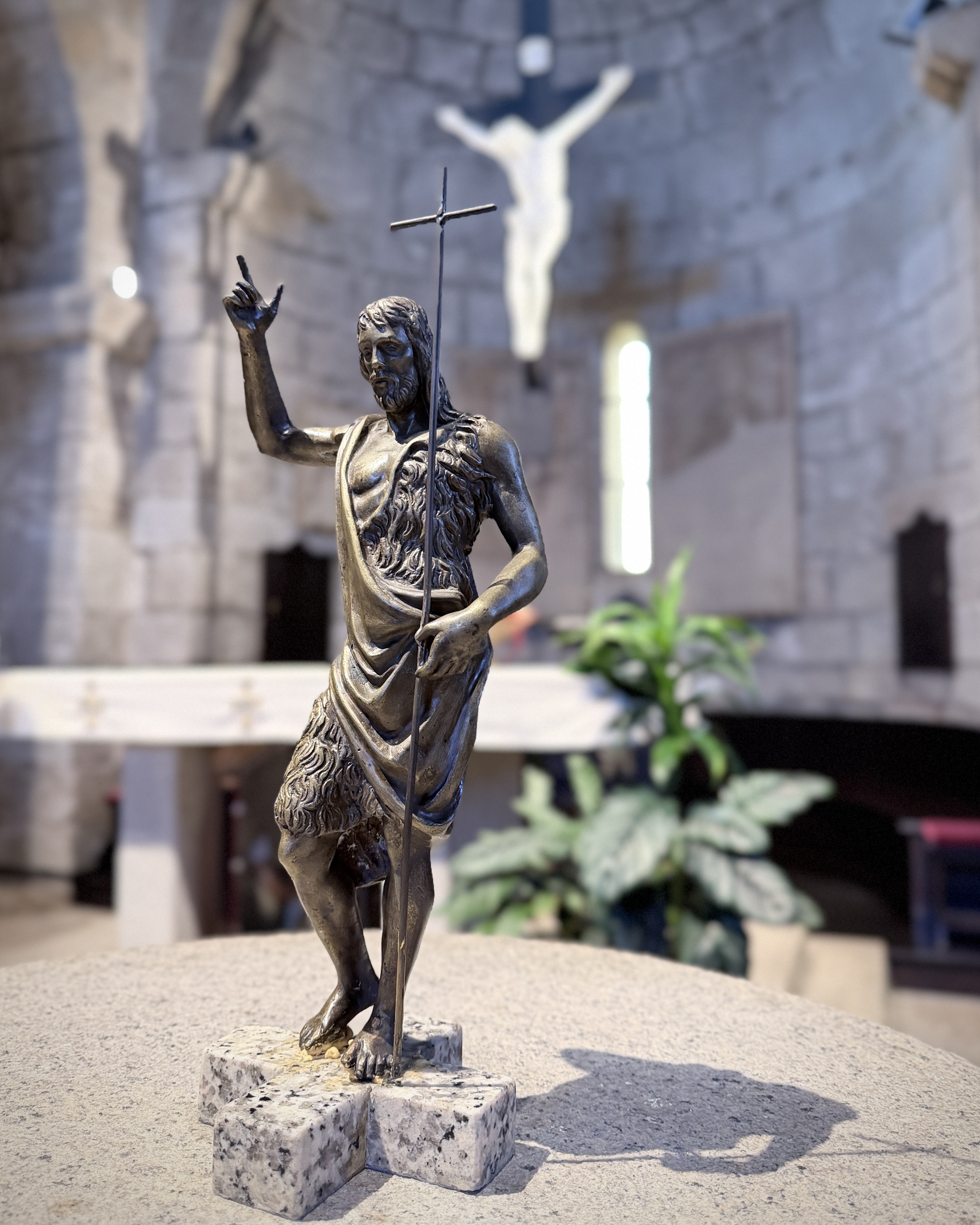
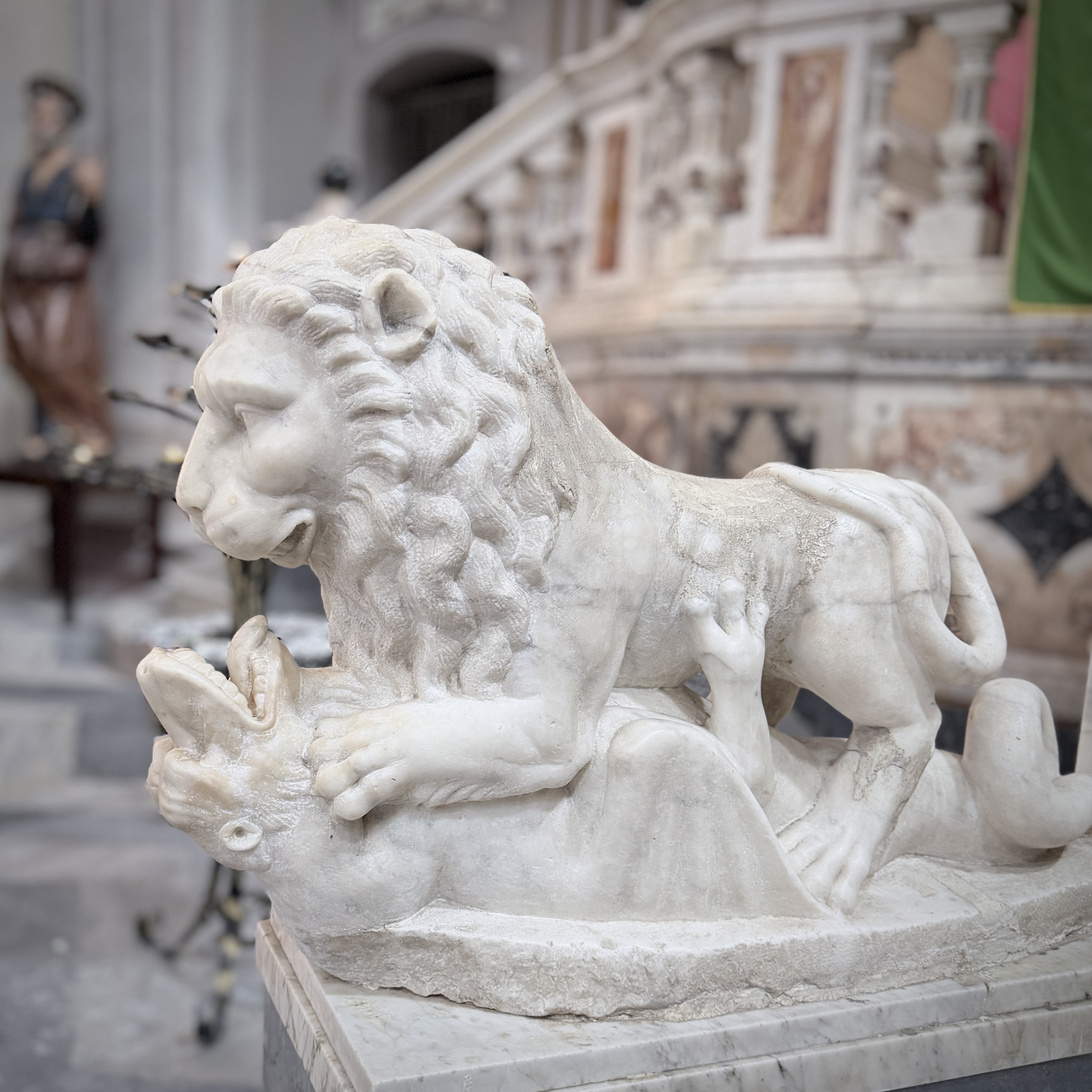
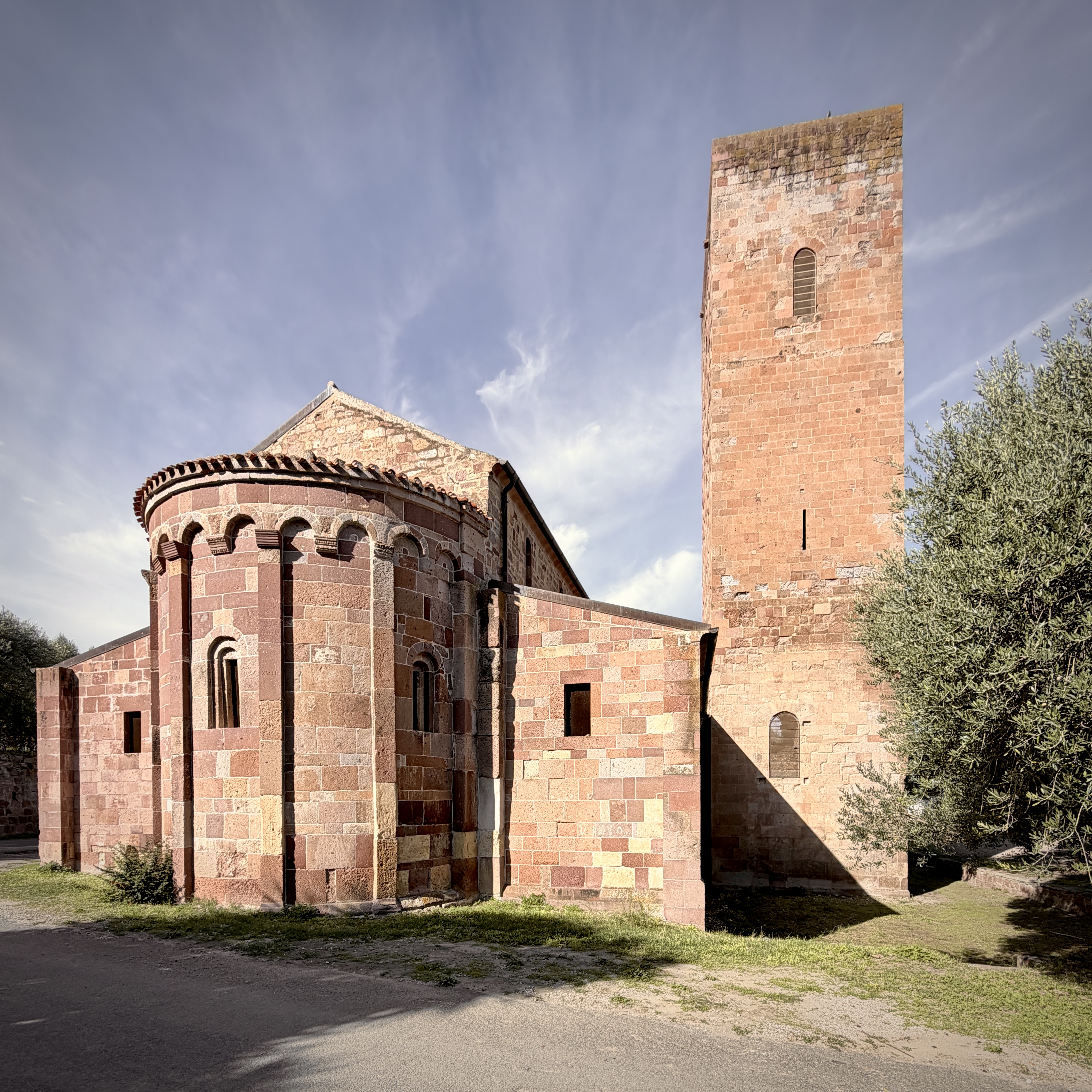
We stayed in Olbia for two nights, mostly to recover from jet-lag. It is a town of ~60k, and would be a busy summer destination due to its proximity to the luxury beach resorts along the Costa Smeralda. Our visit was at the end of the tourist season and so it was pretty quiet. We took a few pictures (above) at the church of San Paolo and the Basilica of San Simplicio before heading off on our road-trip.
Dorgali
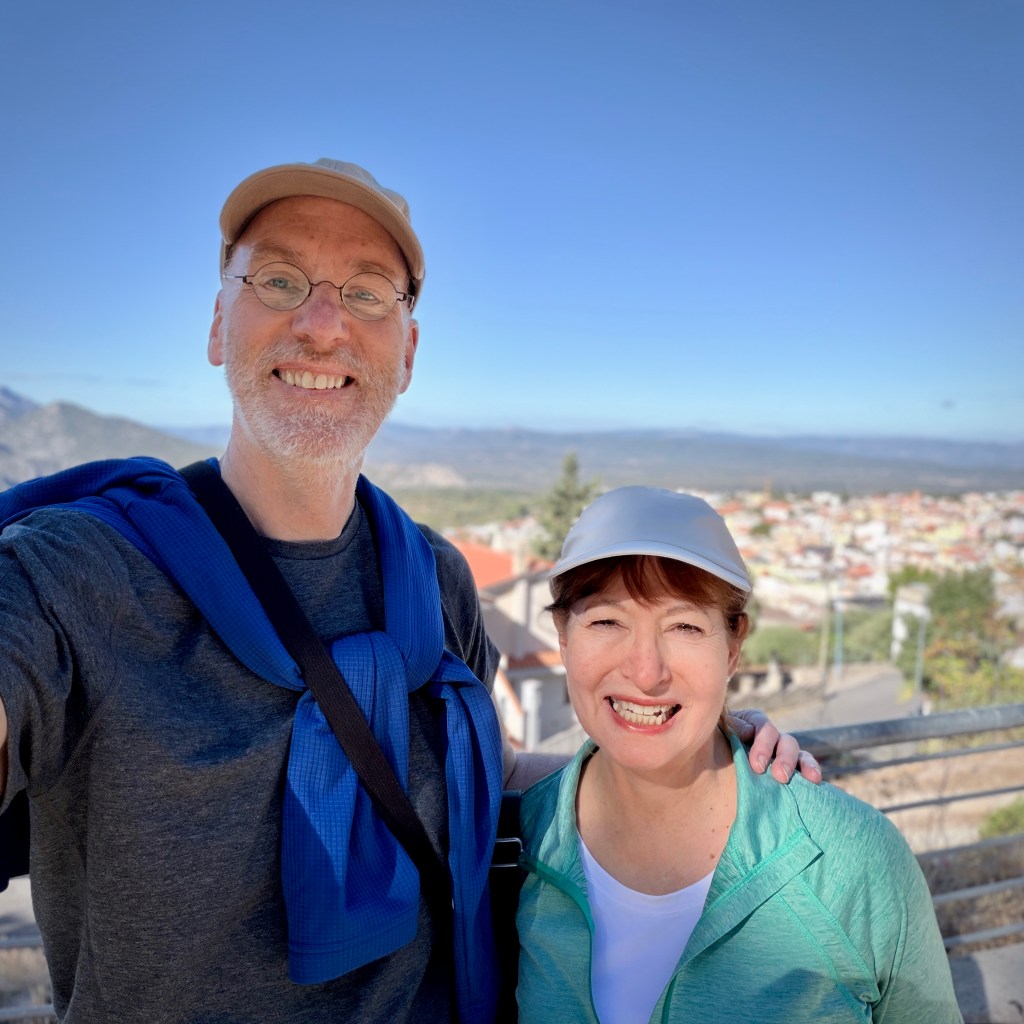
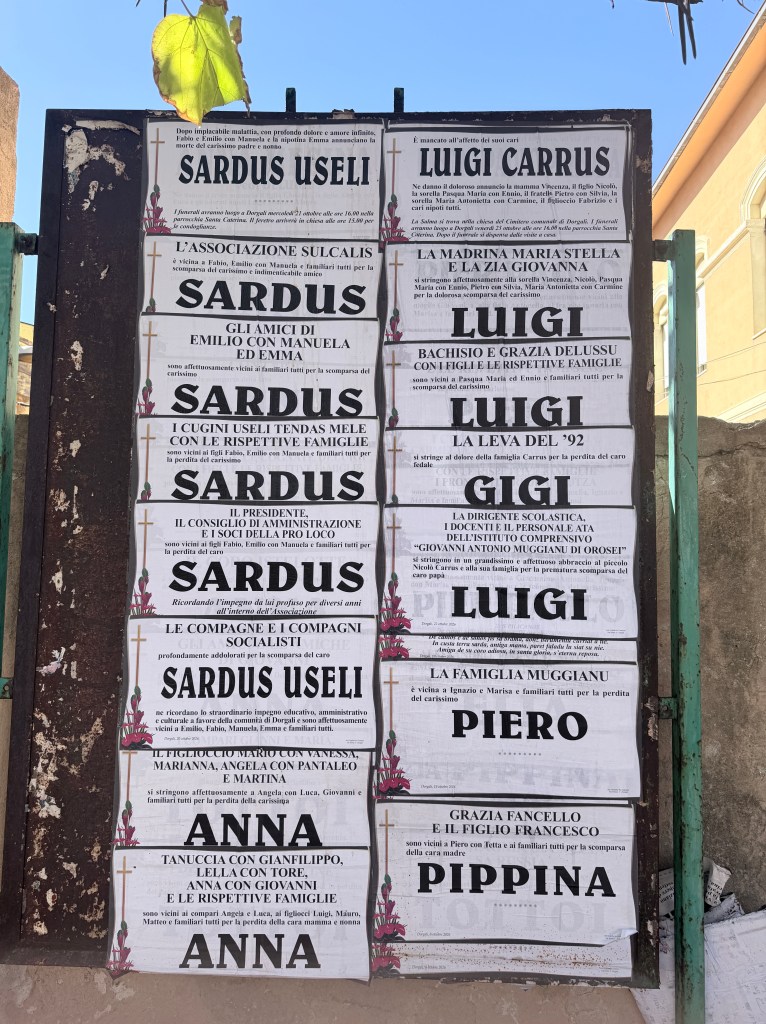
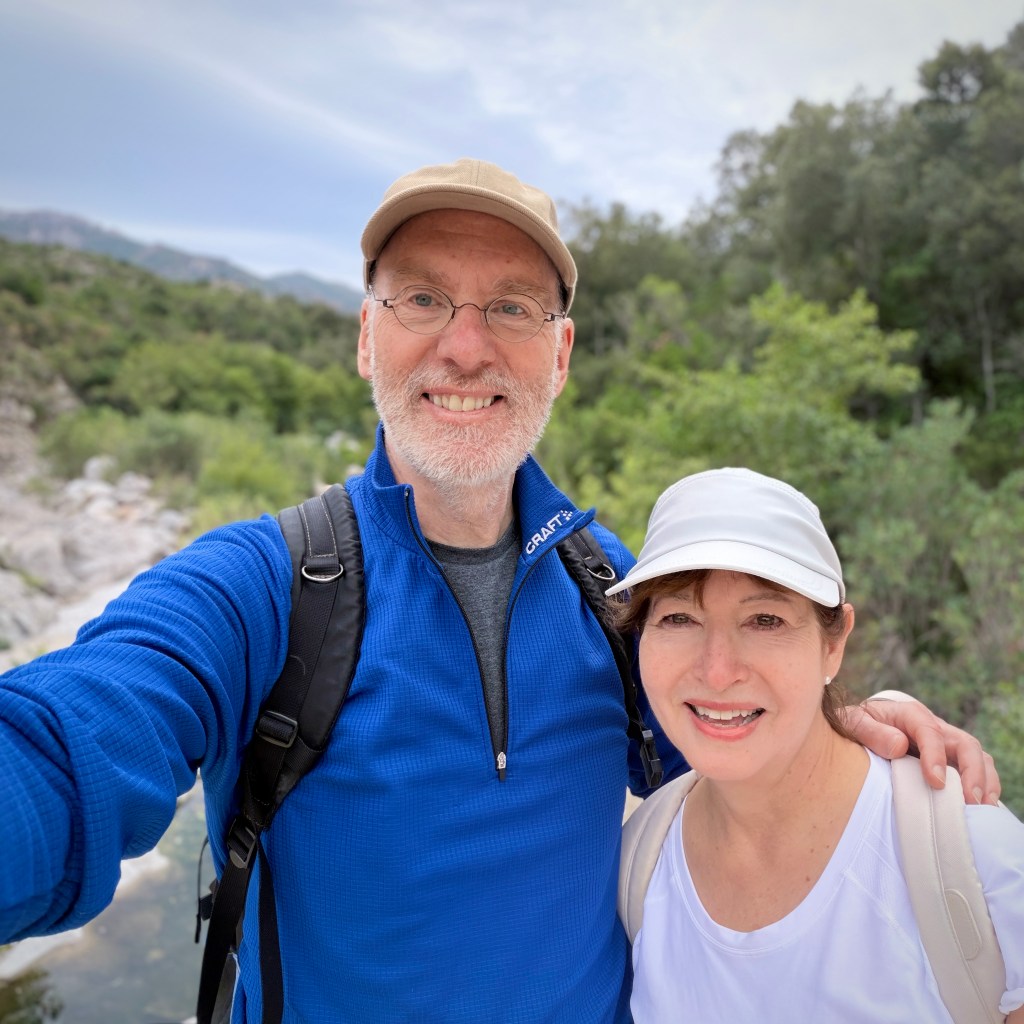
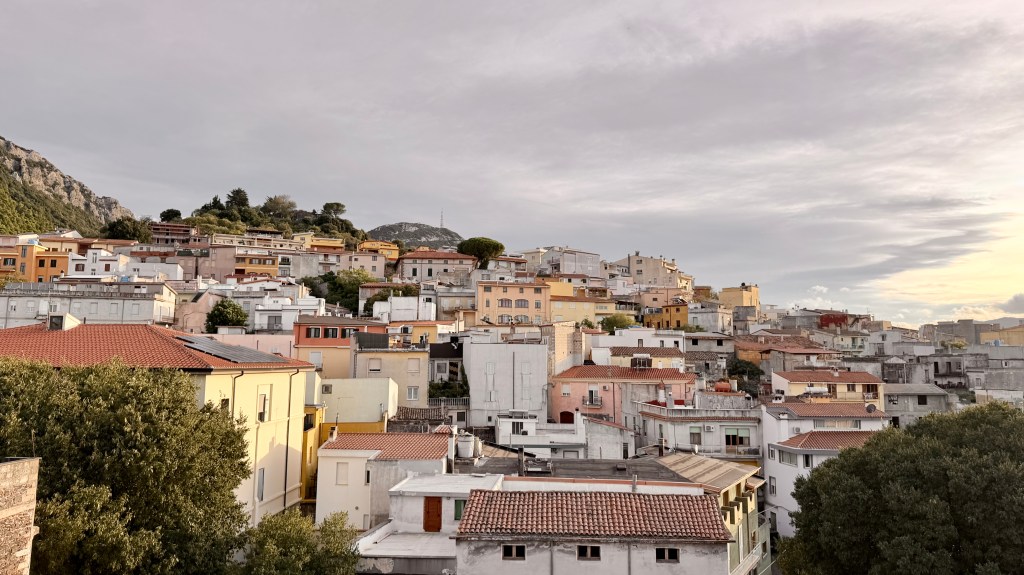
There’s not a lot going on in Dorgali in the fall…. which was why we chose to spend time there. It is very small, fewer than 10k, and the “attractions” are mostly outside of town: hiking in the surrounding hills, or visiting the nearby beaches and grottos of Cala Gonone. We did a bit of the former and none of the latter. In town there is a quite decent archeological museum, and a very good pizza spot (Civico169/Dmitri Pizza).
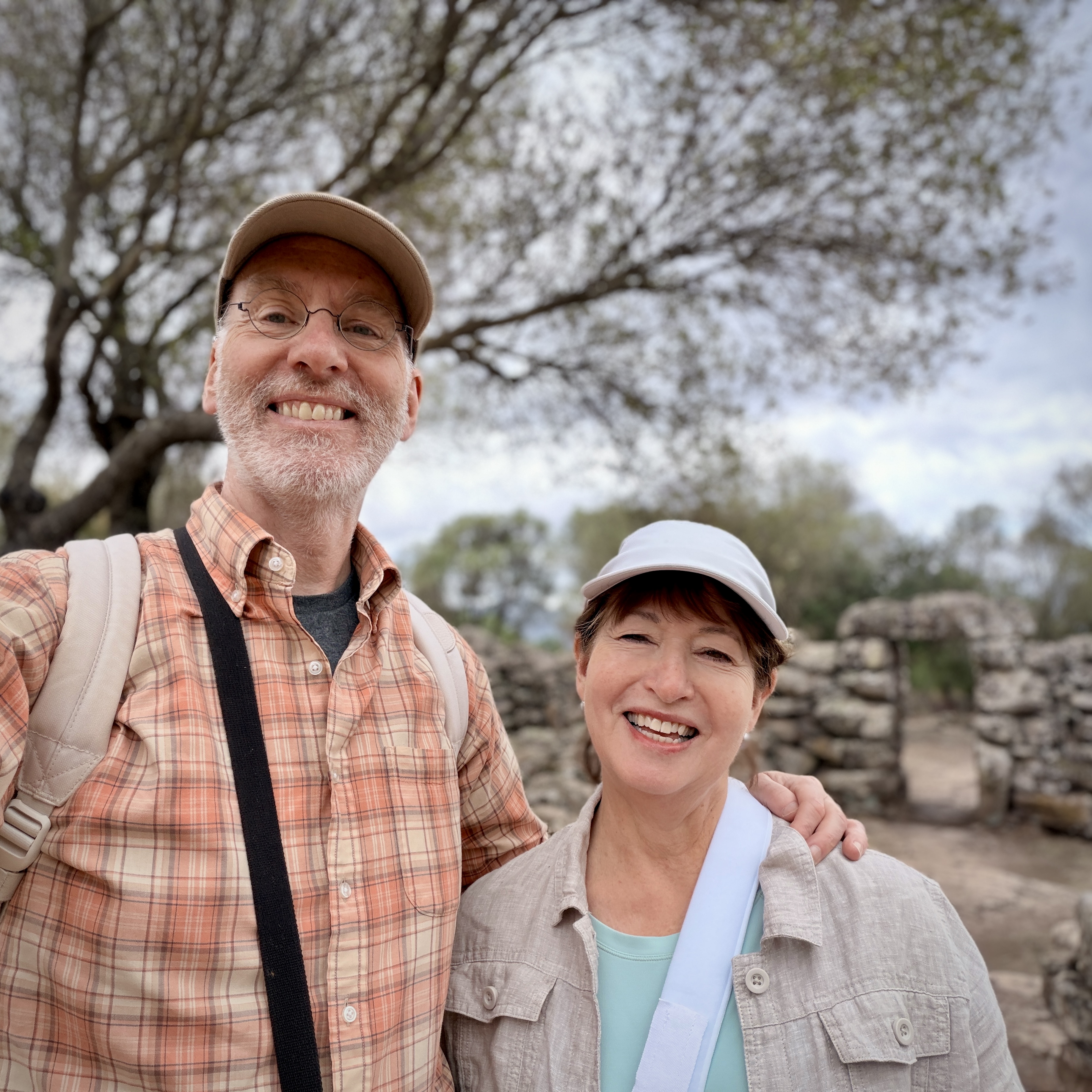
While in Dorgali, we made a trip to Serra Orrios, a nearby archeological site. There we found the remains of a village of the Nuragic people, who populated Sardinia during the Bronze Age through to the Iron Age (~1800 BC to ~200 BC), but possibly much longer. The Nuragic people are named after the distinctive stone towers or nuraghe, which they built until around 1200 BC, many of which remain scattered around Sardinia. I had never heard of this civilization before, but there is a theory that they were among the “Sea Peoples” who raided Egypt and surrounding areas in the late Bronze Age. The profile of the Sea Peoples has taken off this year as they are mentioned in Christopher Nolan’s terrible1 version of The Odyssey.
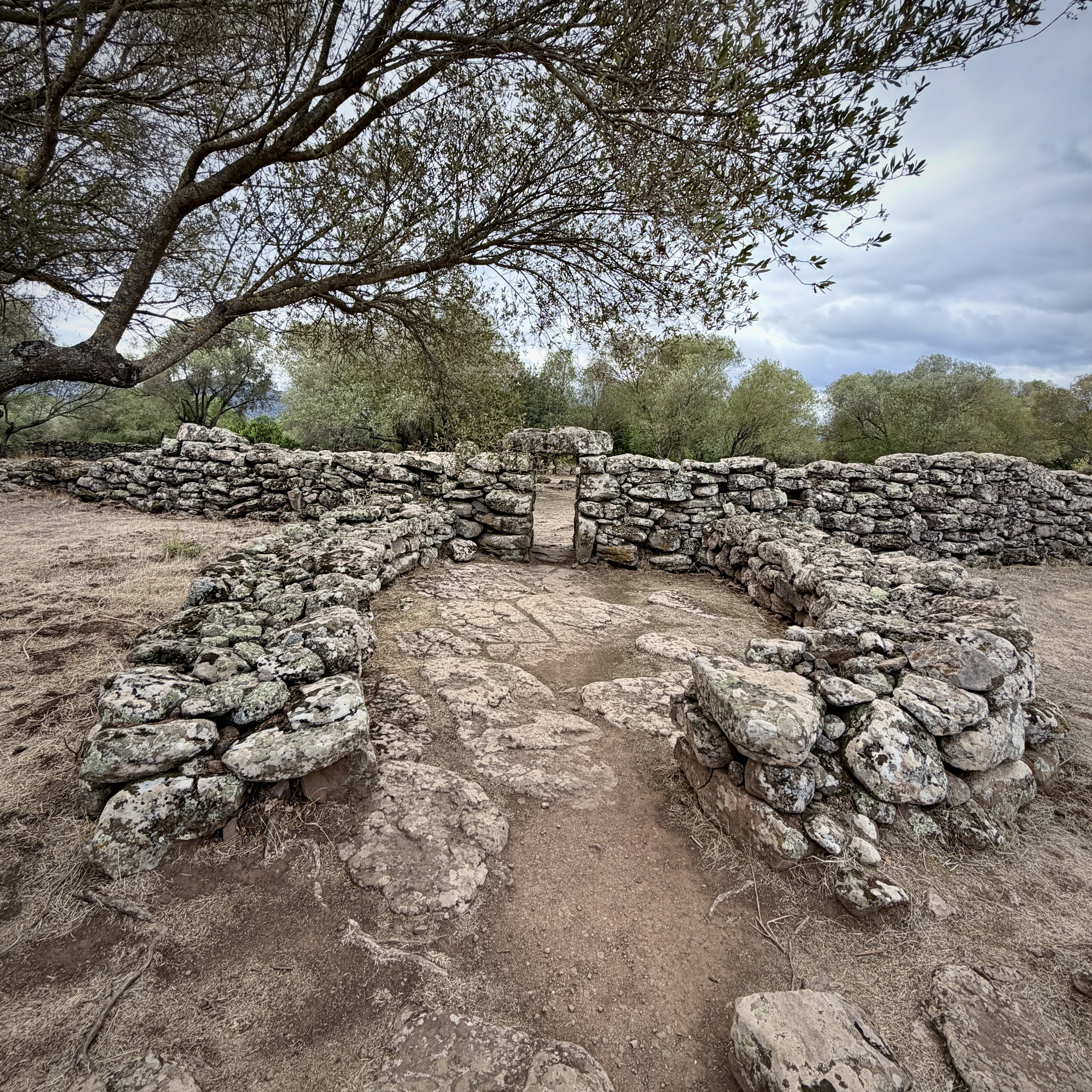
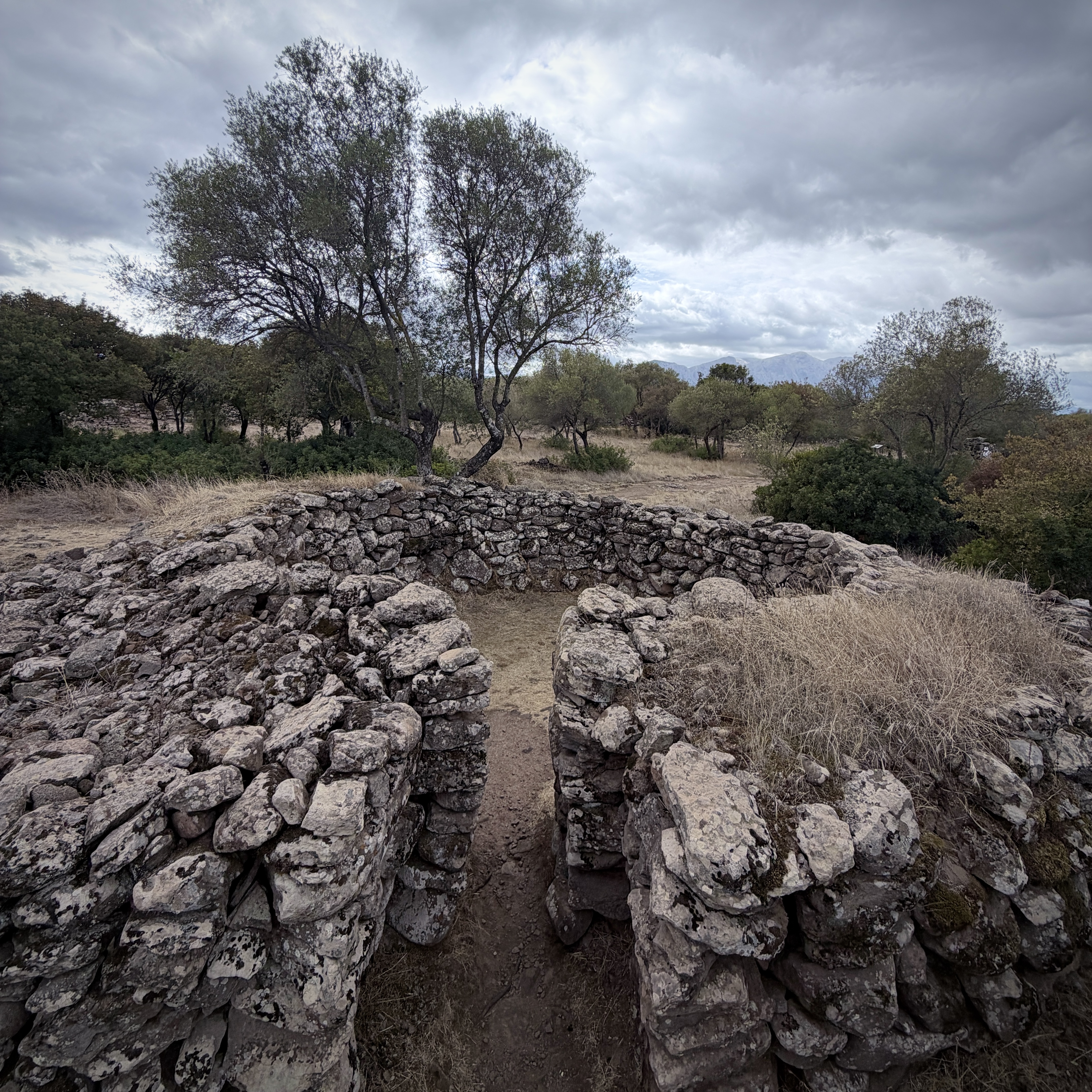
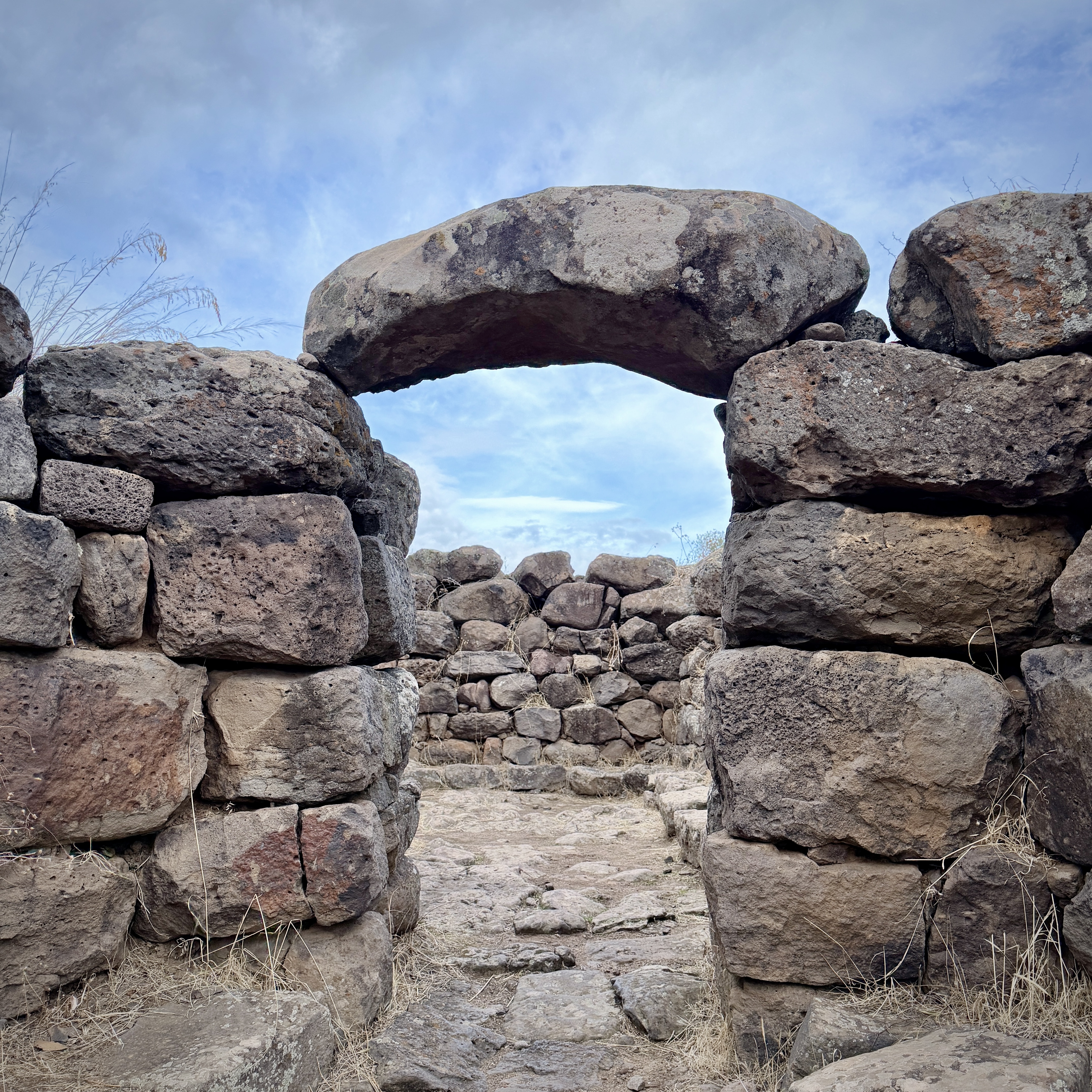
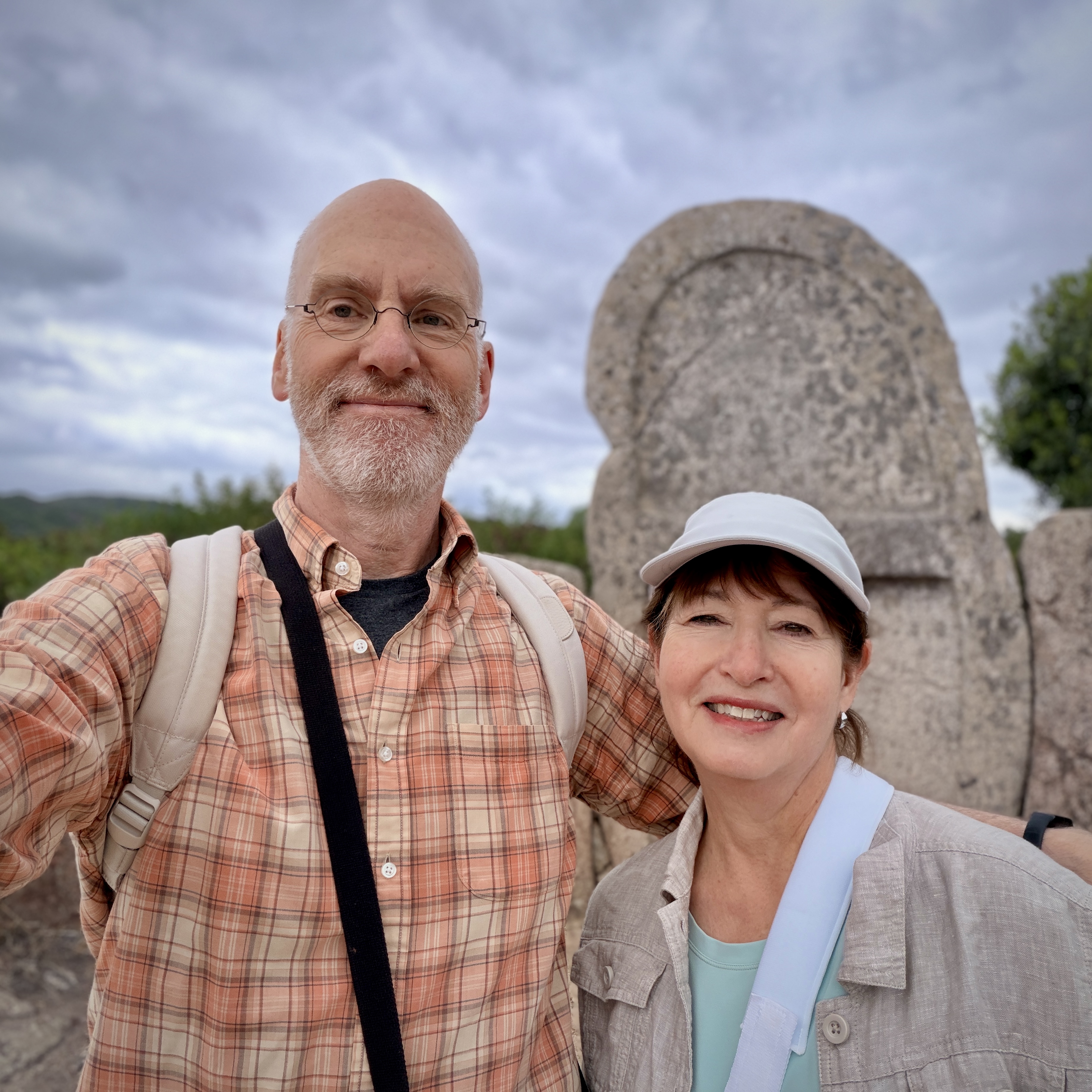
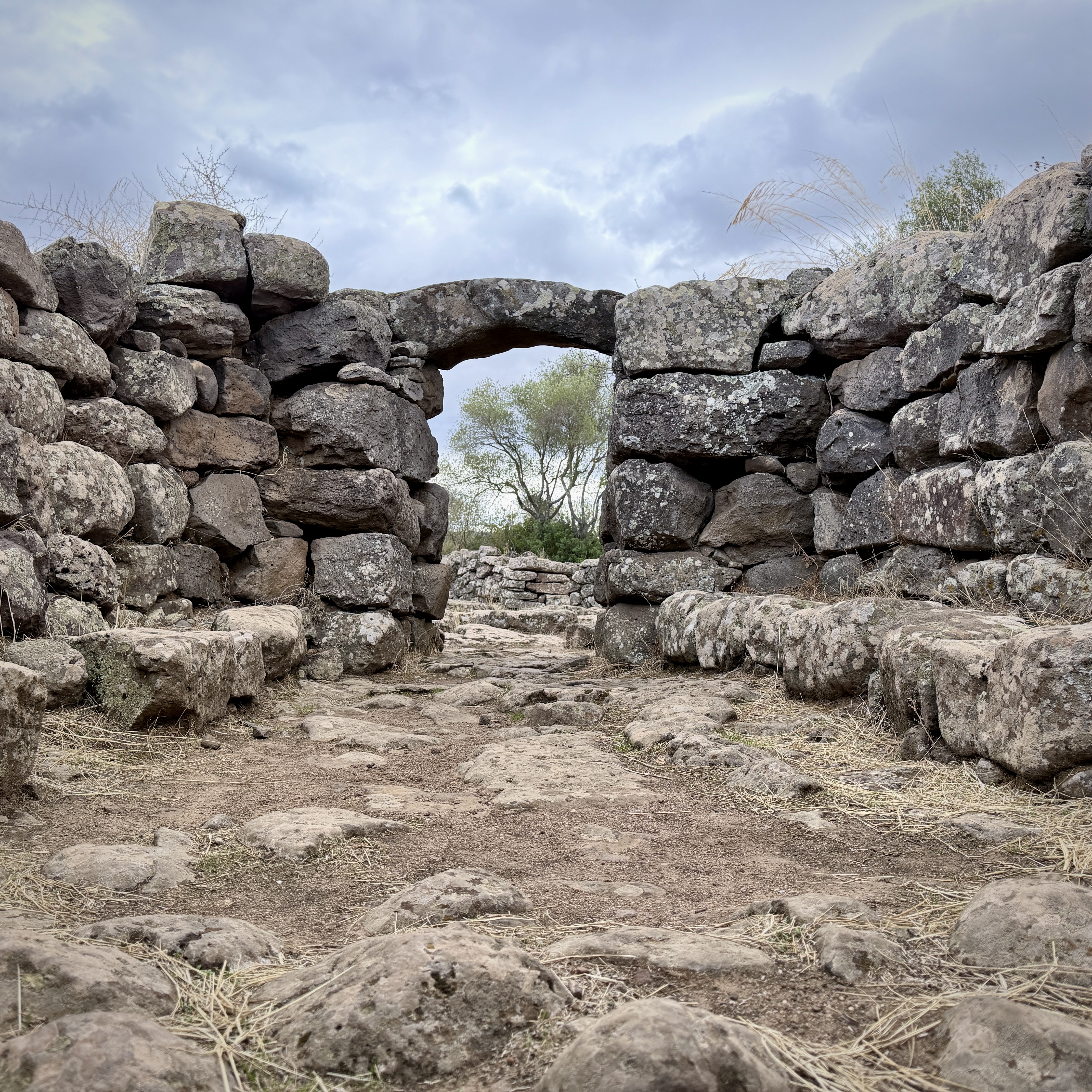
There are no nuraghe at Serra Orrios. Rather, the site consists of the stone bases for their dwellings as well as a couple of rectangular buildings, “Megarons”, believed to have a religious purpose. The stone part of the buildings is all that remains, but they would have been enclosed with wood and mud to create the living space.
The stone wall enclosing one of the Megarons has a distinctive protrusion, believed to represent animal horns. It’s hard to rationalize, but I find these remnants of ancient civilizations to be fascinating, and quite moving to imagine how they lived many thousands of years ago.
There is also a Nuragic burial site not far away, known as Tomba dei Giganti di S’ena’e Thomes2. We went there too, but it’s a bit of a nothing burger, interesting because of its age, but not much to see.
Bosa
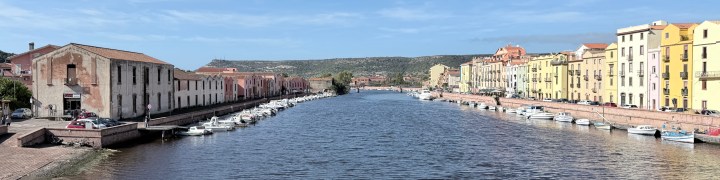
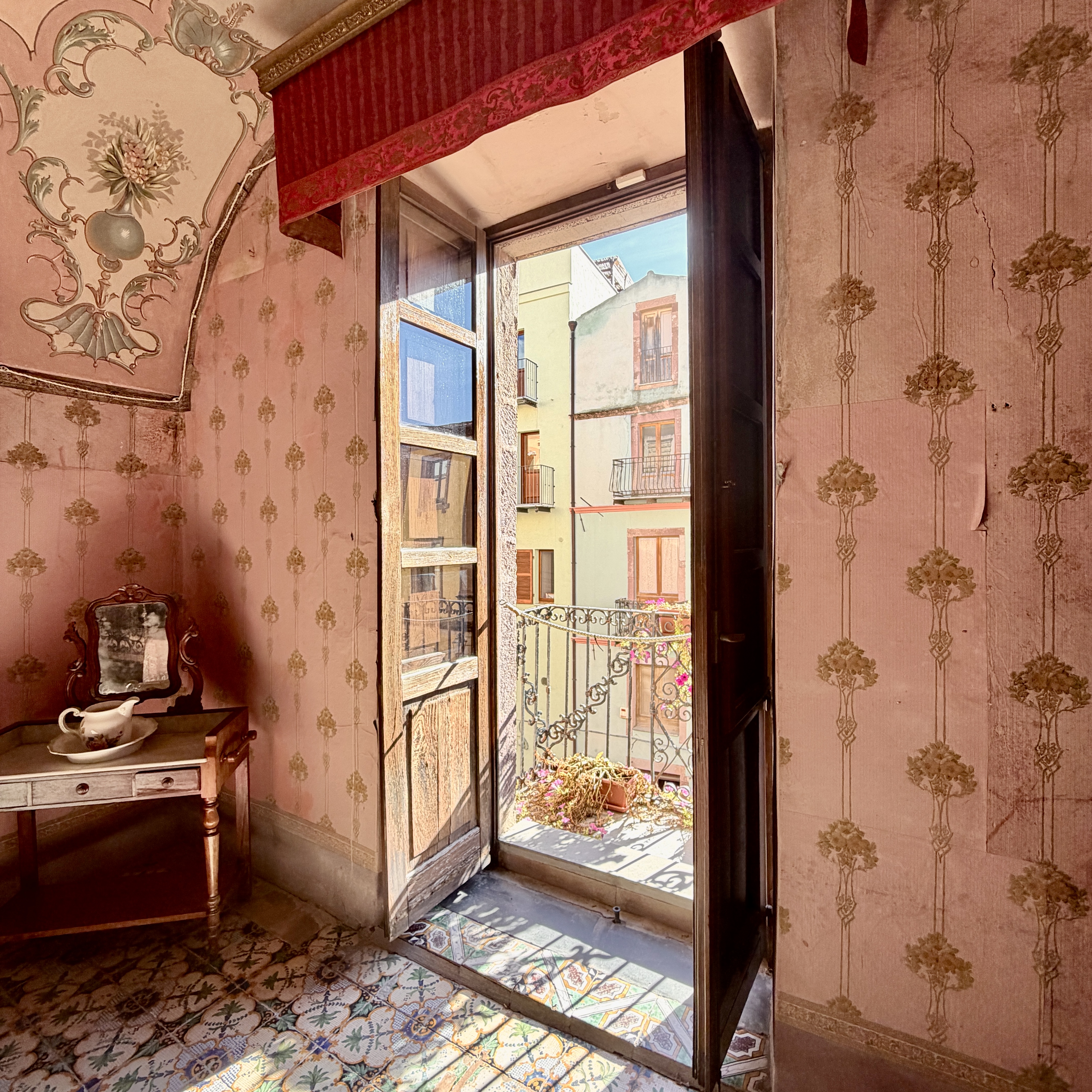
Located on Sardinia’s west coast, the colourful houses of Bosa line the northern bank of the Temo River close to where it empties into the Mediterranean. It is one of I Borghi più belli d’Italia, or the “most beautiful towns in Italy”, a designation for places that are of strong historical and artistic interest but which risk neglect and abandonment because they lie outside the main tourist circuits3. There are now well over 300 towns on the list, which kind of dilutes the prestige. Still, pretty town, and if you were to come here in the summer, I’m guessing it would be pretty busy. Our stay at the end of October coincided with the last days before most restaurants and some hotels closed for the season. So it was perfect for us.
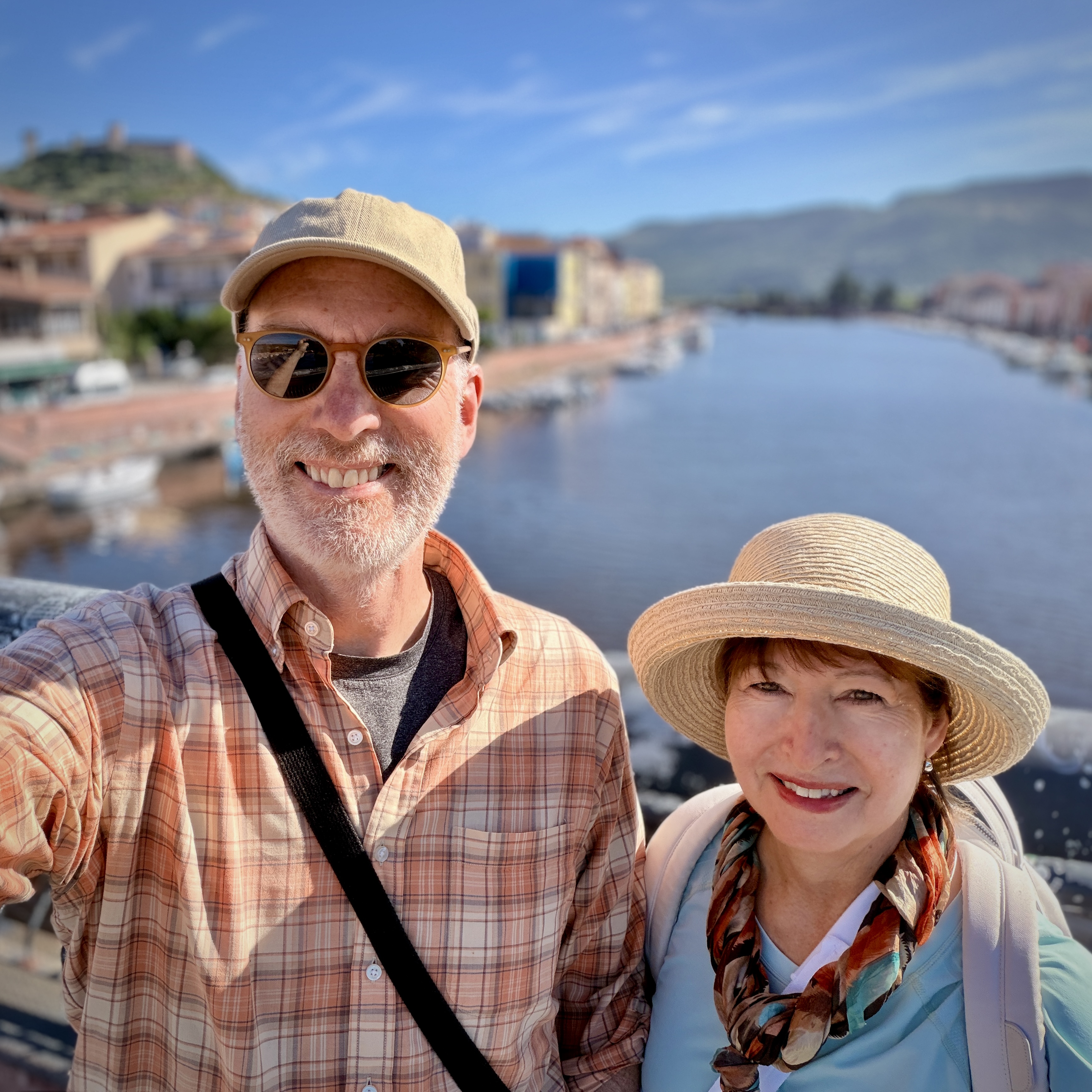
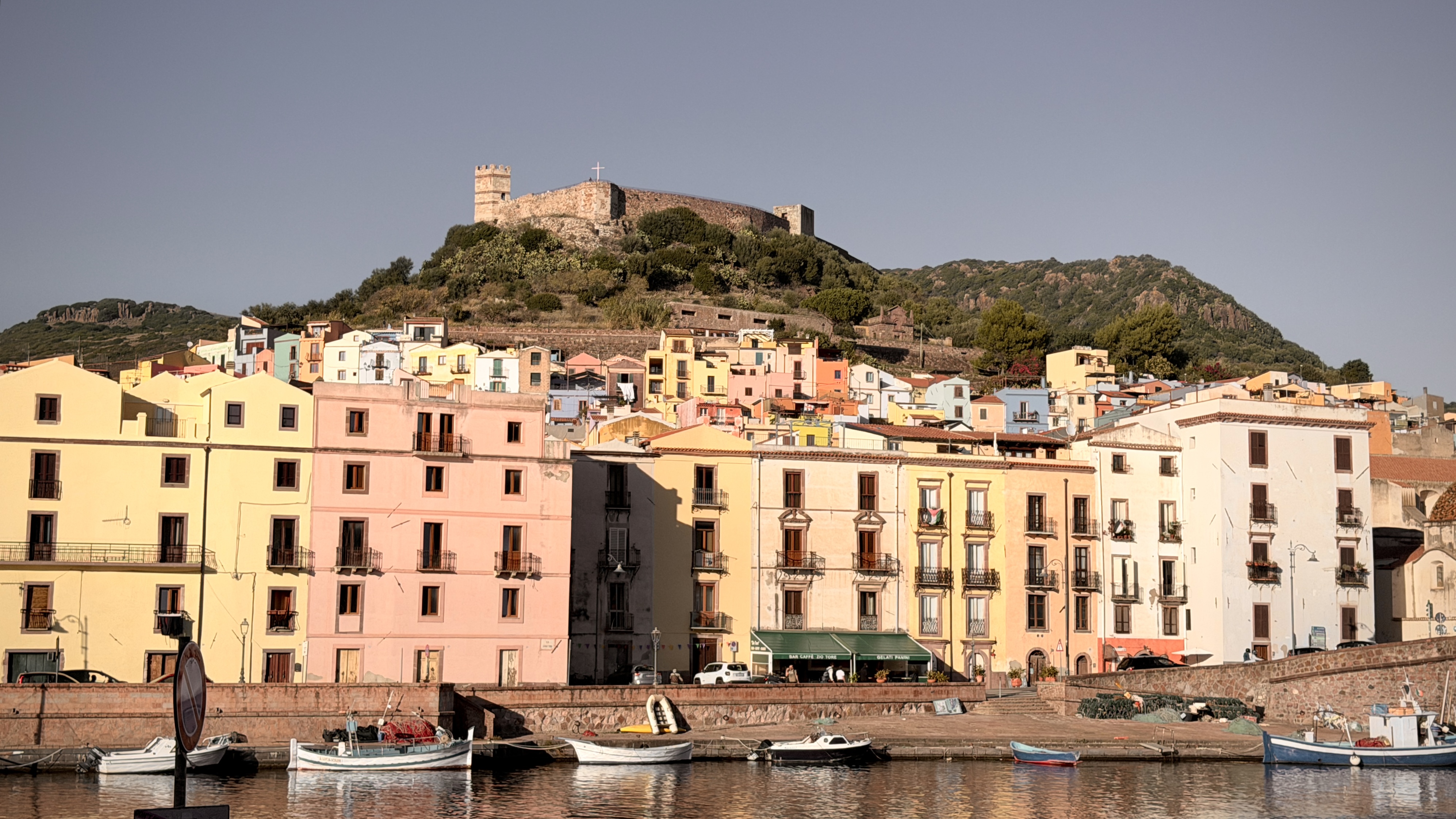
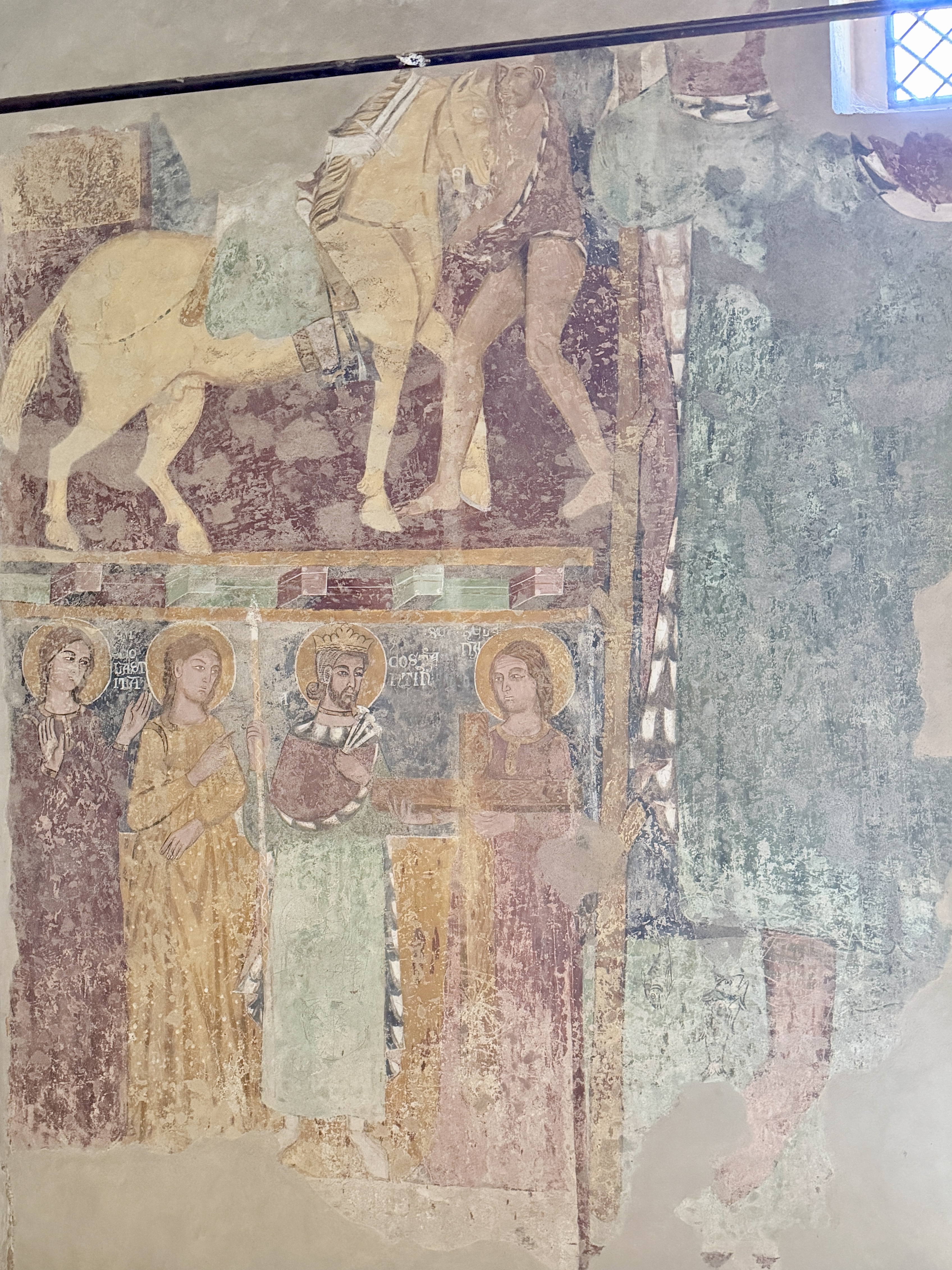
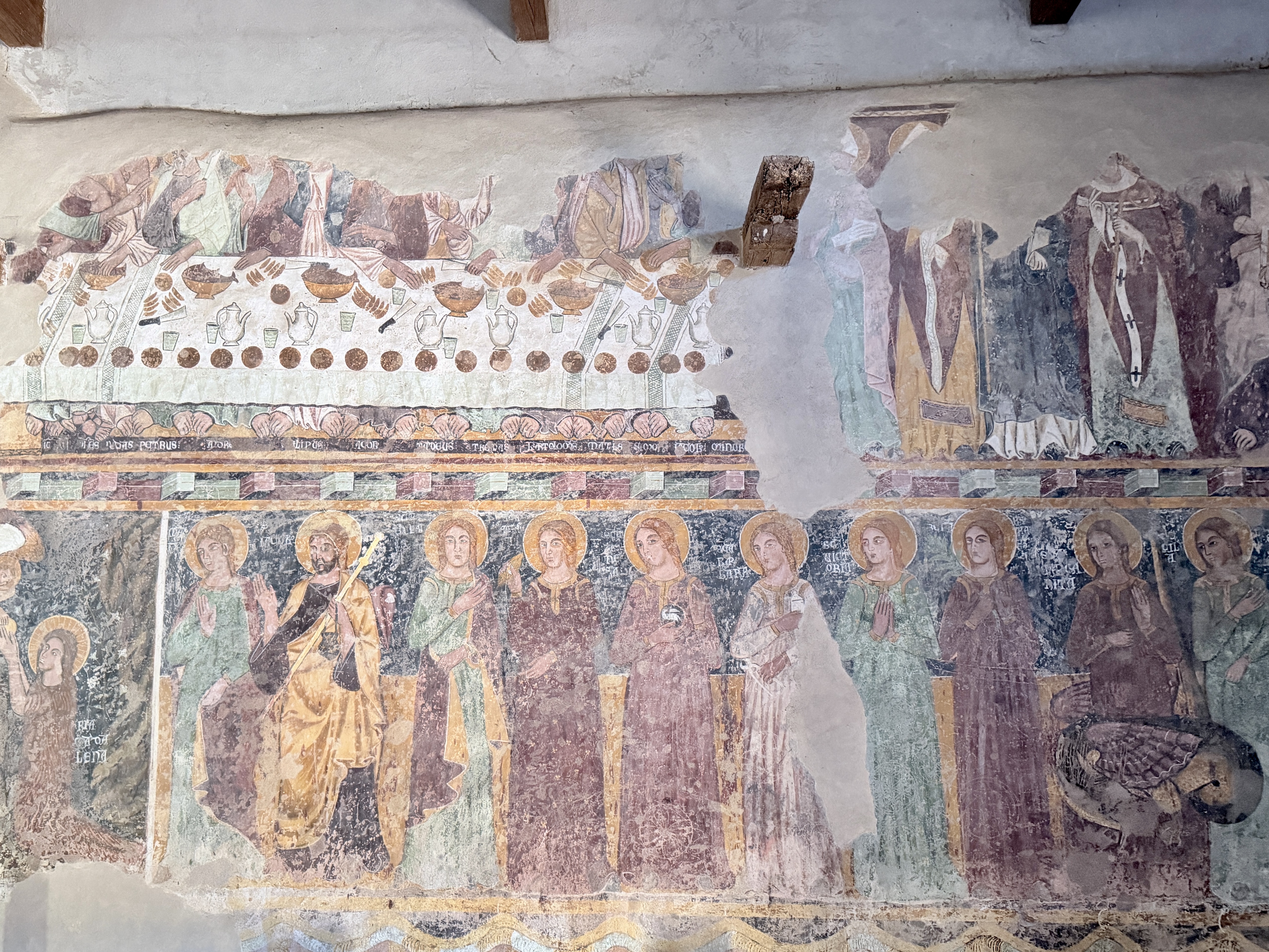
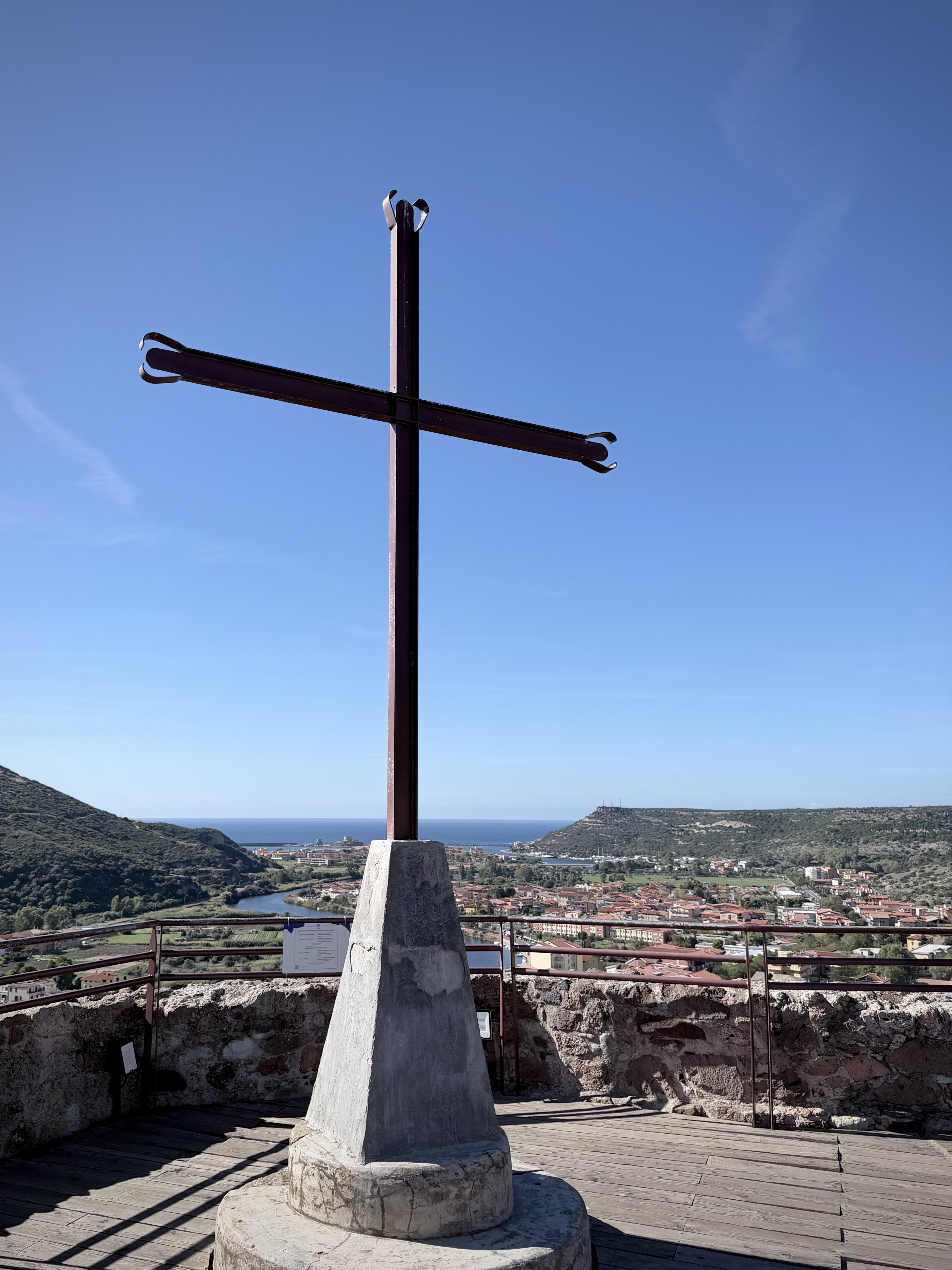
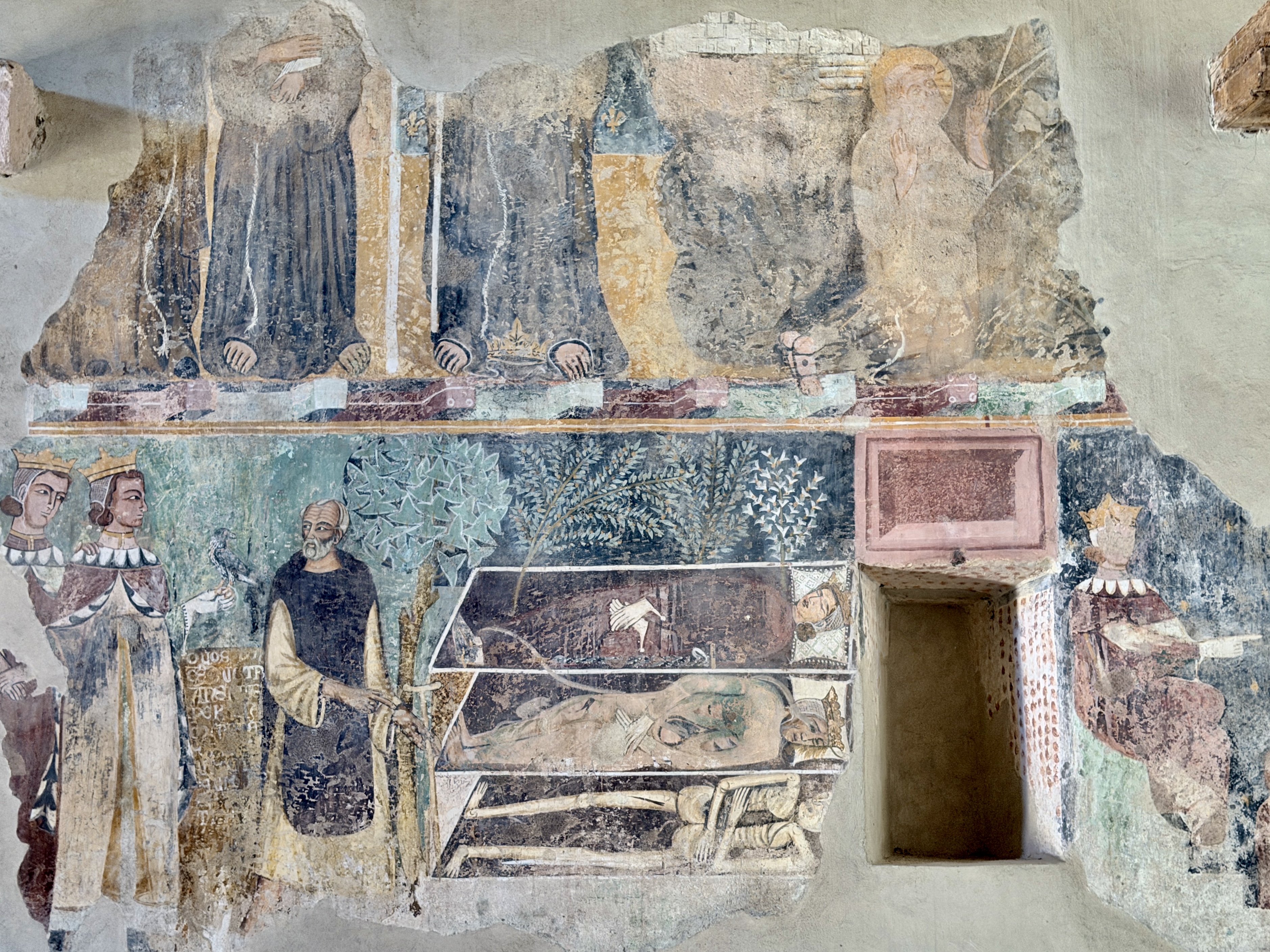
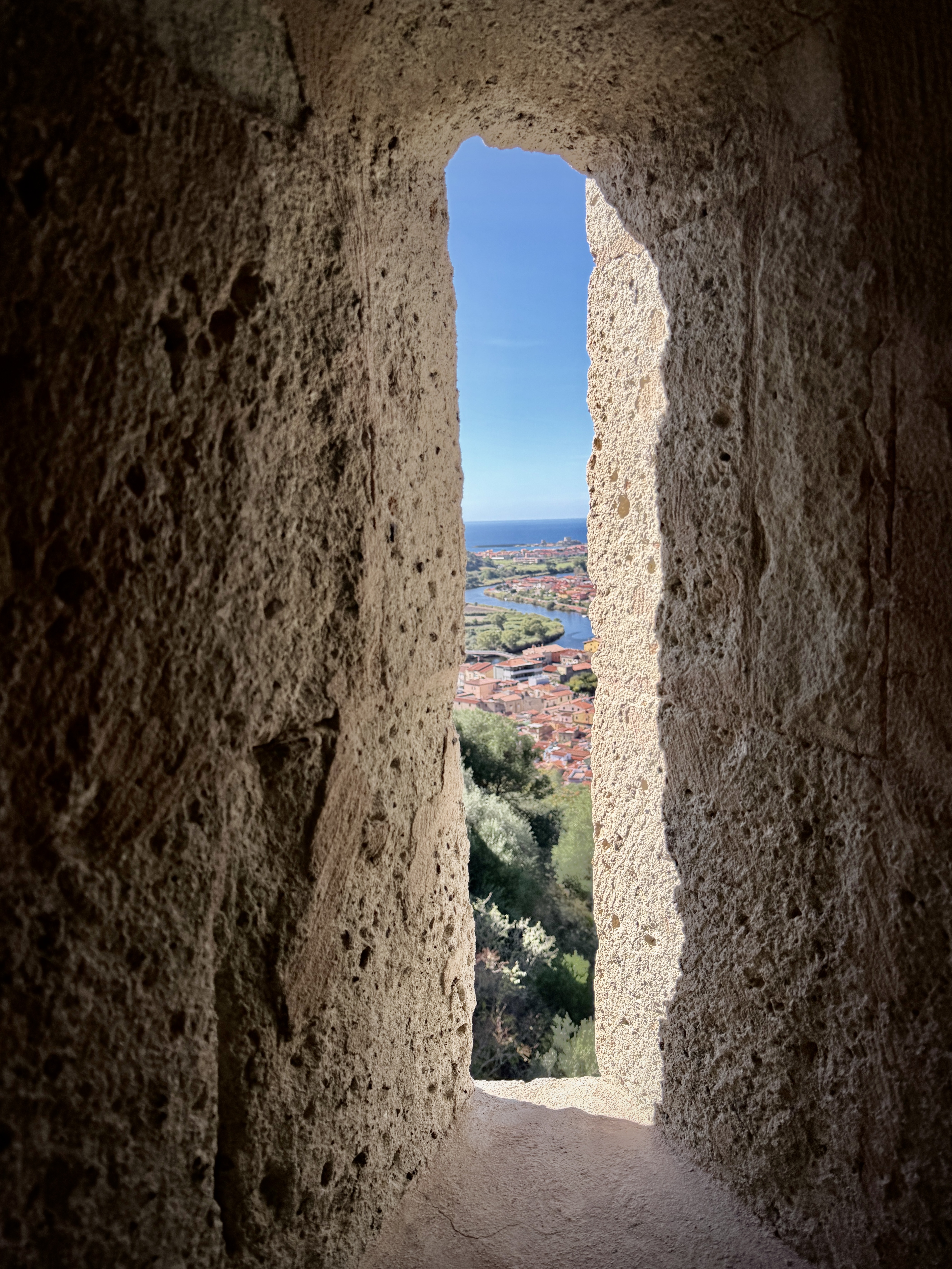
The town of Bosa is dominated by the Castle of Serravalle or Malaspina Castle. There’s not much left, other than the fortifications, but these provide terrific views of the town and the river valley. Within the walls, there is a small church, Chiesa di Nostra Signora de sos Regnos Altos, which contains some quite lovely frescoes dating from between 1350 and 1370.
Su Nuraxi
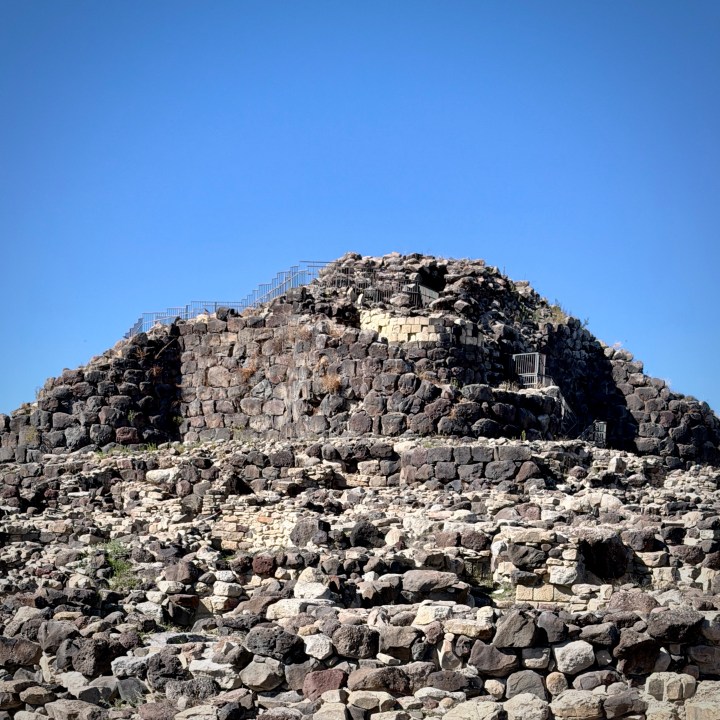
Our route out of Bosa took us to the UNESCO-listed Su Nuraxi site, where we toured one of the surviving nuraghe4. It’s not the Great Pyramid of Giza, but I still found it worth a visit.
Surprisingly, it’s easy to find on Google maps, but there are few physical signs either en route, or at the site itself. You pull into a parking lot, and there are lots of signs for the restaurant and bathrooms across the road, but only a very small arrow pointing to the ticket office. It took us quite a while to conclude that we had arrived in the right place.
Cagliari
Our final stop was Cagliari, the largest city in Sardinia with ~150k residents (3 times that if you include outlying areas). It is also a cruise terminal, and although it was very late in the season there were two ships docked while we were there. That is, perhaps, its most negative feature. Mostly, it’s a really interesting place, with a long and complex history involving Phoenicians, Romans, Carthaginians, Byzantines, Ostrogoths, Aragonese, Habsburgs, Savoyards, and undoubtedly others.
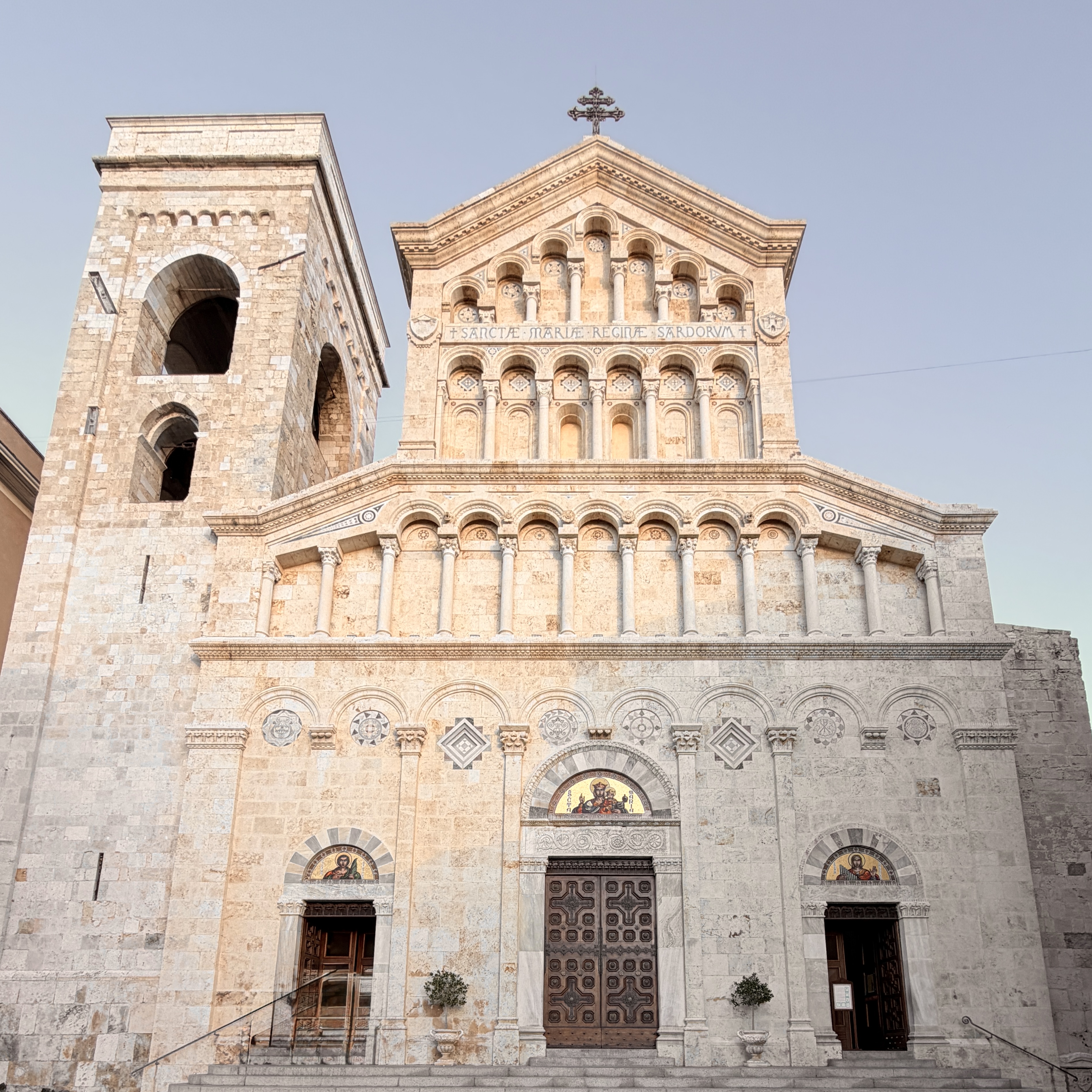
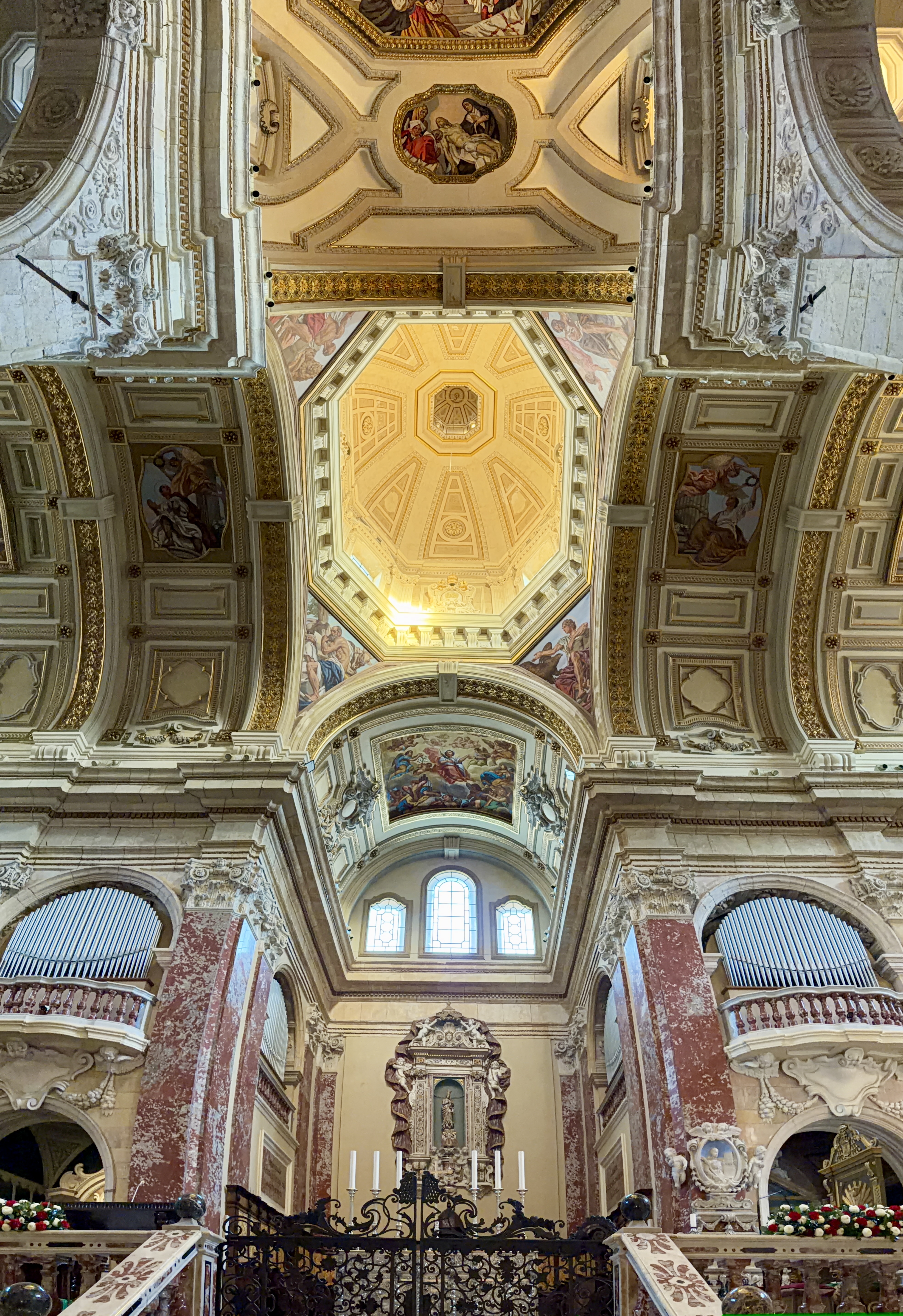
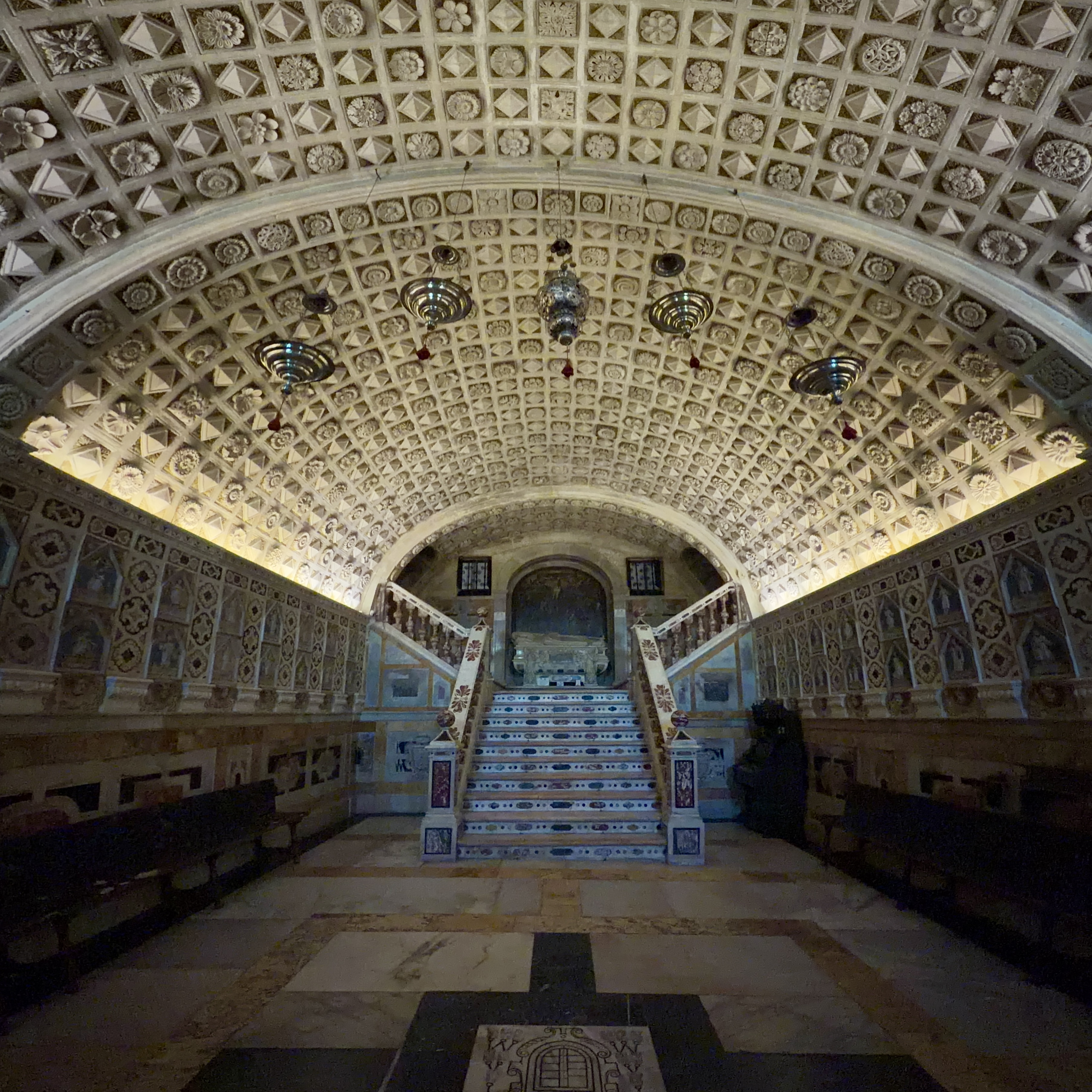
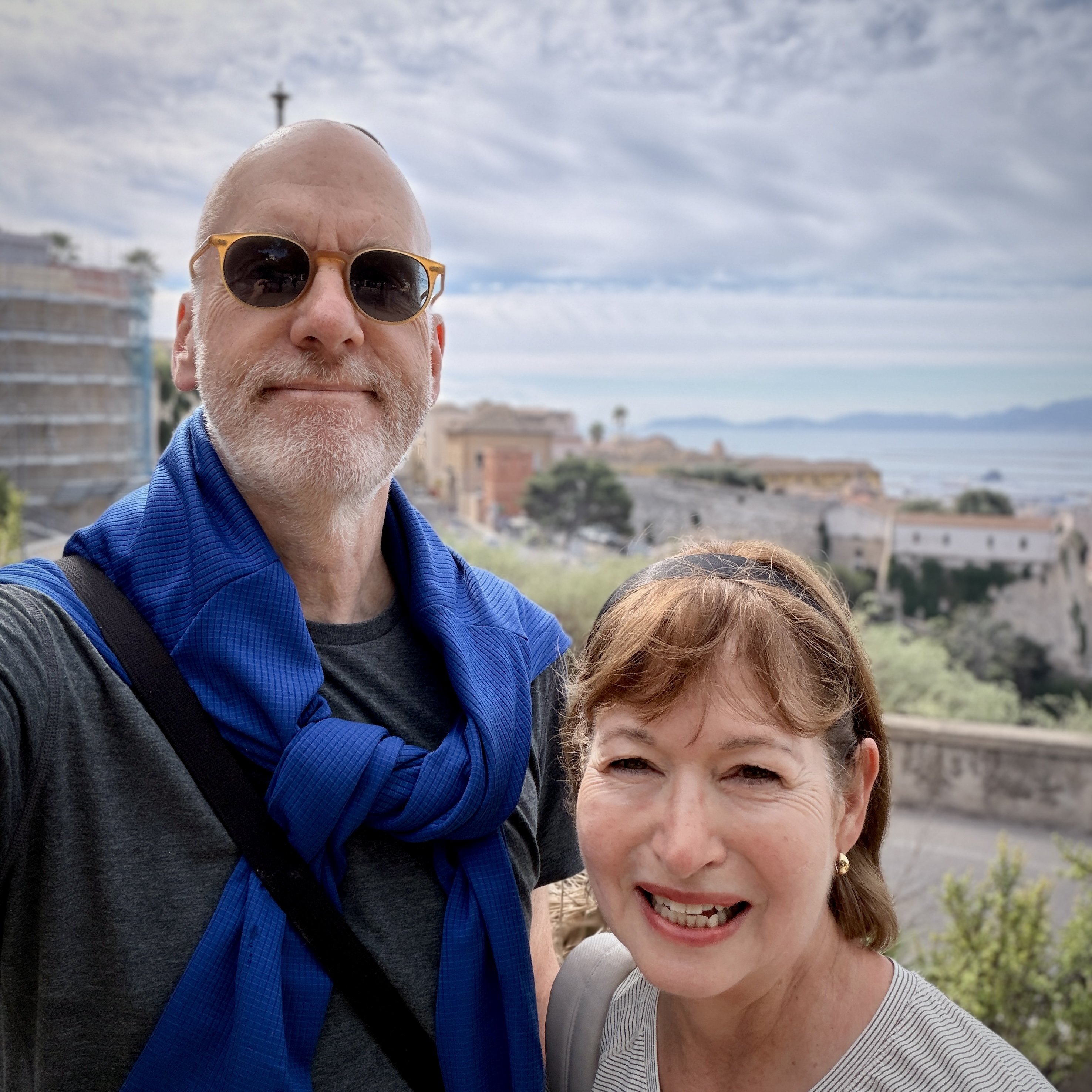
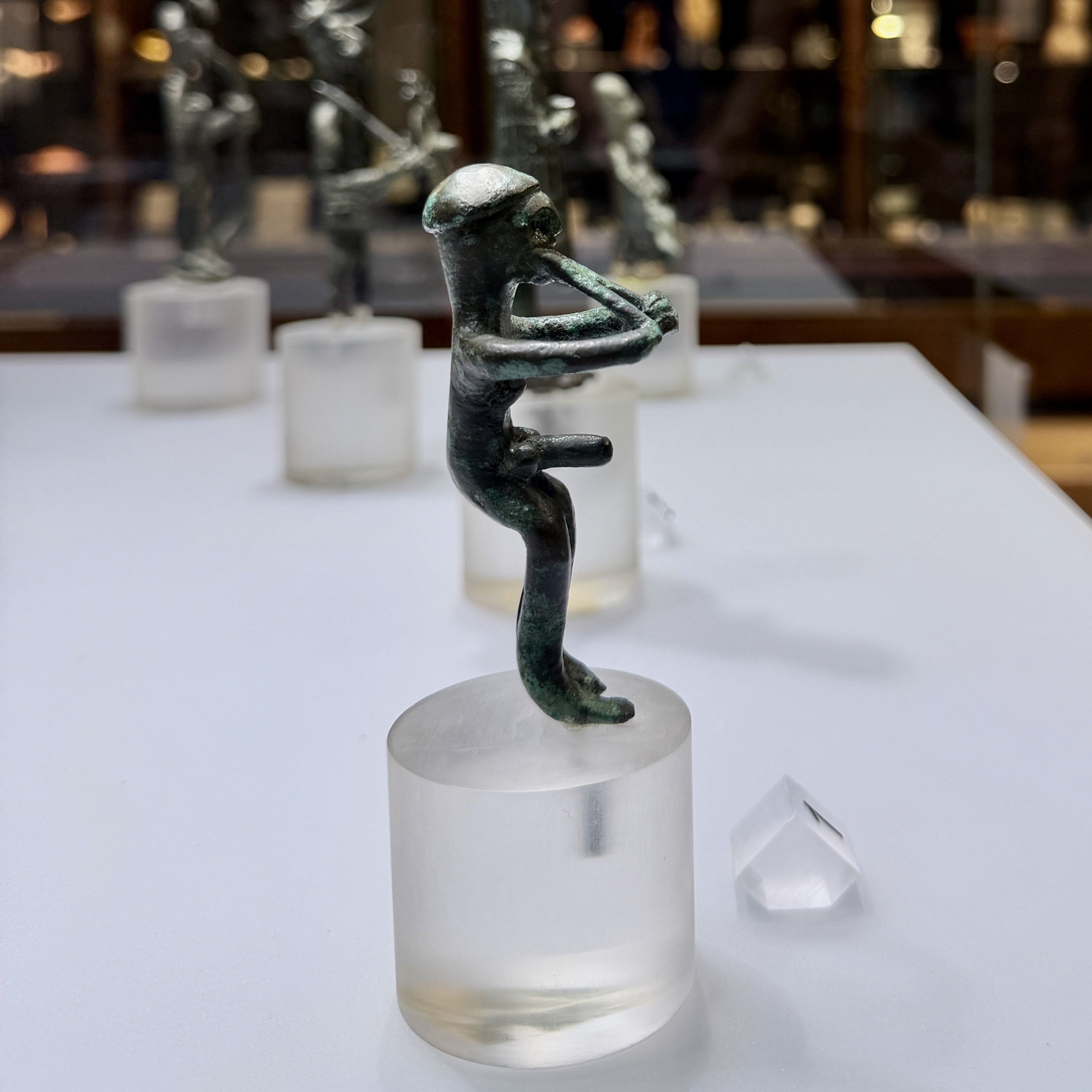
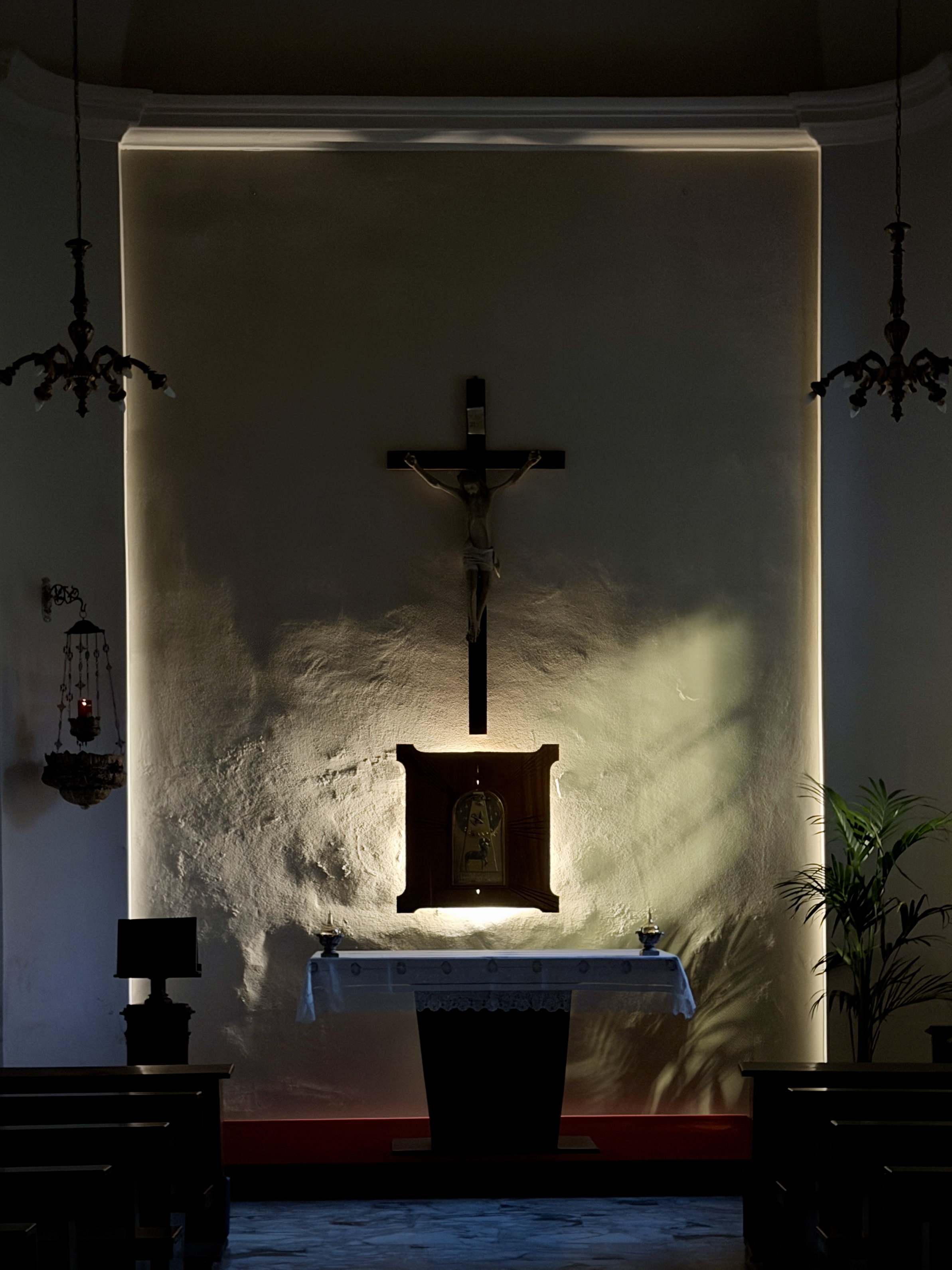
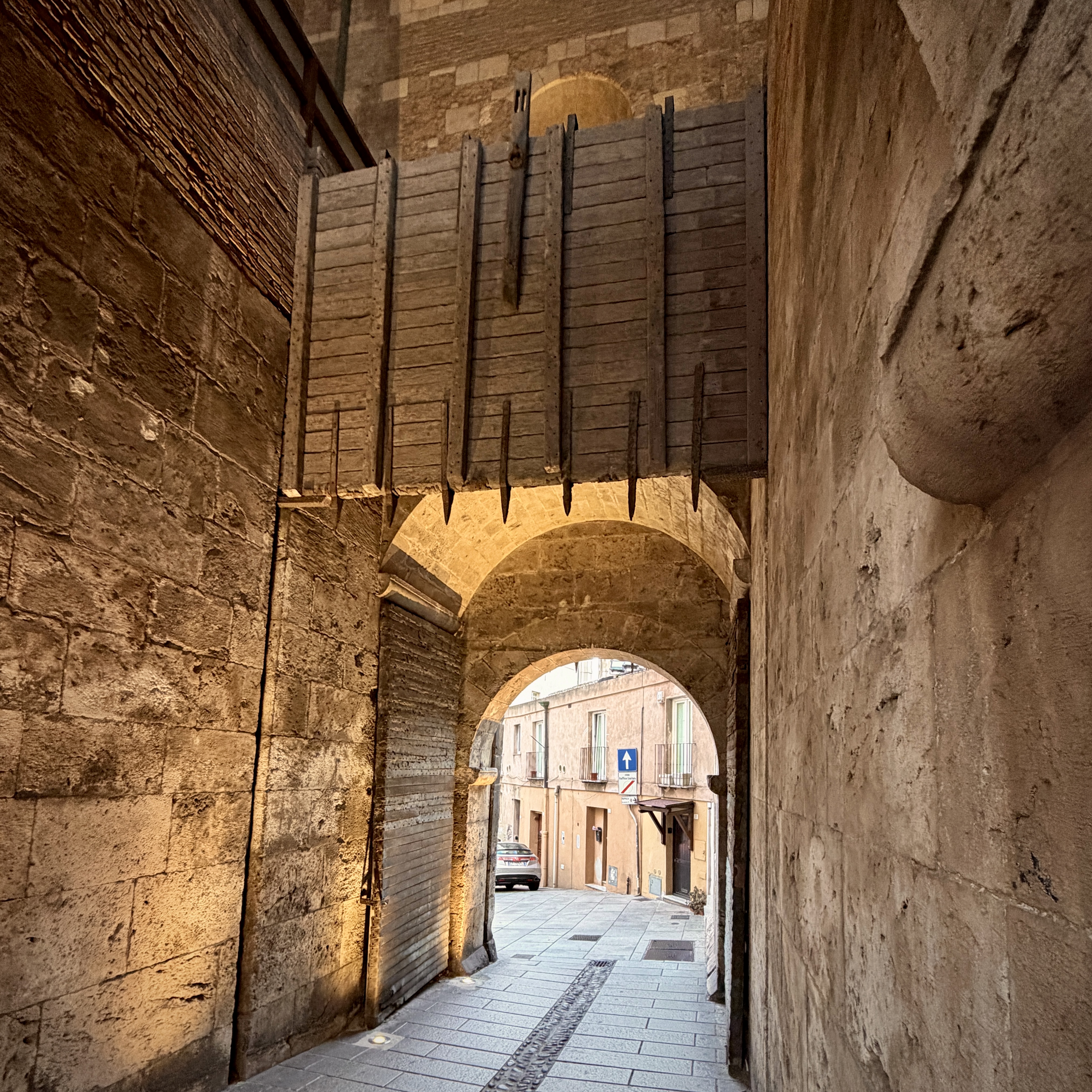
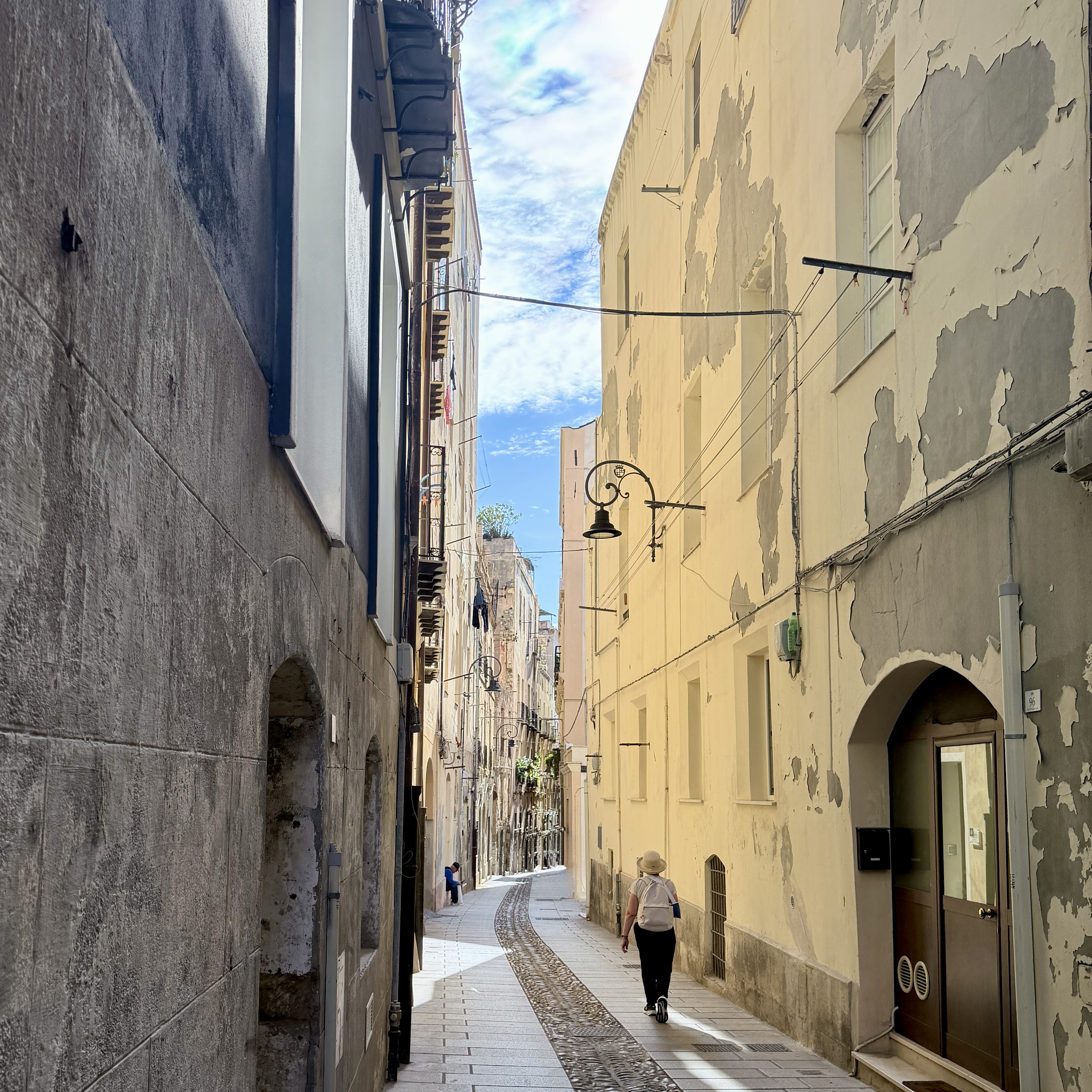
We dropped off our rental car, and spent an enjoyable couple of days exploring the old town, as well as the Pinacoteca Nazionale di Cagliari and the Museo Archeologico Nazionale di Cagliari (even though large sections of the latter were closed off, for no apparent reason).
Then we got on a big silver bird and headed to the next segment of the journey: Normandy.
- This, obviously, is my personal opinion. I’m no scholar of antiquity, but I found this telling of the story to be confused, and needlessly LOUD. There is another possible Sardinian connection to Homer though: Victor Bérard, a French diplomat, politician and Hellenic scholar believed that Odysseus’s encounter with the giant, man-eating Laestrygones, who decimate his fleet, was supposed to have taken place on the northern shores of Sardinia. ↩︎
- For the English speakers, that’s “Valley of the Tombs” ↩︎
- https://en.wikipedia.org/wiki/I_Borghi_più_belli_d’Italia ↩︎
- It’s hard to visualize, from the pile of rocks pictured above, what a nuraghe might have originally looked like. Here is one idea:
 ↩︎
